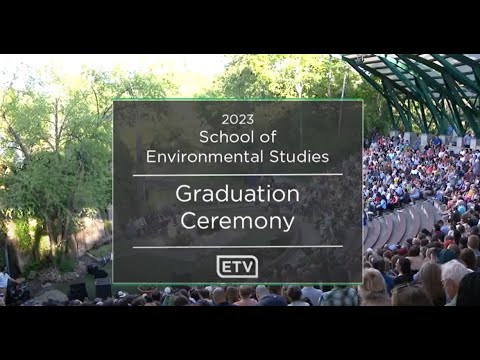
The School of Environmental Studies is an optional two-year high school in Apple Valley, Minnesota, United States.
School Of Environmental Studies serves 393 students in grades 11-12.
The percentage of students achieving proficiency in math is 40-44% (which is lower than the Minnesota state average of 46%).
The student-teacher ratio of 19:1 is higher than the Minnesota state level of 13:1.
Minority enrollment is 29% of the student body (majority Hispanic), which is lower than the Minnesota state average of 39% (majority Black and Hispanic).
Quick Facts (2026)
- Grades: 11-12
- Enrollment: 393 students
- Student-Teacher Ratio: 19:1
- Minority Enrollment: 29%
- Graduation Rate: ≥95% (Top 5% in MN)
- Math Proficiency: 40-44% (Btm 50%)
- Source: National Center for Education Statistics (NCES), MN Dept. of Education
Top Rankings
School Of Environmental Studies ranks among the top 20% of public schools in Minnesota for:
Category
Attribute
Graduation Rate
School Overview
School Of Environmental Studies's student population of 393 students has grown by 15% over five school years.
The teacher population of 21 teachers has grown by 16% over five school years.
Grades Offered
Grades 11-12
(No virtual instruction)
(No virtual instruction)
Total Students
393 students
Gender %
Total Classroom Teachers
21 teachers
Year Founded
1995
Colors
Green and Blue
School Rankings
The diversity score of School Of Environmental Studies is 0.47, which is less than the diversity score at state average of 0.59. The school's diversity has stayed relatively flat over five school years.
Math Test Scores (% Proficient)
40-44%
46%
Student-Teacher Ratio
19:1
13:1
American Indian
n/a
2%
Asian
1%
7%
Hispanic
12%
12%
Black
6%
12%
White
71%
61%
Hawaiian
n/a
n/a
Two or more races
10%
6%
All Ethnic Groups
Graduation Rate
≥95%
84%
Eligible for Free Lunch
20%
36%
Eligible for Reduced Lunch
5%
7%
School Statewide Testing
School District Name
Source: National Center for Education Statistics (NCES), MN Dept. of Education
School Notes
- School Mascot: Dolphin
Frequently Asked Questions
What schools are School Of Environmental Studies often compared to?
School Of Environmental Studiesis often viewed alongside schools like Eagan Senior High School by visitors of our site.
What is the graduation rate of School Of Environmental Studies?
The graduation rate of School Of Environmental Studies is 95%, which is higher than the Minnesota state average of 84%.
How many students attend School Of Environmental Studies?
393 students attend School Of Environmental Studies.
What is the racial composition of the student body?
71% of School Of Environmental Studies students are White, 12% of students are Hispanic, 10% of students are Two or more races, 6% of students are Black, and 1% of students are Asian.
What is the student-teacher ratio of School Of Environmental Studies?
School Of Environmental Studies has a student ration of 19:1, which is higher than the Minnesota state average of 13:1.
What grades does School Of Environmental Studies offer ?
School Of Environmental Studies offers enrollment in grades 11-12 (No virtual instruction).
What school district is School Of Environmental Studies part of?
School Of Environmental Studies is part of Rosemount-Apple Valley-Eagan School District.
School Reviews
5 10/10/2025
Outstanding school. Our daughter enrolled this year and she/we love it. Don't be fooled by the name - Yes, the curriculum weaves in serious environmental themes - but there is a heavy emphasis on academic excellence and college readiness. Consistently performs in the top 1 or 2 in the district, but school data is skewed since the students are counted in their local high school. Look into it if you want a challenging school that will get your child enthused about learning again. Can't recommend it enough!
Review School Of Environmental Studies. Reviews should be a few sentences in length. Please include any comments on:
- Quality of academic programs, teachers, and facilities
- Availability of music, art, sports and other extracurricular activities
Recent Articles
Understanding School Safety Policies in 2026
Learn how school safety policies are evolving in 2026, including mental health support, AI monitoring, emergency planning, and parent rights.

How to Support Your Child’s Mental Health at School
Practical guidance for parents and educators on supporting child mental health during the school year, with expert strategies and 2026 insights.

What a National Blue Ribbon of Distinction Means in 2026
Understand what a National Blue Ribbon of Distinction means, how schools earn it, and why it matters for academic quality in 2026.