About Public Schools

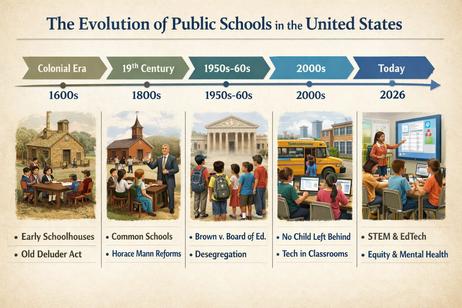
Here we cover the history of public schools, explain the various types and discuss their pros/cons. Learn more about technology on campus, health and nutrition issues, and the latest information related to a variety of student populations.

View the most popular articles in About Public Schools:

The Impact of Coronavirus on Public Schools

Updated
|
The Impact of Coronavirus on Public Schools
This article discusses the widespread impact of COVID-19 on public schools, addressing issues such as school closures, remote learning challenges, effects on standardized testing, and concerns about student progress. It also provides tips for parents suddenly faced with homeschooling responsibilities.

The Impact of Coronavirus on Public Schools

During the initial weeks of the coronavirus disease 19 (COVID-19) pandemic, authorities and lawmakers found themselves faced with some difficult decisions. When the threat to domestic health and public safety became apparent, so did the necessity of encouraging and enforcing social distancing rules.

As more school districts send their students home, parents are left wondering not only what to do with their children during the break but how the break will affect progress.

Information about COVID-19 continues to develop while state and local legislators do their best to follow CDC and federal recommendations. The health and safety of the American public always comes first, but recent events question the long-term effects of the measures taken to ensure public safety. Read on to learn more about the impact of COVID-19 school closures now and into next year.

School Closures for COVID-19

As the severity of the COVID-19 pandemic became clear, local and national government officials began to question whether social distancing recommendations were enough. In the last week, school districts nationwide have announced temporary closures. The United States isn’t alone in these actions. According to the United Nations Educational, Scientific and Cultural Organization (UNESCO), governments in 113 countries have closed educational institutions. Over 100 countries have implemented nationwide closures, impacting nearly 850 million children and youth.

How Will It Affect Testing and Progress?

Since the No Child Left Behind Act was implemented by the Bush administration in 2001,

. . .read more

What Are Alternative Schools and How Do They Impact College Admissions?

Updated
|
What Are Alternative Schools and How Do They Impact College Admissions?
All students deserve to have an equal chance at academic success but not every student learns in the same way. Alternative schools provide students with unique challenges or abilities an opportunity to succeed in a different educational setting. Keep reading to learn more about alternative schools and their impact on college admissions.

The American public-school system is always a hot topic for debate. While there are two sides to every issue, there is one point that cannot be debated – some public schools are better than others.

Public schools in wealthy and suburban areas tend to perform much higher in testing than urban schools and there is a significant difference in funding as well. Parents can’t always choose their school district, but if the public schools in an area are sub-par, there are other options to consider. Alternative schools like boarding schools, magnet schools, and even homeschools may provide better educational opportunities for students, but there are some challenges to consider as well.

When it comes to college applications, alternative school curriculums and transcripts are less straightforward for admissions officers to understand. In this article, we’ll explore the subject of alternative schools and their impact on the college admissions process for graduating seniors.

What is an Alternative School?

Every student is unique in terms of educational background, learning ability, and interest in school. Two students from the same class, when given the same test, can achieve very different scores because academic achievement is determined by more than just curriculum. A child’s performance is school is affected by in-school factors such as the teacher’s education level, availability of resources, and curriculum. But it is also affected by other factors such as the student’s socioeconomic status, home life, and personal or learning challenges.

An alternative school is a school that doesn’t

. . .read more

Your Guide to Understanding the Charter School Debate

Updated
|
Your Guide to Understanding the Charter School Debate
Changes instigated by the Trump Administration have been met with a great deal of controversy but one of the biggest debates within the education sector is in regard to integration and charter schools. Keep reading to learn more about the charter school debate and what you should know as a parent.

When it comes to schools in the United States, the biggest differences lie in the gap between public and private school. What many people do not realize, however, is that there are many different subcategories for each.

For example, a charter school is an independently run public school that has greater flexibility than a traditional public school. Charter schools still need to meet state standards, but a significant portion of their curriculum and operation is influenced by the school’s “charter” – a performance contract that details the school’s mission, as well as the students served, specific performance goals, and its methods of assessment. As modern reform continues to shake the foundation of the United States education system, a debate about charter schools has risen to the forefront.

In theory, charter schools exist to provide underprivileged students with access to better education. The primary question, however, is whether charter schools inadvertently support segregation. Keep reading to learn more about charter schools and how they are changing the face of the U.S. education system.

Understanding the Basics Of Charter Schools

According to the National Alliance for Public Charter Schools (NAPCS), there are roughly 6,900 charter schools in the United States. Though they are technically public schools and therefore open to a wide range of students tuition-free, charter schools work differently than traditional public schools. A charter school operates under an independent contract (known as a “charter”) in front of an authority such as a government agency,

. . .read more

What are the Benefits of Public School Over Homeschooling?

Updated
|
What are the Benefits of Public School Over Homeschooling?
Choosing the right school for your child can be difficult, but homeschooling may not be the better option. Keep reading to learn more.

When it comes to your child’s education, you want to know that you are making the right choice. But each child is unique when it comes to learning, and the option that might be right for another child might not be the best choice for yours. Many parents who are concerned about the quality of their child’s education make the choice to homeschool their kids. If you are thinking about homeschooling as an option, take the time to learn about the benefits of public school over homeschooling – they might just change your mind and your attitude about public school.

This video discusses the pros and cons of homeschooling vs schooling in public school.

What is Homeschooling?

In the simplest of terms, homeschooling is simply schooling your children at home. Homeschooling has become quite the progressive movement in recent years with more and more parents choosing to homeschool instead of sending their children to public school. There are a number of reasons why a parent might choose to homeschool their child – here are a few:

  • The family might have different religious beliefs than those taught (or not taught) in public school. Homeschooling allows you to choose whether to incorporate religion or not.
  • Homeschooling might offer more specialized educational attention for special needs children.
  • Parents may have different educational philosophies than public school administrators and teachers. With homeschooling, you choose what philosophies to follow.
  • Children may progress faster
. . .read more

Should Your Child Go to College Right After High School?

Updated
|
Should Your Child Go to College Right After High School?
For some students, attending college immediately after high school is not the right choice. Keep reading to learn more about the pros and cons of this decision and to learn about some alternative options.

For many high school seniors, going to college after graduation is a given. But going to college immediately after high school is not the right choice for everyone. Keep reading to learn more about the pros and cons of attending college right after high school and to learn about some alternative options that may be available to you.


Reasons to Go to College After High School

While transitioning to college immediately after high school may not be the right choice for everyone, there indeed are some significant benefits you need to consider. Here are some things you should think about when deciding whether to take a year off before college:

  • Some studies have shown that many students who wait instead of going to college immediately after high school never go. If you take a job right after high school, you may put it off year after year, which could hurt you in the long run.
  • According to a Huffington Post report, those who choose not to go to college make as much as $800,000 less than college graduates over their lifetime. Even if you only take a year off, you could be cutting into your lifetime salary.
  • If you do not go to college right after high school, you could miss out on some life-changing experiences that can shape who you are and what you believe in. The habits and opinions you form as a young adult will stay with you for the rest of your life – you could
. . .read more

Recent Articles

Zero Tolerance Policies in Public Schools Today
An updated look at zero tolerance policies in public schools, including current trends, costs, legal concerns, and what parents need to know now.
The Pros and Cons of Tracking in Schools Today
Explore the advantages and drawbacks of academic tracking in today’s public schools, including equity, outcomes, and what parents should consider.
Budgeting Hidden Costs of Public Schooling in 2026
Learn how families budget for school lunch, after-school care, and activities, the hidden costs of public schooling in 2026.

About Public Schools

OVERVIEW OF PUBLIC SCHOOLS
A comprehensive look at the U.S. public school system, including history, governing bodies, funding, and services. Compare private, public and charter schools. Learn more about Magnet school programs and get tips on choosing the right school for your child.
TYPES OF PUBLIC SCHOOLS
Explore the different types of public schools, from charter to language immersion, and learn about the unique pros and cons of each type. Is a co-ed or single sex classroom best for your child? Charter school or magnet? Read expert advice and get valuable tips on the various public education programs available and how to choose what works best for your family.
TECHNOLOGY ON CAMPUS
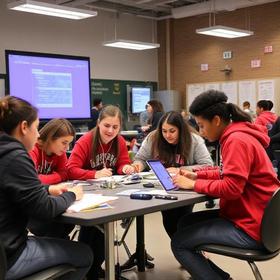
From eBooks to web cams, technology on campus continues to grow. Learn how the latest technology impacts your child’s education. Get tips on the best ways to integrate technology into education and stay abreast of the latest developments and challenges facing schools.
HEALTH AND NUTRITION AT SCHOOL
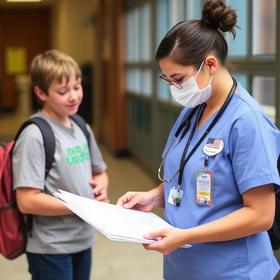
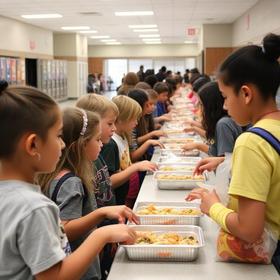
From vending machines to Jamie Oliver, bed bugs to tuberculosis, we provide an in-depth look at health and wellness in public schools. Help your kids stay healthy on campus and learn about current health epidemics, vaccination requirements, physical fitness programs and the latest food initiatives.
BACK TO SCHOOL
Learn more about preparing your child and wallet for a new school year. Inside you’ll find valuable advice to help your family prepare for the transition from swimsuits to school. While there is no tuition, public school education does not come without costs. Learn more about budgeting for a new school year and get great money saving tips.
STUDENT POPULATIONS
The latest trends, laws and resources for a variety of student populations. Every child has different needs, and this section offers helpful information for LGBT, special education, gifted, low-income, and minority students.