Teaching

This category covers topics such as classroom technology, classroom management, teacher training and more.

View the most popular articles in Teaching:

Who Supervises Students When Their Teacher Is Out?

Updated
|
Who Supervises Students When Their Teacher Is Out?
Discover who supervises students when regular teachers are absent, how schools arrange classroom coverage, what qualifications substitutes need, and which questions parents should ask about safety and learning continuity.

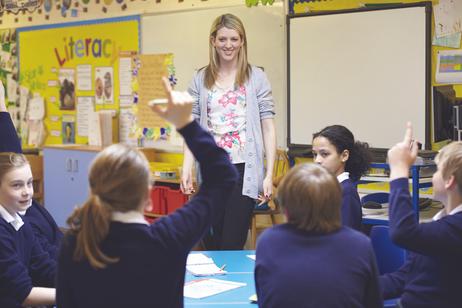
When a child comes home from school and mentions that their regular teacher was absent, parents may assume a substitute teacher took over the classroom. However, that is not always what happens. Depending on staffing availability, the school may assign another teacher, a teaching assistant, an administrator, or a substitute educator to supervise students.

For families, the important question is not simply who stands in front of the classroom. It is whether that person is appropriately qualified, understands the school's expectations, and can maintain a safe and productive learning environment.

In 2026, public schools continue managing staffing pressures that can complicate daily classroom coverage. Understanding who supervises students when their regular teacher is out can help parents evaluate whether a school has dependable procedures for maintaining supervision, instruction, and student support.

Who Is Responsible for Students When a Teacher Is Absent?

When a teacher reports an absence, school administrators generally become responsible for arranging appropriate classroom coverage. Many districts use automated substitute management systems to identify available educators, while others maintain lists of approved substitutes who can accept assignments.

Ideally, a qualified substitute teacher takes responsibility for the classroom, following lesson plans and maintaining established routines. However, schools may need alternative arrangements when no substitute is available.

In these situations, another certified teacher might supervise the class during a planning period, or an administrator may temporarily assume responsibility. Some schools also use instructional aides or paraprofessionals for certain supervisory duties, depending on state regulations and district policies.

The
. . .read more

Media Literacy as a Core Skill: How to Tell if a School Teaches It Well

Updated
|
Media Literacy as a Core Skill: How to Tell if a School Teaches It Well
Learn how to evaluate whether a public school teaches media literacy effectively, from fact-checking and source evaluation to digital citizenship and critical thinking.

Today's students consume more information in a single day than previous generations often encountered in weeks. News stories, social media posts, podcasts, videos, influencer content, and AI-generated material compete for their attention across multiple platforms. While access to information has never been greater, distinguishing credible sources from misinformation has become increasingly challenging.

As a result, media literacy is emerging as one of the most important skills schools can teach. Rather than focusing only on using technology, effective media literacy instruction teaches students how to question what they see, verify facts, recognize bias, and think critically before accepting or sharing information.

Parents evaluating public schools should look beyond whether a district provides laptops or digital learning platforms. The more important question is whether students are learning how to navigate today's complex information landscape responsibly and thoughtfully.

Schools preparing students for modern citizenship increasingly recognize that media literacy belongs alongside reading, writing, mathematics, and science as an essential life skill. Families interested in how schools are evolving to meet modern educational demands may also enjoy reading Are Public Schools Ready for the 21st Century? 2026 Update.

What Is Media Literacy?

Media literacy goes beyond understanding how to use computers or search the internet. It equips students to evaluate information regardless of where it appears.

Strong media literacy instruction teaches students how to:

  • Distinguish fact from opinion.
  • Evaluate the credibility of sources.
  • Identify bias and persuasive techniques.
  • Verify information using multiple reliable sources.
  • Recognize misinformation and disinformation.
  • Understand how algorithms influence what they see online.
  • Become
. . .read more

How Public Schools Train Staff Each Year

Updated
|
How Public Schools Train Staff Each Year
Learn how public schools train staff each year through professional development, safety training, technology instruction, and ongoing educational support.

When students return to school each fall, most families focus on new teachers, class schedules, and academic goals. Behind the scenes, however, schools spend considerable time preparing the adults who make learning possible. Before classrooms fill with students, teachers, administrators, counselors, paraprofessionals, and support staff typically participate in a wide range of training activities designed to ensure a successful school year.

Annual staff training has become increasingly important as public schools respond to changing educational standards, new technology, student wellness initiatives, and evolving safety requirements. While training programs vary by district, nearly every public school invests significant time in helping employees strengthen their skills and stay current with educational best practices.

The goal is simple: create a learning environment where students can thrive academically, socially, and emotionally.

Why Annual Training Matters

Education is constantly evolving. New instructional strategies emerge, state standards change, technology advances, and schools encounter new challenges that require updated approaches.

For this reason, professional learning is no longer viewed as an occasional event. Instead, many districts see staff development as an ongoing process that supports continuous improvement.

According to the U.S. Department of Education, effective professional development helps educators strengthen instructional practices and better meet the needs of diverse student populations. Annual training ensures that teachers and staff members remain informed about current expectations while providing opportunities to learn from colleagues and educational experts.

Just as students are expected to continue learning, educators are expected to do the same.

Preparing for the School
. . .read more

How Public Schools Support New Teachers

Updated
|
How Public Schools Support New Teachers
Learn how public schools support new teachers through mentoring, coaching, collaboration, professional development, and retention strategies.

Beginning a teaching career is both exciting and challenging. New teachers enter the classroom with subject knowledge, training, and enthusiasm, but the realities of managing a classroom, meeting student needs, communicating with families, and navigating school systems can feel overwhelming during the first few years.

As public schools continue addressing teacher shortages and retention concerns in 2026, supporting new educators has become a major priority. Schools that invest in mentoring, professional development, collaboration, and teacher wellness are often better positioned to retain talented educators and improve student outcomes.

According to the National Center for Education Statistics, teacher turnover remains a significant issue nationwide. Supporting teachers early in their careers can help districts build a stronger and more stable workforce.

Why New Teachers Need Support

The transition from teacher preparation programs to full-time classroom teaching can be difficult.

New educators must quickly learn how to:

  • Manage classroom behavior
  • Plan effective lessons
  • Differentiate instruction
  • Assess student learning
  • Communicate with parents
  • Navigate district expectations
  • Balance competing responsibilities

Even highly prepared teachers benefit from guidance and support during their first years.

Districts facing staffing challenges have increasingly recognized the importance of retention, a topic explored in Teacher Shortage Solutions That Are Working in 2026.

Mentoring Programs

One of the most effective ways public schools support new teachers is through mentoring programs.

Many districts pair beginning teachers with experienced educators who provide guidance throughout the school year. These mentors help new teachers understand school procedures, refine instructional practices, and build confidence.

Mentors often assist with:

  • Classroom management
  • Lesson planning
  • Parent
. . .read more

What a Typical Day Looks Like for a Public School Teacher

Updated
|
What a Typical Day Looks Like for a Public School Teacher
Explore a typical day in the life of a public school teacher, from lesson planning and instruction to grading, meetings, and student support.

Public school teachers play a vital role in shaping the educational experiences of millions of students each year. While students and parents often see teachers during classroom instruction, much of a teacher’s work happens before the first bell rings and long after students leave for the day.

In 2026, public school teachers continue balancing traditional classroom responsibilities with evolving technology, increased student support needs, and growing expectations from schools and communities. Understanding what a typical day looks like for a public school teacher offers valuable insight into the dedication and effort required to help students succeed academically and personally.

According to the National Center for Education Statistics, public schools enroll tens of millions of students nationwide, making teachers one of the most influential factors in daily student learning.

The Day Starts Before Students Arrive

Most public school teachers arrive at school well before students.

Depending on the district and grade level, teachers often arrive between 6:45 a.m. and 7:30 a.m. This quiet time allows them to prepare for the day ahead and address important tasks before classrooms fill with students.

Morning responsibilities typically include:

  • Reviewing lesson plans
  • Preparing instructional materials
  • Organizing classroom activities
  • Setting up technology
  • Responding to emails
  • Reviewing student data and assignments

Many teachers also use this time to collaborate with colleagues or adjust lessons based on student performance from previous days.

Staffing shortages in many districts have added new demands to teachers’ schedules, a challenge explored in Public School Review’s article on how public schools handle substitute

. . .read more

Recent Articles

Is Your Child's School Day Too Structured?
Discover where free time disappears during your child's school day, how to evaluate lunch, recess, and classroom schedules, and what parents can do when breaks become structured activities.
When Your Child's Best Friend Is in Another Class
Discover how to help your child when their best friend is assigned to another classroom, including school placement policies, maintaining friendships, building connections, and knowing when to request help.
Should Your Child Repeat a Grade or Move Ahead?
Before agreeing to grade retention, learn what evidence to request, how to review school policies, explore alternatives, understand parental rights, and secure an effective academic support plan for your child.