Public school teachers play a vital role in shaping the educational experiences of millions of students each year. While students and parents often see teachers during classroom instruction, much of a teacher’s work happens before the first bell rings and long after students leave for the day.
In 2026, public school teachers continue balancing traditional classroom responsibilities with evolving technology, increased student support needs, and growing expectations from schools and communities. Understanding what a typical day looks like for a public school teacher offers valuable insight into the dedication and effort required to help students succeed academically and personally.
According to the National Center for Education Statistics, public schools enroll tens of millions of students nationwide, making teachers one of the most influential factors in daily student learning.
The Day Starts Before Students Arrive
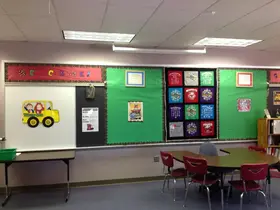
Most public school teachers arrive at school well before students.
Depending on the district and grade level, teachers often arrive between 6:45 a.m. and 7:30 a.m. This quiet time allows them to prepare for the day ahead and address important tasks before classrooms fill with students.
Morning responsibilities typically include:
- Reviewing lesson plans
- Preparing instructional materials
- Organizing classroom activities
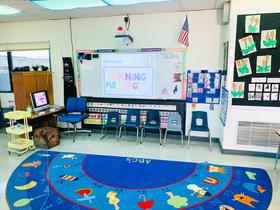
- Setting up technology
- Responding to emails
- Reviewing student data and assignments
Many teachers also use this time to collaborate with colleagues or adjust lessons based on student performance from previous days.
Staffing shortages in many districts have added new demands to teachers’ schedules, a challenge explored in Public School Review’s article on how public schools handle substitute teacher shortages.
Welcoming Students
As students enter the classroom, teachers immediately shift their focus toward creating a positive learning environment.
The beginning of the day often includes greeting students, taking attendance, monitoring student well-being, answering questions, and helping students prepare for class. These simple interactions help establish trust and set a positive tone for learning.
Building Relationships
Strong teacher-student relationships remain one of the most important predictors of classroom success.
Teachers frequently use arrival time to check in with students who may need extra academic or emotional support. These conversations help create an environment where students feel safe, respected, and ready to learn.
Classroom Instruction Throughout the Day
The majority of a teacher’s workday is dedicated to instruction.
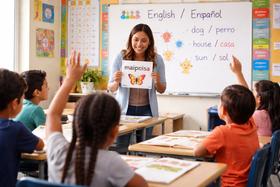
Depending on grade level and subject area, teachers may spend the day leading lectures, classroom discussions, small-group instruction, science labs, project-based learning activities, and independent practice sessions. Today’s classrooms often blend traditional teaching methods with digital learning tools and collaborative activities.
Throughout each lesson, teachers continually assess student understanding and adjust instruction as needed.
Meeting Diverse Learning Needs
One of the most challenging aspects of teaching is addressing the needs of students with different learning styles, abilities, and backgrounds.
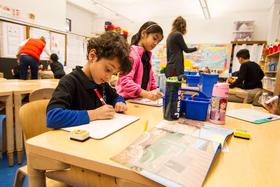
Teachers often work with students who need academic intervention, excel beyond grade-level standards, receive special education services, are English language learners, or require behavioral support. Differentiating instruction requires flexibility, creativity, and careful planning.
Schools continue focusing on expanding opportunities for all students, a topic discussed in Public School Review’s article on equity and access in public schools.
Classroom Management Is Ongoing
Teaching involves much more than delivering content.
Throughout the day, teachers must reinforce classroom expectations, address behavioral concerns, facilitate transitions between activities, encourage participation, and maintain a productive learning environment.
Effective classroom management helps maximize instructional time while fostering respect and responsibility among students.
Technology Management
Technology has become a central part of modern education.
Teachers frequently manage student laptops and tablets, learning management systems, online assignments, digital assessments, and educational software platforms. While technology can enhance instruction, it also requires teachers to troubleshoot problems and ensure students remain focused on learning goals.
Lunch Is Often a Working Period
Contrary to popular belief, lunch is rarely a true break for teachers.
Many educators spend their lunch periods supervising students, meeting with colleagues, responding to emails, preparing afternoon lessons, or providing additional help to students. Even when teachers have duty-free lunches, much of that time is often devoted to planning and preparation.
Planning Periods Are Essential
Most teachers receive at least one planning period during the school day.
These periods are critical for managing the many responsibilities that occur outside direct instruction. Teachers commonly use planning periods for lesson development, assessment creation, grading assignments, parent communication, data analysis, and collaboration with colleagues.
Without dedicated planning time, many of these responsibilities would extend even further into evenings and weekends.
Collaboration With Colleagues
Teaching is highly collaborative.
Throughout the school year, teachers work closely with grade-level teams, department chairs, school counselors, special education professionals, instructional coaches, and administrators. These collaborative efforts help ensure consistency across classrooms and provide additional support for students.
Many districts have expanded collaborative planning efforts as they address issues highlighted in 10 Major Challenges Facing Public Schools in 2026.
Supporting Students Beyond Academics
Public school teachers often serve as mentors and advocates in addition to their instructional roles.
Teachers regularly help students with organization, time management, study skills, goal setting, social development, and emotional well-being. As student needs continue evolving, schools increasingly recognize the importance of supporting the whole child.
The U.S. Department of Education provides school mental health resources that reflect the connection between student well-being and academic readiness.
Communicating With Parents and Families
Parent communication remains a critical component of effective teaching.
Teachers regularly communicate with families to discuss academic progress, share achievements, address concerns, coordinate interventions, and support student success. Strong partnerships between schools and families often contribute to improved educational outcomes.
Maintaining Open Communication
Teachers use various communication methods, including email, phone calls, parent-teacher conferences, school communication platforms, and progress reports. Maintaining these relationships requires time, organization, and consistent effort throughout the school year.
After-School Responsibilities
For many teachers, the workday continues long after students leave.
After-school responsibilities often include grading assignments, preparing future lessons, attending meetings, supervising extracurricular activities, coaching athletics, and participating in professional development. Many educators spend several additional hours each week completing these responsibilities.
Grading and Assessment
Assessment is one of the most time-intensive aspects of teaching.
Teachers regularly review assignments, provide individualized feedback, record grades, analyze assessment data, and modify instruction based on results. The goal is not simply to assign grades but to identify areas where students need additional support.
Professional Development
Teachers are lifelong learners who continually update their skills and knowledge.
Professional development opportunities frequently focus on instructional strategies, educational technology, curriculum updates, school safety, student mental health, and equity initiatives. Organizations such as the National Education Association and the American Federation of Teachers provide resources that support educators throughout their careers.
Challenges Public School Teachers Face in 2026
Teaching remains rewarding, but it also comes with significant challenges.
| Challenge | Impact on Teachers |
|---|---|
| Teacher shortages | Increased workloads and additional responsibilities |
| Student mental health needs | Greater support demands |
| Administrative requirements | Reduced planning time |
| Technology integration | Ongoing training needs |
| Budget limitations | Fewer classroom resources |
| Academic recovery efforts | Increased instructional expectations |
Many districts are addressing these concerns through staffing and support initiatives, including those discussed in teacher shortage solutions that are working in 2026.
Why Understanding a Teacher’s Day Matters
A typical day for a public school teacher involves far more than classroom instruction. Teachers serve as educators, mentors, planners, communicators, and advocates while managing a wide range of responsibilities that support student growth and achievement.
Their work begins before students arrive and often continues long after dismissal. Every lesson, conversation, assessment, and interaction contributes to the learning environment that helps students thrive.
As public education continues to evolve, public school teachers remain at the heart of student success. Understanding what a typical day looks like for a public school teacher highlights the dedication, expertise, and commitment required to guide students toward academic achievement and lifelong learning.