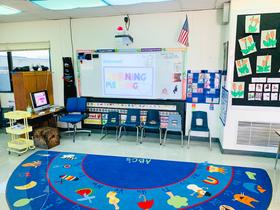
Teaching

This category covers topics such as classroom technology, classroom management, teacher training and more.

View the most popular articles in Teaching:

Inclusion or Exclusion? The ESL Education Debate

Updated
|
Inclusion or Exclusion?  The ESL Education Debate
The debate over the best approach to ESL education continues to evolve with new trends and technological advancements. This article explores the pros and cons of full inclusion vs. specialized support programs for ESL students, providing insights into how schools can balance educational needs and budget constraints.

With classrooms becoming more diverse, public schools are experimenting with new language programs to enhance ESL student learning.

ESL students, standing for English as a Second Language, typically need additional resources and support to adjust to the various linguistic complications of learning a new language. As a result, ESL students typically require additional funding.

However, as public schools are coping with reduced funding due to the economic recession, educational experts debate the best approach to balancing school budgets while caring for each child’s language development. To save costs, some schools and states have created mandatory full inclusion programs, where ESL students are immersed in a regular-paced English class with fluent English speakers. This strategy will reduce the costs of ESL specialists while still engaging ESL students in an atmosphere for learning.

While this approach helps balance school budgets, many educators and parents argue that the full-inclusion classroom is ineffective for both fluent and ESL children.

Public Schools and ESL Programs

As The Multicultural Education Journal explains, the 2001 national mandate, No Child Left Behind, required all public schools to help ESL students become proficient in English, as both fluent and ESL students are mandated to meet state and national achievement standards. While public schools are legally required to provide educational support for ESL kids, many experts assert that the current approach is ineffective and flawed. As the number of minority students is rising each year in the United States, experts predict that by the year

. . .read more

The Truth about the Power of Standardized Test Scores

Updated
|
The Truth about the Power of Standardized Test Scores
Learn about the true importance of standardized test scores in today’s competitive college admissions process.

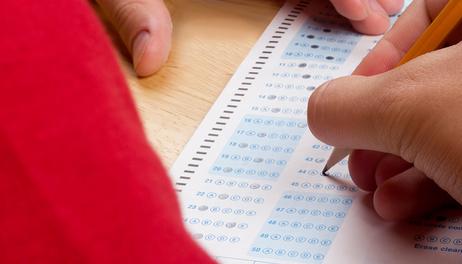
After hours of cramming, attending test prep courses, and enduring long hours of practice exams, students wonder how much standardized test scores matter.

Some experts argue that standardized test scores are not an accurate measure of a student’s intelligence, while others assert that these scores help gauge a student’s abilities more accurately. With this raging debate, recent studies reveal the true influence of standardized test scores on a high school student’s college application and acceptance.

Why Take Standardized Tests?

With a rising number of students applying to community colleges and universities, most schools now require all applicants to complete standardized tests. The most popular standardized tests include the SAT or the ACT assessments. In fact, according to Scholastic, American students today are among the most tested students in the world! Studies show that students combined in the United States take nearly 100 million tests yearly.

With the excessive testing forced upon American children and teens, many wonder: What’s the point? As Scholastic further explains, these tests have an array of reasons and purposes. Specifically, standardized tests are “Viewed as a measure of teacher and school competence and, in some cases, can affect a child's future placement in a school.”

Some tests are designed to ensure that all students meet average progress rates. In contrast, other tests aim to assess each student’s unique abilities as they continue to apply for higher education institutions. These

. . .read more

Recent Articles

When a Public School Cancels a Course Your Child Needs
Learn what parents can do when public schools cancel essential courses, including protecting graduation credits, finding approved alternatives, requesting substitutions, and preventing disruptions to college or career plans before deadlines.
Verify School Assignment Before Buying a House
Before buying a house, learn how to verify your child's assigned public school, check conflicting property listings, confirm enrollment eligibility, and avoid costly school assignment surprises before closing on a property.
School Bus Commute Times: What Parents Should Know
Discover how long school bus commutes really take, why routes vary, and what parents should ask about pickup times, student fatigue, transportation reliability, and daily schedules before choosing schools.