American Samoa is the #55 largest school system in the United States, with 28 public schools for the 2026-27 school year.
Overview
This State (AS)
US
# Schools
28 Schools
100,275 Schools
# Students
n/a
49,273,202 Students
Showing 1993–2021. Full 34-year historical data available below ↓
# Teachers
n/a
3,176,873 Teachers
Showing 1989–1998. Full 11-year historical data available below ↓
Student-Teacher Ratio
n/a
15:1
Showing 1989–1998. Full 11-year historical data available below ↓
Students by Ethnicity:
Diversity Score
-
0.71
# American Indian Students
n/a
465,608 Students
% American Indian Students
n/a
1%
# Asian Students
n/a
2,805,329 Students
% Asian Students
n/a
6%
Showing 1993–2021. Full 34-year historical data available below ↓
# Hispanic Students
n/a
14,933,117 Students
% Hispanic Students
n/a
30%
# Black Students
n/a
7,261,590 Students
% Black Students
n/a
15%
# White Students
n/a
20,989,063 Students
% White Students
n/a
43%
# Hawaiian Students
n/a
196,826 Students
% Hawaiian Students
n/a
n/a
# Two or more races Students
n/a
2,585,768 Students
% of Two or more races Students
n/a
5%
All Ethnic Groups
State Revenue and Spending
This State (AS)
Revenue / Student (97-98)
$268
Spending / Student (97-98)
$261
Best American Samoa Public Schools by County (2026-27)
Popular cities: Pago Pago (28 schools).
Popular neighborhoods:.
County
# Schools
# Students
% Minority
Frequently Asked Questions
How many public schools are located in American Samoa?
28 public schools are located in American Samoa.
Which public schools in American Samoa are often viewed compared to one another?
Popular comparisons of public schools in American Samoa include: Tafuna High School vs. Samoana High School, Samoana High School vs. Tafuna High School, Manulele Elementary School vs. Tafuna Elementary School
Recent Articles

How Much Choice Do High School Students Have?
Learn how graduation requirements, prerequisites, electives, staffing, scheduling conflicts, AP courses, dual enrollment, and career pathways determine how much control high school students have over schedules each year.
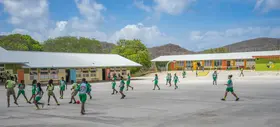
Does Your Child Need More Recess?
Explore whether your child may benefit more from recess than another academic period, including research on attention, learning, physical activity, stress, social development, and school-day balance today.
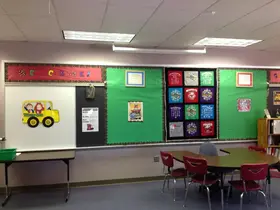
Combined Grade Classrooms, What Parents Should Know
Learn how combined-grade classrooms work, why public schools use them, potential benefits and challenges, and the questions parents should ask before enrolling their child in one today.