The journey to and from school has changed dramatically in recent years. In many communities, more students are riding electric bikes, neighborhoods are experiencing heavier traffic, and school districts are rethinking how they manage drop-off zones, bus operations, and pedestrian safety. These changes have made the daily commute an increasingly important factor for parents evaluating public schools.
While academic programs and extracurricular opportunities remain top priorities, families should also consider whether students can travel to school safely and efficiently. A well-planned commute supports punctuality, reduces stress, and helps students arrive ready to learn. Conversely, unsafe intersections, congested traffic patterns, or inadequate supervision can create unnecessary risks before the school day even begins.
Parents comparing schools may find it helpful to read School Choice in 2026: What Parents Must Know, which explores the many factors that should influence enrollment decisions beyond academics alone.
Why School Commutes Are Becoming More Complex
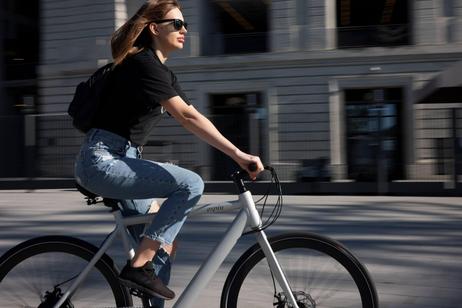
Several trends have transformed how students travel to school. Electric bicycles have become increasingly popular among older students because they offer a faster and more convenient alternative to walking or relying on family transportation. At the same time, growing suburban development and increased vehicle traffic have made many school zones busier than they were just a few years ago.
These changing transportation patterns require schools to evaluate traffic flow, pedestrian crossings, bicycle access, and supervision more carefully than ever before. Parents should not assume that every campus has adapted equally well to these changes.
The National Highway Traffic Safety Administration (NHTSA) recommends that communities support safe cycling through proper infrastructure, visibility, helmet use, and education. Schools play an important role by working with local governments to improve conditions around campus.
Look Beyond the School Grounds
A school's responsibility for student safety often begins well before students enter the building.
During a school visit, take time to observe the surrounding neighborhood.
- Are sidewalks continuous and well maintained?
- Do marked crosswalks connect nearby residential areas to the campus?
- Are crossing guards present during arrival and dismissal?
- Do traffic signals provide sufficient time for students to cross safely?
These details may seem small individually, but together they help create a safer environment for students who walk, ride bicycles, or use e-bikes to reach school.
Parents should also pay attention to visibility around entrances and exits. Parked vehicles, landscaping, or poorly designed intersections can reduce sightlines for both drivers and pedestrians, increasing the likelihood of accidents during busy periods.
Evaluate Drop-Off and Pick-Up Procedures
For many families, the school commute involves daily car travel. Efficient traffic management not only saves time but also improves student safety.
Observe how vehicles enter and leave campus during peak periods. Schools with well-designed traffic patterns typically separate buses, family vehicles, pedestrians, and cyclists whenever possible. Staff members are often visible directing traffic, assisting younger students, and ensuring that loading zones operate efficiently.
Long traffic backups extending onto public roads may indicate that existing infrastructure is struggling to accommodate the number of vehicles arriving each morning.
The Safe Routes Partnership encourages schools and communities to improve traffic flow while making walking and bicycling safer for students through better planning and infrastructure improvements.
How E-Bikes Are Changing Student Transportation
Electric bicycles have expanded transportation options for many middle and high school students, particularly those who live beyond a comfortable walking distance but do not have access to regular bus service.
Unlike traditional bicycles, e-bikes allow students to travel longer distances with less physical effort, making them increasingly attractive for daily commutes. However, their higher speeds also introduce new safety considerations for schools and families.
Parents should ask whether schools have designated bicycle parking areas, whether students receive bicycle safety education, and how administrators manage interactions between cyclists, pedestrians, buses, and vehicles during arrival and dismissal.
Schools that proactively address these questions demonstrate an understanding of how student transportation continues to evolve rather than relying on policies developed before e-bikes became commonplace.
Consider How the School Supports Active Transportation
Walking and cycling to school offer numerous benefits, including increased physical activity, greater independence, and reduced traffic congestion around campuses. However, these benefits depend on whether students can travel safely.
Ask school administrators whether they work with local officials to improve sidewalks, crosswalks, bike lanes, and traffic-calming measures near the campus. Some districts participate in community transportation initiatives that identify hazards and recommend improvements before accidents occur.
The SchoolSafety.gov website encourages schools to take a comprehensive approach to student safety that extends beyond campus boundaries, including transportation planning and collaboration with community partners.
Schools that actively engage with local governments often demonstrate a long-term commitment to creating safer routes for students who walk, cycle, or use e-bikes.
Ask About School Bus Operations
Even if your child does not ride the school bus, bus operations significantly affect overall traffic safety.
Parents should ask how buses are scheduled, whether loading zones are separated from family vehicles, and how students are supervised while boarding and exiting. Well-organized transportation systems help reduce congestion and minimize conflicts between buses, pedestrians, cyclists, and private vehicles.
It is also worthwhile to ask how the district communicates transportation delays, weather-related changes, or route adjustments. Reliable communication helps families plan ahead and reduces confusion during unexpected situations.
Schools that prioritize transportation safety typically review bus routes regularly and work with transportation departments to improve efficiency as neighborhoods grow and traffic patterns change.
Observe Arrival and Dismissal Before Making a Decision
One of the most informative parts of a school visit is observing arrival or dismissal firsthand.
Rather than relying solely on presentations or brochures, visit the campus during one of its busiest times. Watch how students, staff, buses, cyclists, and vehicles interact.
- Are crossing guards visible?
- Do staff members actively supervise students?
- Are cyclists directed safely through campus?
- Does traffic move efficiently without creating unnecessary risks?
Parents should also notice whether students appear comfortable navigating the campus or whether confusion and congestion create avoidable safety concerns.
Schools that have clearly marked traffic lanes, visible staff supervision, and organized dismissal procedures often create a calmer and safer experience for everyone.
Families comparing several schools may also find Understanding School Safety Policies in 2026 useful for understanding how transportation safety fits within a school's broader safety strategy.
Technology Is Improving School Commute Safety
Many districts now use technology to improve transportation safety and communication with families.
GPS-enabled school buses, mobile transportation apps, digital visitor management systems, and real-time traffic monitoring allow schools to respond more quickly to changing conditions. Some districts also use electronic signage and automated notifications to inform families about traffic delays, road closures, or changes to dismissal procedures.
These technologies cannot replace careful planning, but they can improve efficiency and provide parents with greater confidence during the school day.
When touring schools, ask what transportation technology is available and how it helps improve student safety and communication.
Traffic Safety Reflects Broader School Planning
Safe school commutes rarely happen by accident. They are usually the result of careful planning involving school administrators, transportation departments, local governments, law enforcement, and families.
Schools that regularly evaluate traffic flow, review transportation data, and seek community feedback are often better prepared to adapt as neighborhoods grow and transportation habits change. The increasing popularity of e-bikes illustrates why schools must remain flexible and proactive rather than relying on outdated transportation policies.
Parents may also benefit from reading When Absenteeism Signals a School Fit Problem, as long or stressful commutes can sometimes contribute to attendance challenges and reduced student engagement.
Questions Every Parent Should Ask About the School Commute
When visiting a prospective school, take time to ask specific questions about transportation and student safety. The answers can reveal how well the school has adapted to changing traffic patterns and the growing use of e-bikes and other alternative forms of transportation.
Consider asking:
- How does the school manage traffic during arrival and dismissal?
- Are there designated routes for pedestrians, cyclists, buses, and family vehicles?
- Are crossing guards or staff members stationed at key intersections?
- Does the school provide secure bicycle and e-bike parking?
- How are transportation concerns communicated to parents?
- Does the school work with local officials to improve safety around the campus?
- What procedures are in place if severe weather or road closures disrupt transportation?
Schools that answer these questions confidently and provide clear examples often demonstrate a proactive approach to student safety.
The Role of Parents in Safe School Commutes
Schools cannot create safer commutes on their own. Parents also play an important role by modeling safe driving habits, encouraging students to follow traffic laws, and discussing safe cycling and walking practices at home.
Families whose children ride e-bikes should ensure they understand local regulations, wear properly fitted helmets, remain visible to motorists, and avoid distractions such as mobile phones while riding. Parents can also reinforce the importance of following school traffic rules, using designated crossings, and remaining alert during busy arrival and dismissal periods.
Open communication between families and school administrators can also help identify recurring traffic concerns before they lead to accidents. Reporting hazardous intersections, malfunctioning traffic signals, or unsafe driver behavior allows schools and local agencies to respond more effectively.
Planning for Future Transportation Needs
As communities continue to grow, transportation challenges around schools are likely to evolve as well. Population growth, new housing developments, expanded cycling infrastructure, and emerging transportation technologies will all influence how students travel to school in the years ahead.
Forward-thinking schools regularly review transportation plans, collect feedback from families, and work with local governments to identify opportunities for improvement. Rather than reacting only after problems occur, these schools continuously evaluate traffic patterns and make adjustments that improve safety for everyone using the campus.
Parents should remember that the safest commute is not necessarily the shortest one. A slightly longer route with better sidewalks, controlled crossings, reduced traffic speeds, and active supervision may provide a significantly safer experience for students.
The Bottom Line
The daily trip to and from school has become an increasingly important part of the educational experience. Rising e-bike use, heavier traffic, and changing transportation patterns have created new opportunities for students while also introducing new safety considerations for families and school districts.
Parents evaluating public schools should look beyond academic programs and campus facilities to understand how students actually travel to school each day. Observing arrival and dismissal procedures, reviewing traffic management plans, assessing pedestrian and cycling infrastructure, and asking thoughtful questions about transportation policies can provide valuable insights into a school's overall commitment to student safety.
Schools that successfully manage modern transportation challenges recognize that safe commutes require collaboration among educators, families, transportation departments, law enforcement, and local governments. By planning ahead and adapting to changing community needs, these schools help ensure that students begin and end each school day safely.
Ultimately, choosing a school with a well-designed transportation strategy supports not only student safety but also attendance, punctuality, and peace of mind for families. As e-bikes and other alternative forms of transportation become increasingly common, evaluating the quality of a school's commute should become an essential part of every parent's enrollment decision.