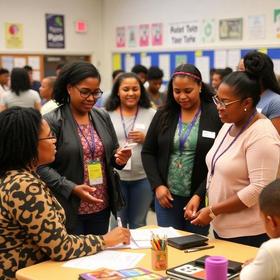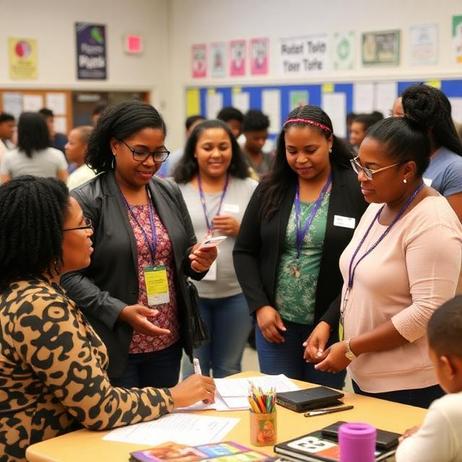
Parental involvement in public schools continues to be one of the strongest predictors of student success. While the core principle remains unchanged, the way families engage with schools has evolved significantly in recent years. In 2026, schools are placing greater emphasis on meaningful partnerships, digital communication, equity-focused outreach, and family participation in decision-making.
As public schools navigate academic recovery efforts, student mental health concerns, school safety initiatives, and rapid technological change, effective family-school collaboration has become more important than ever. Research consistently shows that students benefit when parents remain actively engaged in both school activities and learning at home.
This 2026 update examines the latest trends in parental involvement in public schools, highlights emerging best practices, and offers practical guidance for families and educators.
Why Parental Involvement Still Matters
Decades of educational research demonstrate that parental involvement is associated with:
- Higher academic achievement
- Improved attendance
- Better classroom behavior
- Increased graduation rates
- Stronger social-emotional development
- Greater student motivation
Recent Public School Review coverage on Parental Involvement and Public School Outcomes highlights how family engagement influences not only academic performance but also overall school climate and student well-being.
In 2026, educators increasingly view parents as partners rather than spectators. The most successful schools create structures that encourage ongoing collaboration instead of limiting engagement to occasional conferences or volunteer opportunities.
The State of Parental Involvement in 2026
Several trends are reshaping parental involvement in public schools.
1. Digital Communication Has Become the Norm
Most districts now rely on integrated communication platforms that allow families to receive real-time updates regarding attendance, grades, assignments, transportation, and school announcements.
Parents can often communicate directly with teachers through secure messaging systems, reducing delays and improving responsiveness.
However, schools are also recognizing that digital access varies widely among families. Districts are increasingly investing in multilingual communications, mobile-friendly platforms, and alternative outreach methods to ensure all parents remain informed.
For parents seeking guidance on navigating technology in education, Public School Review's article on Digital Learning and Public Schools provides additional context.
2. Schools Are Prioritizing Family Engagement Over Event Attendance
Traditionally, parental involvement was measured by attendance at school events. Today, educators understand that meaningful engagement often happens outside the school building.
Examples include:
- Reading with children at home
- Discussing classroom learning
- Monitoring academic progress
- Establishing study routines
- Supporting attendance expectations
- Encouraging goal setting
Many districts now evaluate the quality of family-school relationships rather than simply counting event participation.
3. Equity Remains a Major Focus
One of the most significant developments in 2026 is the growing emphasis on equitable engagement.
Schools are working to reduce barriers faced by:
- Working parents with limited schedules
- Families with language differences
- Caregivers without reliable transportation
- Families unfamiliar with school systems
- Households lacking internet access
According to guidance from the U.S. Department of Education, effective family engagement requires schools to create inclusive opportunities that meet families where they are rather than expecting all parents to participate in the same way.
What Research Says About Effective Family Engagement
Modern research increasingly distinguishes between involvement and engagement.
| Traditional Involvement | Meaningful Engagement |
|---|---|
| Attending events | Supporting learning at home |
| Fundraising activities | Regular communication with teachers |
| Volunteering occasionally | Participating in academic planning |
| Passive information sharing | Collaborative decision-making |
Research from the National Center for Education Statistics continues to show that students benefit most when parents maintain consistent engagement with learning, regardless of income level or educational background.
The message for families is encouraging: helping with learning routines and maintaining communication often matters more than attending every school event.
New Areas of Parent-School Collaboration in 2026
Student Mental Health
Mental health remains a major concern for schools nationwide.
Parents now play a larger role in identifying challenges early and coordinating support with counselors, teachers, and administrators.
Many districts have expanded family education programs focused on:
- Anxiety management
- Social media use
- Digital wellness
- Bullying prevention
- Emotional resilience
Families can learn more about these developments in Public School Review's article on How Public Schools Support Mental Health in 2025.
School Safety
Family engagement has also become an important component of school safety planning.
Parents increasingly participate in:
- Safety committees
- Emergency preparedness discussions
- Threat assessment awareness programs
- School climate surveys
Recent developments outlined in New Public School Safety Protocols 2025-26 Guide demonstrate how schools are seeking more input from families regarding safety initiatives.
Artificial Intelligence and Learning Technology
The rapid adoption of artificial intelligence tools in education has created new opportunities and challenges.
Parents are now asking questions such as:
- How is AI being used in classrooms?
- What safeguards protect student privacy?
- How can families support responsible technology use?
Organizations such as the International Society for Technology in Education (ISTE) emphasize that parent education will be essential as AI becomes more integrated into teaching and learning.
Practical Strategies for Parents in 2026
Parents do not need extensive time or educational expertise to make a meaningful impact.
Effective strategies include:
Establish Consistent Communication
Reach out early in the school year and maintain regular contact with teachers when concerns arise.
Focus on Learning Conversations
Instead of asking, "Did you do your homework?" consider asking:
- What was the most interesting thing you learned today?
- What challenged you this week?
- What goal are you working toward?
Monitor Attendance
Attendance remains one of the strongest indicators of academic success. Families should address attendance concerns as early as possible.
Participate in School Feedback Opportunities
Many districts now offer:
- Parent advisory councils
- Climate surveys
- Strategic planning committees
- Community listening sessions
These opportunities allow families to help shape school policies and priorities.
Support Independent Learning
As students move into middle and high school, parental involvement should evolve rather than disappear. Parents can shift from direct supervision to coaching, encouragement, and accountability.
Challenges Schools Must Continue to Address
Despite progress, several obstacles remain.
Engagement Drops in High School
Parental involvement often declines as students become more independent. Yet research suggests family engagement remains important through graduation and postsecondary planning.
Time Constraints
Many families juggle demanding work schedules and caregiving responsibilities, limiting their ability to attend school functions.
Communication Gaps
Language barriers and technology limitations can still prevent some families from fully participating.
Trust and Relationship Building
Schools must continue building trust with families through transparency, responsiveness, and consistent communication.
Looking Ahead
The future of parental involvement in public schools is likely to become even more personalized and collaborative. Schools are moving away from one-size-fits-all engagement models and toward approaches that recognize the diverse needs of modern families.
Several trends are expected to continue through the remainder of 2026 and beyond:
- Expanded use of family engagement technology
- Greater emphasis on student mental health partnerships
- Increased parent participation in school governance
- More flexible engagement opportunities
- Stronger equity-focused outreach initiatives
- Continued integration of AI and digital learning support
The schools making the greatest progress are those that treat family engagement as a strategic priority rather than an occasional activity.
Conclusion
Parental involvement in public schools remains one of the most powerful tools for improving student outcomes. In 2026, successful engagement looks different than it did a decade ago. It is less about attending every event and more about maintaining meaningful communication, supporting learning at home, and partnering with educators to help students thrive.
As public schools continue to evolve, strong family-school partnerships will remain essential. Whether through digital communication, participation in school decision-making, support for student well-being, or everyday learning conversations at home, parental involvement in public schools continues to shape student success in measurable and lasting ways.