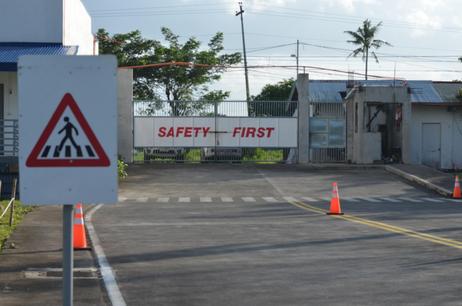
For many parents, the phrase "school safety" immediately brings to mind lockdown drills and security cameras. While these measures remain important, they represent only one part of what makes a school truly safe. Today's public schools face a broad range of challenges, from severe weather and medical emergencies to bullying, mental health concerns, cybersecurity threats, and unauthorized campus access. As a result, the most effective schools have adopted comprehensive safety strategies that go far beyond preparing for a single type of emergency.
Families evaluating public schools should look beyond visible security features and ask how a school creates an environment where students feel physically secure, emotionally supported, and confident that adults will respond appropriately when concerns arise. A strong safety program balances preparedness with prevention, helping students thrive without creating an atmosphere of fear.
Before visiting schools, parents may find it helpful to read Understanding School Safety Policies in 2026, which explains how modern safety plans combine emergency preparedness with student wellness and prevention strategies.
Look Beyond Physical Security
Locked entrances, visitor check-in systems, surveillance cameras, and secure classroom doors are now common features in many public schools. While these physical safeguards are important, they should be viewed as part of a broader safety framework rather than the sole indicator of a school's preparedness.
Parents should ask how visitors are screened, how exterior doors remain secured during the school day, and whether staff receive ongoing training on safety procedures. A well-maintained campus also demonstrates attention to detail, including adequate lighting, clear signage, accessible pathways, and routine maintenance that minimizes potential hazards.
The SchoolSafety.gov website provides practical federal guidance, assessment tools, and best practices covering emergency planning, violence prevention, cybersecurity, school climate, and family engagement. Reviewing these resources can help parents better understand the standards many schools use when developing comprehensive safety programs.
Evaluate the School's Safety Culture
One of the strongest predictors of school safety is the overall culture of the school. Students who feel respected, connected, and supported are more likely to report concerns before they become serious problems.
During a school visit, observe how staff interact with students in classrooms, hallways, and common areas. Respectful relationships, positive behavior expectations, and consistent supervision often indicate a healthy school climate.
Consider asking administrators how bullying reports are investigated, how conflicts between students are resolved, what programs encourage positive behavior, and how families are informed when safety concerns arise. Schools that openly discuss these topics often demonstrate a proactive approach rather than simply responding after problems occur.
Parents may also benefit from reading How to Spot a School Climate Problem Before Enrolling, which explains how school climate influences student achievement, behavior, and overall campus safety.
Review Emergency Preparedness Plans
Although lockdown drills receive significant public attention, schools must prepare for a wide variety of emergencies.
Comprehensive emergency operations plans typically address severe weather, fires, medical emergencies, hazardous material incidents, utility failures, transportation emergencies, community threats, and family reunification procedures following an incident.
Rather than asking simply whether lockdown drills occur, parents should ask how frequently emergency plans are reviewed, whether local police, fire departments, and emergency management officials participate in planning, and how substitute teachers receive emergency training. Schools should also have clear communication procedures that allow families to receive accurate information quickly during emergencies.
The U.S. Department of Education provides guidance on developing and maintaining comprehensive school emergency operations plans that emphasize prevention, preparedness, response, and recovery.
Consider Student Mental Health as Part of School Safety
School safety is increasingly linked to student well-being. Many schools recognize that providing mental health support is one of the most effective ways to prevent crises before they occur.
Ask whether the school employs counselors, psychologists, or social workers, how students are referred for support, and whether staff receive training to recognize signs of emotional distress. Schools should also have clear procedures for connecting students and families with community mental health resources when additional services are needed.
Research from the Centers for Disease Control and Prevention shows that students who feel connected to their school are more likely to experience positive mental health outcomes, engage academically, and avoid risky behaviors. Building strong relationships between students and trusted adults is therefore an essential component of a comprehensive school safety strategy.
Examine Visitor Management and Campus Access
A school's approach to visitor management can reveal a great deal about its overall commitment to safety. While security measures should never make a school feel unwelcoming, they should ensure that everyone entering campus is properly identified and monitored.
Ask administrators how visitors check in, whether identification is required, and how contractors, volunteers, and substitute teachers are screened before interacting with students. Schools should also have procedures for monitoring entrances throughout the school day and ensuring that exterior doors remain secure without creating barriers during emergencies.
Parents should also ask how the school balances security with accessibility during events such as concerts, athletic competitions, and parent conferences, when campuses often welcome larger numbers of visitors.
Understand How Schools Address Behavioral Concerns
Many schools now recognize that identifying concerning behaviors early can help prevent more serious incidents. Rather than relying solely on disciplinary action, effective schools use multidisciplinary teams to evaluate concerns and determine appropriate interventions.
Parents may wish to ask:
- How does the school identify students who may need additional behavioral support?
- What role do counselors, psychologists, and administrators play in addressing concerns?
- How are parents involved when interventions become necessary?
The U.S. Secret Service National Threat Assessment Center provides research demonstrating that early identification, supportive intervention, and information sharing are among the most effective strategies for preventing targeted school violence.
Schools that emphasize early intervention often create environments where students receive support before challenges escalate into larger safety concerns.
Review Communication With Families
Clear communication is one of the most overlooked aspects of school safety. During an emergency, families need timely, accurate information from trusted sources.
Ask administrators how parents receive emergency notifications and whether the school uses multiple communication methods, such as text messages, phone calls, emails, and mobile applications. It is equally important to understand how schools communicate after an incident, including when parents can expect updates and where reunification sites will be located if students must be evacuated.
Outside of emergencies, schools should regularly communicate safety expectations, policy updates, and available resources throughout the year rather than only after significant events occur.
Parents interested in evaluating a school's overall communication practices may also find School Choice in 2026: What Parents Must Know helpful when comparing different public school options.
Ask About Cybersecurity and Digital Safety
As technology becomes increasingly integrated into education, digital safety has become an essential part of school security.
Many schools now use online learning platforms, cloud-based student records, digital attendance systems, and classroom technology that require strong cybersecurity protections. Families should ask how student information is protected, what internet filtering systems are in place, and how students are taught to recognize online threats such as phishing, cyberbullying, and inappropriate online behavior.
Schools should also have policies governing responsible technology use, social media, and artificial intelligence tools to ensure that digital learning environments remain safe and productive.
Observe Daily Supervision
Some of the best indicators of school safety become apparent during an ordinary school day rather than during a formal presentation.
As you tour the campus, observe whether teachers are visible in hallways during class changes, whether students appear engaged and respectful, and whether administrators regularly interact with students. Well-supervised schools often experience fewer disciplinary incidents because students know adults are present, approachable, and attentive.
Pay attention to arrival and dismissal procedures as well. Organized traffic flow, clearly identified staff members, and consistent supervision contribute significantly to student safety during the busiest parts of the school day.
Look for Evidence of Continuous Safety Improvement
School safety is not a one-time initiative. The strongest schools regularly evaluate their policies, review lessons learned from drills and real-world incidents, and update procedures as new challenges emerge.
Parents should ask how often safety policies are reviewed, whether staff receive annual refresher training, and how students and families provide feedback on school safety initiatives. Schools that embrace continuous improvement are more likely to adapt to changing risks while maintaining a supportive learning environment.
It is also worth asking whether safety committees include representatives from different stakeholder groups, including teachers, administrators, school resource officers where applicable, parents, and community partners. A collaborative approach often results in more comprehensive planning and stronger community trust.
Questions Every Parent Should Ask During a School Visit
A campus tour provides an excellent opportunity to move beyond brochures and ask meaningful questions about how safety is managed daily. Rather than focusing exclusively on physical security measures, try to understand how the school creates a culture where prevention, communication, and student well-being work together.
Consider asking:
- How are emergency plans reviewed and updated each year?
- What mental health resources are available to students?
- How are bullying and harassment reports investigated?
- What visitor management procedures are in place?
- How does the school communicate with families during emergencies?
- What training do teachers receive on emergency preparedness?
- How are concerning student behaviors identified and addressed?
- What steps are taken to ensure students feel safe reporting concerns?
The answers should demonstrate thoughtful planning rather than simply listing policies. Administrators should be able to explain how safety procedures operate in everyday practice.
The Bottom Line
School safety extends far beyond lockdown drills and visible security measures. While secure entrances, surveillance systems, and emergency procedures remain essential, they are only part of a comprehensive approach that protects students every day.
The safest schools cultivate positive relationships, provide access to mental health support, communicate openly with families, prepare for a variety of emergencies, and continuously evaluate their safety practices. They encourage students to speak up when something feels wrong and ensure that trusted adults are available to listen and respond.
As parents evaluate public schools, they should look beyond the presence of cameras or locked doors and consider how the entire school community works together to promote safety, inclusion, and well-being. Asking thoughtful questions during campus visits, reviewing school policies, and understanding how safety is integrated into daily operations can provide a much clearer picture than any single statistic or security feature.
Ultimately, a safe school is one where students are not only protected from potential threats but are also supported academically, socially, and emotionally. By taking a comprehensive approach to evaluating school safety before enrollment, families can make more confident decisions and choose a learning environment where their children can feel secure, connected, and ready to succeed.