
For the 2026-27 school year, there are 2 public preschools serving 371 students in Delavan, WI.
Delavan, WI public preschools have a diversity score of 0.56, which is less than the Wisconsin public preschool average of 0.59.
Minority enrollment is 62% of the student body (majority Hispanic), which is more than the Wisconsin public preschool average of 39% (majority Hispanic and Black).
Best Public Preschools in Delavan, WI (2026-27)
School
(Math and Reading Proficiency)
(Math and Reading Proficiency)
Location
Quick Facts
Rank: #11.
Turtle Creek Elementary School
(Math: 26% | Reading: 30% )
Rank:
Rank:
2/
Bottom 50%10
1235 Creek Rd
Delavan, WI 53115
(262) 233-6301
Delavan, WI 53115
(262) 233-6301
Gr: PK-2 | 371 students Student-teacher ratio: 10:1 Minority enrollment: 62%
Rank: n/an/a
Wisconsin School For The Deaf
Special Education School
309 W Walworth Ave
Delavan, WI 53115
(262) 728-7120
Delavan, WI 53115
(262) 728-7120
Gr: PK-12
Delavan, Wisconsin Public Schools (Closed)
School
Location
Quick Facts
1001 E Geneva St
Delavan, WI 53115
(262) 233-6800
Delavan, WI 53115
(262) 233-6800
Gr: PK-K | 254 students Student-teacher ratio: 16:1 Minority enrollment: 48%
Frequently Asked Questions
What are the top-ranked public preschools in Delavan, WI?
The top-ranked public preschools in Delavan, WI include Turtle Creek Elementary School.
How many public preschools are located in Delavan?
2 public preschools are located in Delavan.
What is the racial composition of students in Delavan?
Delavan public preschools minority enrollment is 62% of the student body (majority Hispanic), which is more than the Wisconsin public preschools average of 39% (majority Hispanic and Black).
Recent Articles

How Much Choice Do High School Students Have?
Learn how graduation requirements, prerequisites, electives, staffing, scheduling conflicts, AP courses, dual enrollment, and career pathways determine how much control high school students have over schedules each year.

Does Your Child Need More Recess?
Explore whether your child may benefit more from recess than another academic period, including research on attention, learning, physical activity, stress, social development, and school-day balance today.
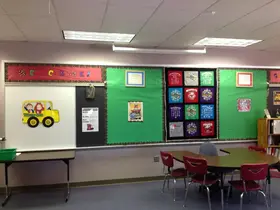
Combined Grade Classrooms, What Parents Should Know
Learn how combined-grade classrooms work, why public schools use them, potential benefits and challenges, and the questions parents should ask before enrolling their child in one today.