Published November 18, 2008
Written by Grace Chen
While school-based bullying has been an issue since the beginning of public school institutions, public schools today are seeking out new solutions to provide all students and parents with support and guidance. Today, in an effort to educate both bullies and victims, schools are implementing early-intervention programs to combat the many issues of bullying in public schools.
Bullying in Public Schools: Signs and Symptoms of Problems
According to the public school program Stop Bullying Now, parents and school officials can identify specific signs as indications of a bullying issue. In fact, according to studies reported by Stop Bullying Now, an incident of bullying occurs ever seven minutes, as the experts assert: “Children, after all, learn from what they see us do, rather than from what we say. When adults do not intervene, bullies may feel there is nothing wrong with their actions. Targets may feel they deserve the bullying.” To prevent a negative cycle of violence and attacks, both kids and adults can identify three specific types of bullying: physical, verbal, and exclusive.
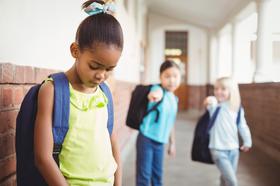
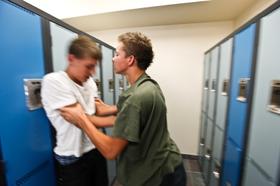
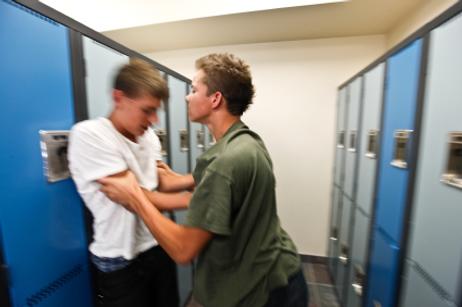
Physical bullying signs, as Stop Bullying Now supports, are evident through “hitting, kicking, pushing, choking, punching.” Verbal bullying, on the other hand, is seen by “threatening, taunting, teasing, starting rumors, hate speech.” Lastly, exclusive bullying is evident, often, through a less obvious symptom. In this third case, when a child is bullied by being excluded from activities, “This does not mean that a child should not have the right to choose to play, or not to play, with another child; it does mean that children should not be allowed to systematically exclude others: ‘No one play with Mary;’ ‘No one wants to play with him;’ ‘Don't be her friend.’” Bullying can lead to serious physical and emotional ramifications; specifically, oftentimes the act of bullying results in the bully blaming the victim for the abuse, or can also result in the victim blaming him or herself for the abuse. The impacts can be deeply emotional and painful.
Who are the Bullies?
While bullying can occur at any location, among both female and male students in any age group, research is learning of specific patterns of bullying behavior. Generally, however, as Stop Bullying Now further supports, bullying is “Done by someone with more power or social support to someone with less power or social support.” Yet in striving to find out more about bullying patterns, CNN revealed in their investigation “Study: Bullying Rampant in US Middle Schools” that nearly four out of five middle school students admitted to acting like a bully at least once each month. Adding to this, “A new study that found such aggressive behavior to be more common than previously thought,” as 558 Midwestern middle school children revealed that 80% of young teen behavior included “physical aggression, social ridicule, teasing, name-calling and issuing threats within the previous 30 days.” Again, while bullying can occur from school grades as young as kindergarten and even preschool, it is being theorized that the middle school teens are engaging in more bullying-type behaviors than any other student group.
Stopping the Bullying: Public School Initiative
As CNN reveals, research surmises that bullies can account for nearly 15 percent of a school’s population. To solve this crisis, CNN asserts that “parents and teachers must learn how to deal with bullying behavior, because that makes it clear that it's not just a normal part of growing up.” While each school has its own specific consequences and codes of conduct, there are rising national organizations that are specifically aiming to cease the bullying acts that are occurring in public schools.
The National Center for Bullying Prevention (NCBP)
The National Center for Bullying Prevention is one of the many national organizations focused on helping students learn more positive behaviors to combat bullying issues. As the organization asserts, “It might seem like bullying is too big a problem to solve, but it’s not! When people work together, they can accomplish great things.”
To get the community, including parents and students, involved, NCBP provides community members with links and articles for information and support. Specifically, the program lists appropriate books for parents to read with their children, provides lesson plans for teachers to talk about issues and alternatives to bullying, while also providing creative outlets, such as role playing activities for students, to become more open and aware to bullying issues. By taking advantage of these resources, NCBP asserts that adults and students are engaging in the solution: “What can you do? Reach out to younger students and help them learn what they can do to prevent and respond to bullying.”
Juvenile Justice: Anti-Bullying Programs
In an additional alternative for support and community involvement, the organization Juvenile Justice outlines specific strategies for combating bullying issues in their article “Developing an Anti-Bullying Program.” As the organization explains, studies show that nearly 60 percent of boys have been, at some point, engaging in bullying activities. In fact, by the age of 24, nearly 40 percent of these bullies had possessed three or more criminal convictions.
To deal with these issues and hazards, this juvenile organization has created a Bullying Prevention Program, where leaders strive to “reduce bullying in schools, and reduce the overall effects of bullying in the community, including school violence, truancy, and adult crimes.” This program is completely available online, as many schools and community leaders have taken advantage of such agendas in order to confront any issues in their school and/or community.
To find out more about bullying issues at your child’s school, speak with teachers, counselors, and/or administrators for information and tips for support. If you are concerned about your son/daughter’s safety and/or behavior, counselors and administrators can discuss their school’s specific bullying program to offer guidance and support.
References
“Developing an Anti-Bullying Program,” Juvenile Justice. Available at http://www.theiacp.org/Training/bullyingbrief.pdf
“Identifying Bullying,” Stop Bullying Now. Available at http://www.stopbullyingnow.com/identify.htm
National Center for Bullying Prevention, available at http://www.pacer.org/bullying/mhs/index.asp
“Study: Bullying Rampant,” CNN News, August 20, 1999, available at http://www.cnn.com/US/9908/20/bullies/
{"http://www.publicschoolreview.com/articles/58":{"comments":{"data":[]}}}
Read Related Public School Safety Articles:
Keep your kids safe on and off campus with these articles, which range from bullying and sexual harassment to bed bugs on campus and more.
-
Is Your Child's Public School Fertile Grounds for Cancer from PCBs?
The greatest danger on your child’s campus is not bullies, but rather cancer-causing PCBs. Learn about the presence of PCBs in schools and whether your child’s school is at risk. -
Bed Bugs in Schools? The Creepy Truth
Think bed bugs only exist in motel rooms? Think again! Bed bugs may in fact be infesting public schools around the country. -
Public School Police Departments: Combating Traffic, Crime and Budget Cuts
Police departments on public school campuses have played a major role in reducing violent crime and the speed limit. Unfortunately, they are also fighting an uphill battle against budget cuts. -
Sex Offenders: Working in Your Local Schools
A shocking new report has revealed that a surprising number of sex offenders are working in public schools. Learn about the report, its revelations, and what can be done to protect your children. -
Anti-Bullying Laws Finally in Place
The new wave of anti-bullying legislation is finally finding its way to school districts. Learn about three states leading the way in anti-bullying laws. -
Pepper Spray at School: From Lawsuits to Hospitalizations
A rash of pepper spray incidents at public schools have resulted in hospitalizations, lawsuits, and many tears. Learn about pepper spray prevalence, from being used to discipline students to a self-defense measure against bullies. -
Tuberculosis at Public Schools: Symptoms and Precautions
Public schools have been the recent grounds of tuberculosis infections. Learn about the symptoms and how to protect your child from catching tuberculosis. -
Radon Exposure in Public Schools: Are Your Kids in Danger?
Radon is invisible, but its impact on children can be incredibly dangerous. Learn about the presence of radon in public schools and how to keep your kids safe. -
Under the Radar: Why Some High Schools are Hiring Undercover Police Officers
While security guards may be commonplace at some public high schools, other districts have resorted to undercover cops to keep their kids safe. Learn about why schools are bringing undercover police officers on campus and what it means for your student. -
Safety First: School Bus Safety Week Focuses on Keeping Students Safe on the Road
Learn about what schools have planned for school bus safety week, as well as problems school bus drivers commonly face while transporting students to and from school. -
Overcrowding Continues in Detroit Public Schools
According to recent reports, many schools throughout the Detroit Public School system continue to grapple with overcrowded classrooms, and now the fire marshal has launched a probe into the issue. -
Making Kids Safer: New Comstat Program Coming to CPS
Learn about a new program coming to Chicago Public Schools that will involve coordination between local police and school officials to keep kids safer in school and in the community. -
Surveillance Cameras: Violation of Rights or Improved Security?
A school district in Virginia has given the green light to schools that want to install surveillance cameras in common areas like cafeterias and hallways. We’ll look at whether this is a violation of student privacy or the best way to keep order in schools. -
Gangs, Drugs, and Firearms: The State of Public Schools Today
Gangs, drugs, and guns may be more prevalent on public school campuses than parents think. Learn about the high percentage of public school students who are exposed to these dangers each day – and what parents can do to protect their kids. -
Signs of Sex Abuse at School: What Parents Should Know
Nearly 10% of students will encounter sexual misconduct at school. Make sure you know how to protect your child and recognize the signs of potential sex abuse. -
Missing Children: Why Public Schools Need to Improve Security Policies
Learn about the case of Kyle Horman, a child who went missing while on campus, and how this tragedy is prompting public schools to reevaluate their security measures. -
Will Your Child’s School Shut Down to Prevent the Spread of H1N1?
The CDC is encouraging school officials to avoid H1N1 closures, but what will your child's public school do? Learn more about what will prompt your child's school to take action to shut down the campus. -
How Well is Your School Prepared to Handle the H1N1?
The start of the school year translates into greater risks for the spread of H1N1. Learn about how public schools across the country are combating the risks, as well as what you can do to keep your children safe. -
The Latest Public School Initiatives Against Gang Activity
Gang activity continues to be prevalent throughout public schools, ranging from urban cities to suburban enclaves. Learn about how public schools are combating gang violence today with comprehensive initiatives. -
How is Your Child’s School Confronting Gangs?
Learn about the prevalence of gang activity in both urban and suburban public schools and how your child's school is prepared to minimize the influence of street gangs on campus. -
Is Your Public School’s Zero Tolerance Policy Punishing Innocent Students?
While zero tolerance policies were designed to keep public school students safe, are they unfairly punishing innocent students? Learn more about the debate and whether or not zero tolerance policies are effective for public schools. -
What You Need to Know about Emergency Response Procedures in Public Schools
Learn about how public schools are protecting students against emergencies, and what parents need to know about keeping their children safe in public schools. -
Can Students Be Legally Prosecuted for School Fights?
As violence grows on campus, more and more public school students face legal prosecution for their misbehavior. Learn about the growing trend of legal consequences for on-campus fights and disobedience. -
Is Your Child Safe Riding Riding the Public School Bus?
Violence aboard public school buses have increased in recent years, but there are steps parents and administrators can enact to make buses safer for children. Learn about what you can do to make public school buses safe for your children. -
Bullied to Death: Should Public Schools be More Responsible for Mean Girls?
In the wake of the Phoebe Prince tragedy, many are questioning whether schools should be more responsible for bullying. -
Should Public Schools Regulate Cyberbullying?
In response to recent cyberbullying tragedies, public schools now face the dilemma of how to protect their students from modern bullying. -
Public Schools and Bullying: The Issues and the Solutions
Combat the growing prevalence of bullying in public schools by learning more about effective solutions.
Health Concerns
From vaccines to bed bug outbreaks, learn about the latest health concerns on public school campuses.
-
Asbestos in Public Schools: Is Your Child at Risk?
Your child's public school could be the scene of asbestos. Learn about the risk factors and what schools have recently been impacted by the presence of asbestos. -
Whooping Cough: Should Vaccinations be Required for Public School Enrollment?
Whopping cough is making a comeback, especially amongst children, prompting health officials to encourage pertussis vaccines and boosters. However, should the pertussis vaccine be required for public school enrollment? Learn about current proposed laws and its ramifications. -
Is Your Child’s School Prepared for a Pandemic Health Threat?
Learn about how your school will address pandemic health issues, such as the H1N1 virus, and how you can be proactive in learning about school closing guidelines. -
Do Mandatory Vaccines Hurt or Help Public School Children?
Learn about the benefits of mandatory vaccines, as well as why some parents are arguing against vaccines for public school children.
Bullying
The attack on bullying is official. Learn about what parents, schools, and legislators can do to keep bullying at bay.
-
New Website Allows Iowa Parents and Students to Report Bullying Online
Learn about a new online service available in Iowa that allows reports of bullying to be made online. The purpose of the website is to provide better tracking of bullying across the state and make it easier to report bullying incidents. -
Can We Finally Say Goodbye to Bullying?
Bullying is becoming the red hot topic in education circles today, and the U.S. Department of Education is taking note. Learn about the anti-bullying summit held by Education Secretary Arne Duncan and how schools may finally put an end to bullying. -
Bullying, Name Calling, and Put Downs - Tips for Parents
Learn tips for helping your child deal with bullying, name calling and put-downs. -
Female Bullies in Public Schools: The Rising Trend and School Reactions
Learn more about the growing prevalence of female bulling and how public schools are managing the important issues. -
How to Protect Special Education Students from Campus Violence
Studies show that special education students are a prime target of campus violence. Learn about what public schools can do to keep these at-risk students safe.
All Categories:
- Evaluating Public Schools (10 articles)
- Types of Public Schools (31 articles)
- Attending Public School (26 articles)
- Public School Policies (99 articles)
- Public School Jobs (4 articles)
- Improving Learning (58 articles)
- High School Issues (61 articles)
- Nutrition on Campus (30 articles)
- Education Reform (52 articles)
- Kindergarten and Elementary School Issues (10 articles)
Recent Public School Articles:
-
15 Fortune 500 CEOs that Attended Public School
Steve Jobs, Warren Buffett, Jeff Bezos, and Michael Dell: what do they have in common? A public high school education! Be inspired by 15 Fortune 500 CEOs who got their start at their local public high schools. -
Longer Lunches, Smarter Students? The Controversy of 10 Minute or 1 Hour Lunch Periods
Some schools in the country only give students 10 minutes to eat lunch, while others enjoy an entire hour. We’ll delve into the controversy surrounding the length of the lunch period and what the research finds in correlating lunch length to student performance. -
10 Major Challenges Facing Public Schools
Are our public schools in a state of crisis? Learn about the 10 biggest problems with public schools today, both from the perspective of the administrators and the teachers - More articles: Most Popular, Evaluating Public Schools, Types of Public Schools, Improving Learning, Attending Public School, High School Issues, Public School Policies, Public School Jobs