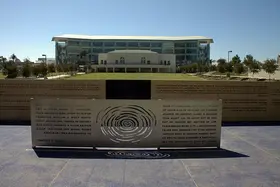
Joel P Jensen Middle School serves 944 students in grades 7-9.
The student-teacher ratio of 21:1 was equal to the Utah state level of 21:1.
Minority enrollment was 17% of the student body (majority Hispanic), which was lower than the Utah state average of 31% (majority Hispanic).
School Overview
Grades Offered
Grades 7-9
Total Students
944 students
Total Classroom Teachers
44 teachers
School Rankings
Student-Teacher Ratio
21:1
21:1
American Indian
1%
1%
Asian
3%
2%
Hispanic
12%
21%
Black
1%
1%
White
83%
69%
All Ethnic Groups
Eligible for Free Lunch
23%
23%
Eligible for Reduced Lunch
12%
6%
School Statewide Testing
School District Name
Source: National Center for Education Statistics (NCES), UT Dept. of Education
Frequently Asked Questions
How many students attend Joel P Jensen Middle School?
944 students attend Joel P Jensen Middle School.
What is the racial composition of the student body?
83% of Joel P Jensen Middle School students are White, 12% of students are Hispanic, 3% of students are Asian, 1% of students are American Indian, and 1% of students are Black.
What is the student-teacher ratio of Joel P Jensen Middle School?
Joel P Jensen Middle School has a student ration of 21:1, which is equal to the Utah state average of 21:1.
What grades does Joel P Jensen Middle School offer ?
Joel P Jensen Middle School offers enrollment in grades 7-9
What school district is Joel P Jensen Middle School part of?
Joel P Jensen Middle School is part of Jordan School District.
Recent Articles

When Your Child Gets a Teacher You Didn't Request
Learn what parents can do when a child is assigned to an unexpected teacher, including when to wait, communicate, document concerns, request support, and seek reassignment appropriately.
Before Accepting a Public School Seat: 15 Checks
Before accepting a public school seat, parents should verify enrollment terms, transportation, staffing, academics, safety, support services, schedules, attendance rules, extracurriculars, costs, and long-term placement details carefully.
Will This Public School Offer the Same Programs Next Year?
Learn how parents can determine whether public school programs will continue next year by checking budgets, enrollment, staffing, board documents, grants, course schedules, and district priorities before enrolling.