How Public Schools Prepare for College: What to Look For as Your Child Starts High School
As students enter high school, families often begin asking the same essential question: how do public schools prepare for college, and what should parents be paying attention to early on? While college planning may feel distant to a ninth grader, the foundation for academic readiness, personal growth, and postsecondary success is built from the first day of high school.
Public schools across the United States have significantly expanded college preparation efforts in recent years. Updated graduation requirements, broader access to advanced coursework, and stronger counseling models in 2026 reflect a national emphasis on college readiness, workforce alignment, and equitable opportunity. Understanding how public schools prepare for college helps families make informed decisions, advocate effectively, and support students during these formative years.
This guide outlines what college preparation looks like in public schools today and what parents should look for as their child begins high school.
Why College Preparation Starts in Ninth Grade
When families explore how public schools prepare for college, they often focus on junior and senior year milestones like SAT testing or college applications. In reality, college preparation begins much earlier.
Ninth grade sets the academic and behavioral trajectory for high school. Course placement, study habits, attendance, and early academic performance influence everything from GPA to advanced course eligibility. Public schools prepare for college by using ninth grade as a transition year that emphasizes academic rigor, organizational skills, and long-term planning.
Many districts now implement structured freshman academies, advisory programs, and early academic monitoring systems to identify students who may need additional support. These initiatives are designed to ensure that all students, regardless of background, remain on a college-ready path.
Academic Rigor and Course Pathways
One of the clearest indicators of how public schools prepare for college is the strength and structure of their academic programs. Colleges consistently look for students who challenge themselves while maintaining strong performance.
Core Curriculum Alignment
Public high schools align graduation requirements with state and national college readiness standards. These typically include:
- Four years of English with an emphasis on analytical writing
- Three to four years of math, including Algebra II or higher
- Laboratory-based science courses
- Social studies with research and critical thinking components
- World language study when available
Public schools prepare for college by ensuring that these core courses reflect the skills students will need for college-level coursework.
Advanced Coursework Opportunities
Access to advanced academics is another key component of how public schools prepare for college. Many public high schools offer:
- Advanced Placement courses through the College Board AP Program
- Dual enrollment or early college programs with local universities
- Honors-level coursework with accelerated pacing
In 2026, more states are funding expanded dual enrollment programs, allowing students to earn college credit while still in high school. Parents should ask how students are identified for advanced courses and whether academic support is available to help them succeed once enrolled.
College Counseling and Academic Advising
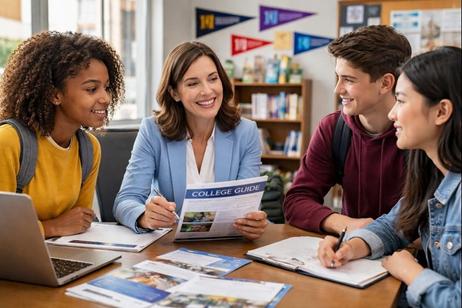
Strong counseling services are central to how public schools prepare for college. While counselor-to-student ratios vary, many districts have improved access to college advising through technology, partnerships, and dedicated college readiness staff.
What to Look for in Counseling Programs
Effective public school counseling programs typically include:
- Individual academic planning starting in ninth grade
- College and career exploration tools
- Course selection guidance aligned with college goals
- Financial aid and scholarship education
Many schools use platforms connected to the Common Application to help students understand college requirements early and track application progress later in high school.
Parents should ask how often students meet with counselors and how families are included in the college planning process.
Standardized Testing Preparation in 2026
Although standardized testing requirements continue to evolve, test preparation remains part of how public schools prepare for college.
Testing Options and Flexibility
In 2026, many colleges remain test-optional, but public schools still provide preparation for:
- SAT School Day administrations
- ACT testing opportunities
- PSAT and pre-ACT diagnostics
Public schools prepare for college by embedding test readiness into coursework and offering optional prep workshops or online resources. Families should understand whether testing is required for state graduation or scholarship eligibility in their area.
Career and College Readiness Programs
College preparation today goes beyond academics. Public schools prepare for college by helping students connect learning to long-term goals.
Career Pathways and Experiential Learning
Many public high schools offer:
- Career and technical education pathways
- Internships and job shadowing opportunities
- Project-based learning tied to real-world applications
These programs help students clarify whether a four-year college, community college, or blended pathway aligns best with their interests. Colleges increasingly value applicants who demonstrate purpose and engagement, not just grades.
Extracurricular Activities and Leadership Development
Admissions officers consistently emphasize involvement outside the classroom. Public schools prepare for college by offering a wide range of extracurricular options that support leadership, collaboration, and personal growth.
Common opportunities include:
- Student government and leadership councils
- Academic clubs and competitions
- Arts, music, and theater programs
- Athletics and wellness activities
- Community service initiatives
Parents should focus less on quantity and more on sustained involvement. Public schools prepare for college by encouraging students to explore interests deeply rather than accumulating superficial activities.
Social Emotional Learning and Student Well Being
An often overlooked aspect of how public schools prepare for college is social emotional development. Colleges expect students to manage independence, stress, and responsibility.
In response, many public schools now integrate:
- Advisory periods focused on goal setting and resilience
- Mental health resources and counseling access
- Time management and study skills instruction
These supports are especially important as students transition into high school and begin managing increased academic demands.
Equity and Access in College Preparation
A defining feature of public education is its commitment to serving all students. Public schools prepare for college by addressing opportunity gaps and expanding access to advanced learning.
Equity Focus Areas in 2026
Many districts have implemented:
- Open enrollment policies for advanced courses
- Targeted outreach to first-generation college students
- Fee waivers for exams and applications
Federal guidance from the U.S. Department of Education continues to emphasize college access and affordability, shaping how public schools prepare for college at the local level.
What Parents Can Do to Support College Preparation
Understanding how public schools prepare for college is only part of the equation. Family engagement strengthens outcomes.
Parents can support their child by:
- Reviewing course selections annually
- Encouraging regular communication with counselors
- Attending college planning events early
- Monitoring academic progress and well being
Starting these conversations in ninth grade reinforces the message that college preparation is a gradual, supported process.
Key College Preparation Elements at a Glance
| Area | How Public Schools Prepare for College |
|---|---|
| Academics | Standards aligned curriculum and advanced coursework |
| Counseling | Early planning, college exploration, application support |
| Testing | SAT, ACT, and diagnostic preparation |
| Career Readiness | Pathways, internships, experiential learning |
| Student Support | Social emotional learning and equity initiatives |
Final Thoughts
So how do public schools prepare for college in today’s educational landscape? The answer lies in a comprehensive approach that blends rigorous academics, personalized guidance, extracurricular engagement, and student support. As your child starts high school, understanding how public schools prepare for college allows you to partner effectively with educators and help your student make the most of these critical years.
College readiness is not built in a single semester. It is shaped day by day through thoughtful course choices, meaningful relationships, and steady growth. When families understand how public schools prepare for college, students are better positioned to graduate confident, capable, and ready for what comes next.