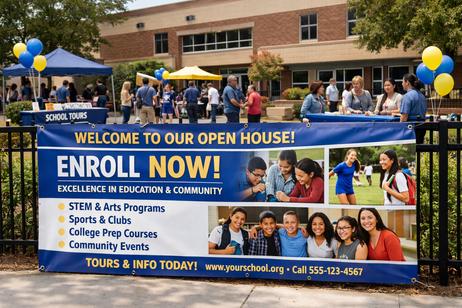
Why Public Schools Are Launching Marketing Campaigns
Public schools have traditionally relied on neighborhood boundaries and long-standing reputations to sustain enrollment. Today, that assumption no longer holds true. Across the country, districts are investing in branding, digital outreach, social media advertising, and community engagement strategies.
Why are public schools launching marketing campaigns? The answer lies in a combination of enrollment declines, increased school choice options, funding pressures, and a changing information landscape that has reshaped how families select schools.
In 2026, marketing is no longer viewed as optional or unconventional in public education. It is increasingly considered a strategic necessity.
Enrollment Declines and Funding Pressures
Public school funding is typically tied to enrollment. When student numbers drop, budgets follow.
According to data from the National Center for Education Statistics, public school enrollment has declined in many states since 2020, with some districts experiencing sustained losses through 2025 and into 2026. Contributing factors include:
- Lower birth rates
- Post-pandemic migration patterns
- Growth of homeschooling
- Expansion of charter schools and private school scholarships
- Increased use of education savings accounts
Many districts have faced difficult choices, including school consolidations and staff reductions. As a result, superintendents are shifting from passive enrollment models to proactive outreach efforts.
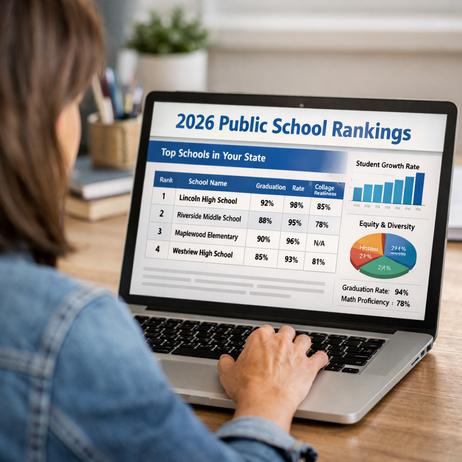
In communities where open enrollment policies allow families to attend schools outside their immediate neighborhoods, districts now compete not only with private schools but also with neighboring public systems. For parents comparing options, clear communication about academic performance, extracurricular offerings, and specialized programs is essential.
For families