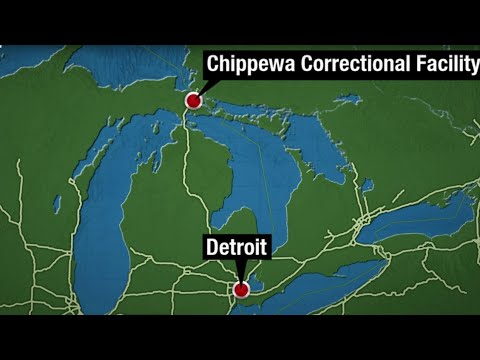
Chippewa Correctional Facility is a prison for men located in the Upper Peninsula of Michigan and part of the Michigan Department of Corrections. The 3 letter designation for this facility is URF.
Quick Facts (26-27)
- School Type: Alternative school
- Grades: 9-12
- Source: National Center for Education Statistics (NCES), MI Dept. of Education
School Overview
School Type
Grades Offered
Grades 9-12
(No virtual instruction)
(No virtual instruction)
School Motto
Si quaeris peninsulam amoenam circumspice, which translates, 'If you seek a pleasant peninsula, look about you.'
School Rankings
Participates in the National School Lunch Program (NSLP)
Yes
School Statewide Testing
School District Name
Source: National Center for Education Statistics (NCES), MI Dept. of Education
Frequently Asked Questions
What grades does Chippewa Correctional Facility offer ?
Chippewa Correctional Facility offers enrollment in grades 9-12 (No virtual instruction).
What school district is Chippewa Correctional Facility part of?
Chippewa Correctional Facility is part of Michigan Department Of Corrections School District.
School Reviews
Review Chippewa Correctional Facility. Reviews should be a few sentences in length. Please include any comments on:
- Quality of academic programs, teachers, and facilities
- Availability of music, art, sports and other extracurricular activities
Recent Articles

How Much Choice Do High School Students Have?
Learn how graduation requirements, prerequisites, electives, staffing, scheduling conflicts, AP courses, dual enrollment, and career pathways determine how much control high school students have over schedules each year.

Does Your Child Need More Recess?
Explore whether your child may benefit more from recess than another academic period, including research on attention, learning, physical activity, stress, social development, and school-day balance today.
Combined Grade Classrooms, What Parents Should Know
Learn how combined-grade classrooms work, why public schools use them, potential benefits and challenges, and the questions parents should ask before enrolling their child in one today.