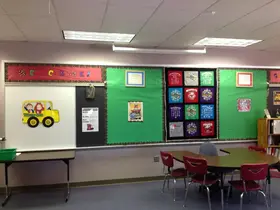
Cordova Jr/sr High School in Cordova, AK, has a student–teacher ratio of 11:1, which is lower than the state average ratio of 13:1, reflecting smaller class sizes than many Alaska public schools.
The school's math proficiency ranges from 40% to 44%, which is higher than the state average of 32% and slightly above the district average of 39%.
Reading proficiency at /sr High School is between 40% and 44%, higher than the state average of 29% and approximately equal to the district average of 40–44%.
Science proficiency is notably strong at 50–59%, placing the school in the top 20% statewide and above the state average of 38%, though below the district range of 60–64%.
Enrollment declined from 223 students in 2007 to 135 in 2023, with minority enrollment comprising 55% of the student body; the percentage of students eligible for free lunch increased from 34% in 2007 to 78% in 2023, indicating a rise in low–income student population.
Top Rankings
Cordova Jr/sr High School ranks among the top 20% of public schools in Alaska for:
Category
Attribute
Science Proficiency
Graduation Rate
School Overview
Grades Offered
Grades 7-12
(No virtual instruction)
Total Students
126 students
Total Classroom Teachers
11 teachers
Year Founded
1905
School Rankings
Overall Testing Rank
#145 out of 441 schools
(Top 50%)
(Top 50%)
Math Test Scores (% Proficient)
40-44%
32%
Reading/Language Arts Test Scores (% Proficient)
40-44%
29%
Science Test Scores (% Proficient)
50-59%
38%
Student-Teacher Ratio
11:1
15:1
American Indian
23%
22%
Asian
23%
5%
Hispanic
2%
8%
Black
n/a
2%
White
49%
47%
Hawaiian
n/a
3%
Two or more races
3%
13%
All Ethnic Groups
Graduation Rate
≥80%
78%
Chronically Absent Students
(22-23)38.1%
42.5%
Participates in the National School Lunch Program (NSLP)
Yes
Eligible for Free Lunch
66%
37%
Eligible for Reduced Lunch (21-22)
9%
4%
School Statewide Testing
School District Name
Sports
Colors
White, Silver
School Mascot
The Wolverine
Source: National Center for Education Statistics (NCES), AK Dept. of Education
Frequently Asked Questions
What is Cordova Jr/sr High School's ranking?
Cordova Jr/sr High School is ranked #145 out of 441 schools, which ranks it among the top 50% of public schools in Alaska.
What percent of students have achieved state testing proficiency in math and reading?
40-44% of students have achieved math proficiency (compared to the 32% AK state average), while 40-44% of students have achieved reading proficiency (compared to the 29% AK state average).
What is the graduation rate of Cordova Jr/sr High School?
The graduation rate of Cordova Jr/sr High School is 80%, which is higher than the Alaska state average of 78%.
How many students attend Cordova Jr/sr High School?
126 students attend Cordova Jr/sr High School.
What is the racial composition of the student body?
49% of Cordova Jr/sr High School students are White, 23% of students are American Indian, 23% of students are Asian, 3% of students are Two or more races, and 2% of students are Hispanic.
What is the student-teacher ratio of Cordova Jr/sr High School?
Cordova Jr/sr High School has a student ration of 11:1, which is lower than the Alaska state average of 15:1.
What grades does Cordova Jr/sr High School offer ?
Cordova Jr/sr High School offers enrollment in grades 7-12 (No virtual instruction).
What school district is Cordova Jr/sr High School part of?
Cordova Jr/sr High School is part of Cordova City School District.
Recent Articles
What Makes an Elementary School Feel Supportive?
Discover what makes one elementary school more supportive than another, from teacher relationships and family communication to classroom attention, belonging, student services, leadership, routines, and responsive academic support systems.
Second School Tour: Questions Parents Forget to Ask
A second school tour can reveal what families miss initially. Learn which questions to ask about teachers, support, schedules, safety, communication, programs, and everyday student life before enrolling.
Attendance Policies Are Changing: Parent Guide 2026
Attendance policies are changing across public schools. Learn what parents should examine about absences, tardiness, interventions, flexibility, communication, and student support before choosing a school for their child today.