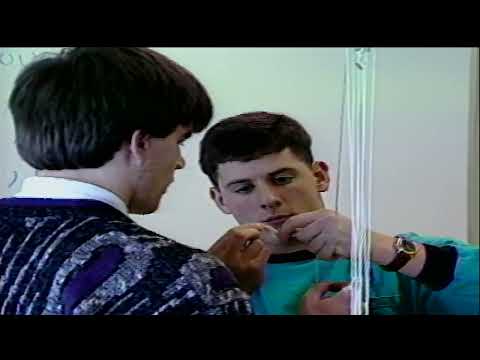
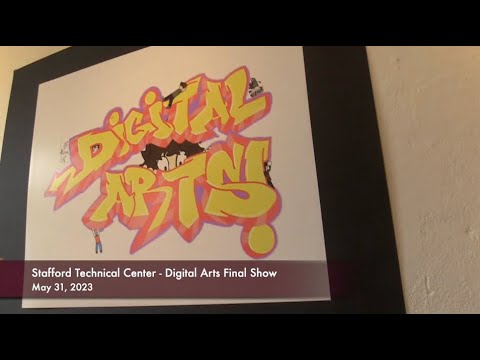
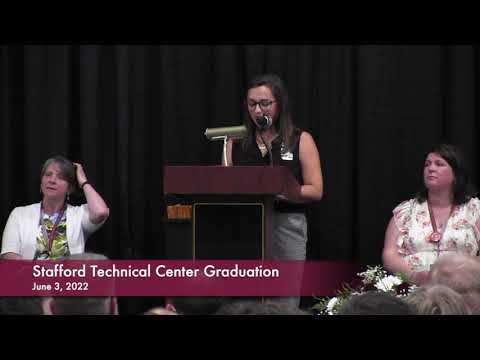
Stafford Technical Center is a technical school adjacent to Rutland High School, located in Rutland, Vermont. The school offers programs such as culinary arts, engineering, forestry and natural resources, video production, automotive technology, and cosmetology. There are 14 different full-day technical programs.
Quick Facts (26-27)
- School Type: Vocational school
- Grades: 9-12
- Source: National Center for Education Statistics (NCES), VT Dept. of Education
School Overview
The teacher population of 25 teachers has grown by 13% over five school years.
School Type
Grades Offered
Grades 9-12
(Supplemental Virtual)
(Supplemental Virtual)
Total Classroom Teachers
25 teachers
Year Founded
1974
School Calendar
School Motto
Your Success Starts Here
School Rankings
School Statewide Testing
School District Name
Source: National Center for Education Statistics (NCES), VT Dept. of Education
Frequently Asked Questions
What grades does Stafford Technical Center offer ?
Stafford Technical Center offers enrollment in grades 9-12 (Supplemental Virtual).
What school district is Stafford Technical Center part of?
Stafford Technical Center is part of Rutland City School District.
School Reviews
Review Stafford Technical Center. Reviews should be a few sentences in length. Please include any comments on:
- Quality of academic programs, teachers, and facilities
- Availability of music, art, sports and other extracurricular activities
Recent Articles

Can Your Child Get Into School Clubs and Activities?
Discover whether your child can access advertised school clubs and activities, including enrollment limits, tryouts, fees, transportation, scheduling conflicts, and essential questions parents should ask before choosing schools today.
Who Supervises Students When Their Teacher Is Out?
Discover who supervises students when regular teachers are absent, how schools arrange classroom coverage, what qualifications substitutes need, and which questions parents should ask about safety and learning continuity.

When the School Nurse Isn't There: Parent Guide
Learn what happens when school nurses are absent, how public schools handle medications and emergencies, and which essential questions parents should ask to protect their children's health and safety daily.