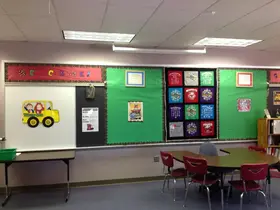
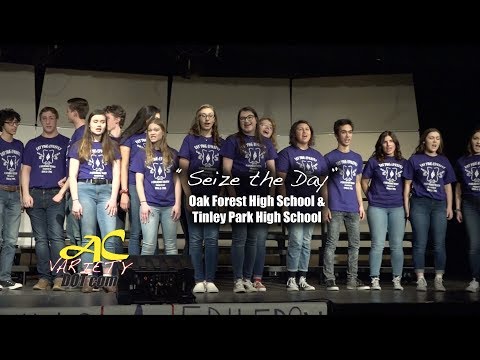
Serving 1,042 students in grades 9-12, Tinley Park High School ranks in the bottom 50% of all schools in Illinois for overall test scores (math proficiency is bottom 50%, and reading proficiency is bottom 50%).
The percentage of students achieving proficiency in math is 21% (which is lower than the Illinois state average of 27%). The percentage of students achieving proficiency in reading/language arts is 19% (which is lower than the Illinois state average of 30%).
The student-teacher ratio of 19:1 is higher than the Illinois state level of 13:1.
Minority enrollment is 57% of the student body (majority Hispanic and Black), which is higher than the Illinois state average of 55% (majority Hispanic).
Quick Facts (2026)
- Grades: 9-12
- Enrollment: 1,042 students
- Student-Teacher Ratio: 19:1
- Minority Enrollment: 57%
- Graduation Rate: 91% (Top 30% in IL)
- Overall Testing Rank: Bottom 50%
- Math Proficiency: 21% (Btm 50%)
- Reading Proficiency: 19% (Btm 50%)
- Science Proficiency: 34% (Btm 50%)
- Source: National Center for Education Statistics (NCES), IL Dept. of Education
School Overview
Tinley Park High School's student population of 1,042 students has declined by 6% over five school years.
The teacher population of 56 teachers has declined by 9% over five school years.
Grades Offered
Grades 9-12
Total Students
1,042 students
Total Classroom Teachers
56 teachers
Year Founded
1905
Campus Size
50 acres
School Motto
'Truth and Honor'
School Rankings
Tinley Park High School ranks within the bottom 50% of all 3,542 schools in Illinois (based off of combined math and reading proficiency testing data).
The diversity score of Tinley Park High School is 0.69, which is equal to the diversity score at state average of 0.69. The school's diversity has stayed relatively flat over five school years.
Overall Testing Rank
#2140 out of 3542 schools
(Bottom 50%)
(Bottom 50%)
Math Test Scores (% Proficient)
21%
27%
Reading/Language Arts Test Scores (% Proficient)
19%
30%
Science Test Scores (% Proficient)
34%
50%
Student-Teacher Ratio
19:1
13:1
American Indian
n/a
n/a
Asian
3%
6%
Hispanic
27%
29%
Black
25%
16%
White
43%
45%
Hawaiian
n/a
n/a
Two or more races
2%
4%
All Ethnic Groups
Graduation Rate
91%
87%
Chronically Absent Students
(22-23)26.4%
29.7%
Eligible for Free Lunch
33%
43%
Eligible for Reduced Lunch (11-12)
16%
27%
School Statewide Testing
School District Name
Source: National Center for Education Statistics (NCES), IL Dept. of Education
School Notes
- School Mascot: Wild Boars
Frequently Asked Questions
What is Tinley Park High School's ranking?
Tinley Park High School is ranked #2140 out of 3,542 schools, which ranks it among the bottom 50% of public schools in Illinois.
What schools are Tinley Park High School often compared to?
Tinley Park High Schoolis often viewed alongside schools like Victor J Andrew High School by visitors of our site.
What percent of students have achieved state testing proficiency in math and reading?
21% of students have achieved math proficiency (compared to the 27% IL state average), while 19% of students have achieved reading proficiency (compared to the 30% IL state average).
What is the graduation rate of Tinley Park High School?
The graduation rate of Tinley Park High School is 91%, which is higher than the Illinois state average of 87%.
How many students attend Tinley Park High School?
1,042 students attend Tinley Park High School.
What is the racial composition of the student body?
43% of Tinley Park High School students are White, 27% of students are Hispanic, 25% of students are Black, 3% of students are Asian, and 2% of students are Two or more races.
What is the student-teacher ratio of Tinley Park High School?
Tinley Park High School has a student ration of 19:1, which is higher than the Illinois state average of 13:1.
What grades does Tinley Park High School offer ?
Tinley Park High School offers enrollment in grades 9-12
What school district is Tinley Park High School part of?
Tinley Park High School is part of Bremen CHSD 228 School District.
School Reviews
4 10/10/2025
I graduated this school five years ago and it helped prepare me extremely well for college. A lot of my friends from this school went to Notre Dame, Michigan, Miami, Northwestern, and UChicago. There are a lot of reviews that say this school is terrible don''t send your kid here, but I challenge the people who wrote those reviews to post their grades and attendance records to see if they''re just mad that they didn''t take high school more seriously or if there is genuine need for improvement. Personally, I thought that the AP and honors classes at this school challenged me a lot and prepared me well for college where I graduated in 3 1/2 years due to AP credits. There is always room for improvement, with Tinley being no exception, but personally, I wouldn't change where I went because I received the right amount of attention, academic, and athletic opportunities.Parents, if you are thinking about sending your child here, do your research based off the schools curriculum, open houses, and community events. Don't listen to nameless trolls online who might just be clueless that they or their kids didn''t take things seriously in high school.
Review Tinley Park High School. Reviews should be a few sentences in length. Please include any comments on:
- Quality of academic programs, teachers, and facilities
- Availability of music, art, sports and other extracurricular activities
Recent Articles

Gifted, Honors, and Advanced Tracks: Are They Accessible or Just Advertised?
Learn how to evaluate gifted, honors, and advanced academic programs in public schools, including admission criteria, equity, and the questions every parent should ask.
Algebra Readiness: What Parents Should Ask Before Middle School
Discover how to determine if your child is ready for algebra before middle school, including the questions parents should ask and the skills students need to succeed.
How to Evaluate Reading Instruction in Your Zoned Elementary School
Learn how to evaluate reading instruction in your neighborhood elementary school by recognizing effective literacy practices, asking the right questions, and understanding what quality reading instruction looks like.