Public School Safety

A comprehensive look at the safety of US public schools. Learn what schools are doing to combat gangs and drugs, prepare for natural disasters, and protect your children from predators. From web cameras to armed guards, see what tools public schools are employing to keep kids safe.

View the most popular articles in Public School Safety:

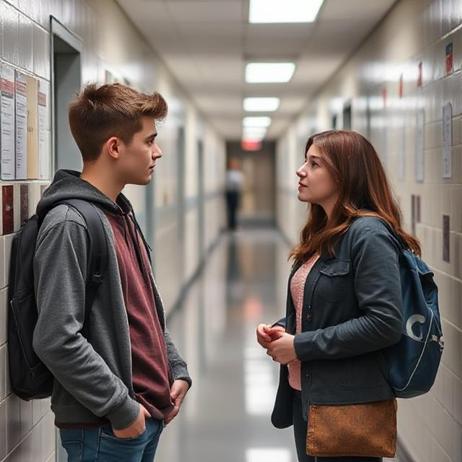
What Public Schools Are Doing to Support Mental Health in 2025

Updated
|
What Public Schools Are Doing to Support Mental Health in 2025
An authoritative review of how public schools are expanding mental-health support in 2025 through in-school services, screening, and partnerships for students and families.

As mental health concerns among children and adolescents continue to rise, public schools are playing an increasingly vital role in providing early intervention, support and referrals. In 2025 many public schools are embracing multi-layered strategies to support student wellbeing: embedding prevention efforts, bolstering school-based services, enhancing screening, and engaging families and communities. This article explores current practices, challenges and examples of how public schools are supporting mental health in 2025.

Why mental health support in public schools matters

Public schools are uniquely positioned to address student mental health for several reasons: they act as accessible sites for young people, they can promote social-emotional development within the school environment, and they can coordinate with community mental health resources. Research shows that when students feel connected to their school and supported in their emotional wellbeing, outcomes improve. learningpolicyinstitute.org+2cdc.gov

Yet the need remains high: more than half of students with mental health concerns go without adequate support. Against this backdrop, public schools are increasingly adopting practices to respond to student mental health in 2025.

Key strategies being implemented

Below are four major strategies public schools are using in 2025 to support mental health.

  1. Expanding school-based mental health services

    One of the most direct approaches is increasing in-school mental health professionals and services. For example, the U.S. federal School‑Based Mental Health Services Grant Program (SBMH) is raising the number of credentialed providers in schools.

    Benefits of this approach include:

    • Students access services where they already are, reducing barriers of travel or external

. . .read more

How Public Schools Support Students on Free / Reduced-Lunch Programs

Updated
|
How Public Schools Support Students on Free / Reduced-Lunch Programs
Explore how U.S. public schools support students eligible for free or reduced-price lunch through nutrition, academic, and wraparound services in 2025.

Public schools play an essential role in supporting students from low-income households — especially those eligible for free or reduced-price lunch (FRPL). This article outlines how public schools support students on free/reduced-price lunch programs, examines key strategies in 2025, and presents insights for parents, educators, and policymakers.

Understanding the Free/Reduced-Price Lunch Program

The federal National School Lunch Program (NSLP) offers free or reduced-price meals to eligible students. Eligibility is determined based on family income: children from households at or below 130% of the federal poverty level qualify for free meals, and those between 130%–185% for reduced-price meals.

Statistics from recent data:

  • More than 95,000 schools serve lunches to approximately 29.7 million students daily.
  • Schools where a large share of students qualify for FRPL are more likely to offer additional nutrition-related programs. Economic Research Service

Thus, being eligible for free or reduced-price lunch signals significant need — and schools aim to respond with structured support.

Key Support Strategies in Public Schools

Public schools use a range of strategies to support students eligible for free/reduced-price lunch programs:

  1. Ensuring Access to Nutritious Meals

    By providing free or reduced-price lunches — and in some cases breakfasts — schools help reduce food insecurity and nutrition shortfalls. Research shows students participating in school meals:

    • Are less likely to experience food insecurity.
    • Consume more fruits, vegetables, and milk; less sugar, fats and snacks from home-packed lunches.
    • Experience lower rates of obesity and poor health outcomes when meals are provided free in high-poverty schools. Health Systems and
. . .read more

Preventing Suicide in Schools: 2025 Guide for Educators & Families

Updated
|
Preventing Suicide in Schools: 2025 Guide for Educators & Families
Explore the latest 2025 insights, policy updates and school-based strategies for suicide prevention in K-12 settings.

Introduction

Every year, the tragic loss of a child or teen to suicide reminds schools, families and communities of the urgent need for thoughtful, coordinated prevention efforts. While the focus of this article is K-12 school settings (including boarding schools), the lessons apply broadly to any educational environment where young people spend significant time. Our goal is to equip parents, educators and students with current evidence, policy context, practical steps and real-world examples to prevent suicide in schools.

The Scope of the Problem in 2025

Recent data show that youth suicide and suicidal ideation remain serious challenges. According to the Jed Foundation, 40% of high school students reported persistent feelings of sadness or hopelessness in the past year. Among high school students, 20.4% reported seriously considering suicide in the past year; overall, 9.5% attempted suicide. At the national level, the age-adjusted suicide rate in the United States was 14.12 per 100,000 in 2023. In 2024, some states experienced alarming surges: for example, in Georgia youth suicides rose by 70% in one year. These figures illustrate that suicide remains the second-leading cause of death for adolescents and young adults ages 10–34. Schools are therefore a frontline environment for prevention, since students spend much of their day there, and many warning signs may present within the educational setting.

Why Schools Matter – and What to Focus On

In the school setting, prevention efforts must address multiple dimensions: promoting protective factors, identifying risk indicators early, ensuring timely referral and intervention,

. . .read more

How Public Schools Tackle Chronic Absenteeism (Post-Pandemic)

Updated
|
How Public Schools Tackle Chronic Absenteeism (Post-Pandemic)
Public schools deploy data, early warning systems & wrap-around supports to combat chronic absenteeism in the post-COVID era.

How Public Schools Are Responding to Chronic Absenteeism Post-Pandemic

Chronic absenteeism—typically defined as missing 10% or more of school days—has emerged as one of the most persistent challenges for public schools in the post-pandemic era. After spiking during COVID-19, rates have remained elevated, prompting school districts nationwide to renew strategies to reengage students.

This article examines how public schools are confronting chronic absenteeism today: the strategies in use, early outcomes, remaining obstacles, and promising innovations to watch.

The Post-Pandemic Landscape: Why Schools Are Still Wrestling With Absences

Elevated Rates and Uneven Recovery

  • In the 2024–25 school year, chronic absenteeism in many districts remained above pre-pandemic levels, with some urban districts reporting 30% or more of students missing 10%+ of days. RAND Corporation

  • According to AEI data, absenteeism fell modestly (to ~23.5%) in recent years, but still hovers well above the ~15% pre-COVID benchmark.

  • Some districts are improving, but many are not on pace to return to pre-pandemic norms, especially in high-poverty or urban settings. The 74 Million

Why Does It Persist?

Schools and researchers cite multiple interlocking causes:

  • Habits and norms shifted during the pandemic. Some students and families adapted to looser structures, remote learning flexibility, or more lenient attendance enforcement, making reentry to rigid in-class norms harder.

  • Health, well-being, and mental health challenges. Ongoing illnesses, anxiety, and mental health strains contribute to frequent absences.

  • Structural and access barriers. Transportation, housing instability, childcare needs, or family obligations can

. . .read more

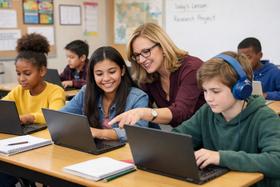
Public Schools & Learning Styles 2025: How Adaptable Are They?

Updated
|
Public Schools & Learning Styles 2025: How Adaptable Are They?
Discover 2025 updates on how public schools support diverse learning styles—including adaptive practices, tech, and inclusion—for parents and educators.

How Well Are Public Schools Adapting to Your Child’s Learning Style?

Introduction

For years, educators have recognized that children learn in different ways—visually, auditorily, through movement, or through reading and writing. Today, more than ever, schools are expected to adapt to these diverse learning styles. In 2025, however, research also cautions against rigid “style matching.” This article examines current trends in how public schools are addressing the challenge with clarity and a forward-thinking mindset.

The Changing View: Learning Styles—Myth or Motivation?

While the concept of learning styles remains influential among educators and parents, recent scholarship emphasizes that rigid matching to a preferred style doesn’t necessarily boost academic outcomes. A clear overview of this controversy can be found on a University of Michigan resource questioning the learning-styles myth. ( Online Teaching )

At the same time, flexible and inclusive learning remains essential. A 2024 study published in ScienceDirect demonstrates that differentiated instruction—customizing content, assessments, and methods—boosts engagement and learning. ( ScienceDirect )

What’s New in 2025: Adaptive Teaching in Practice

AI and Personalized Learning Tools

Personalized learning technology is expanding rapidly. As of 2025, the AI education market is valued at $7.57 billion and is projected to skyrocket in coming years. ( engageli.com )

These technologies—including adaptive platforms like Squirrel AI or Microsoft’s Reading Coach—enable educators to tailor instruction based on individual student needs and performance patterns. (Digital Learning Institute)

Flexible Learning Environments

Schools increasingly design learning spaces around diverse needs.

. . .read more

Recent Articles

How Often Does Your Child's School Change Teachers Between Grade Levels?
Learn how teacher movement between grade levels affects continuity, experience, instruction, and school stability, plus the questions parents should ask about staffing patterns before choosing a public school today.
The School Pickup Test: What Arrival and Dismissal Reveal About a Public School
Discover what school arrival and dismissal reveal about safety, supervision, organization, communication, student behavior, transportation, and school climate before choosing the right public school for your child and family.
Should Siblings Attend the Same Public School?
Should siblings attend the same public school? Learn when academic needs, learning styles, programs, social fit, support services, and individual interests may make different schools better choices for children.