
For the 2026-27 school year, there are 2 public elementary schools serving 446 students in Bismarck R-V School District. This district's average elementary testing ranking is 2/10, which is in the bottom 50% of public elementary schools in Missouri.
Public Elementary Schools in Bismarck R-V School District have an average math proficiency score of 22% (versus the Missouri public elementary school average of 42%), and reading proficiency score of 29% (versus the 42% statewide average).
Minority enrollment is 5% of the student body (majority Hispanic), which is less than the Missouri public elementary school average of 33% (majority Black).
Overview
This School District
This State (MO)
# Schools
2 Schools
1,730 Schools
# Students
446 Students
571,156 Students
# Teachers
37 Teachers
47,204 Teachers
Student-Teacher Ratio
12:1
12:1
Student By Grade
District Rank
Bismarck R-V School District, which is ranked within the bottom 50% of all 553 school districts in Missouri (based off of combined math and reading proficiency testing data) for the 2022-2023 school year.
The school district's graduation rate of 90% has increased from 80% over five school years.
Overall District Rank
#486 out of 555 school districts
(Bottom 50%)
(Bottom 50%)
Showing 2013–2023. Full 14-year historical data available below ↓
Math Test Scores (% Proficient)
22%
40%
Showing 2013–2023. Full 14-year historical data available below ↓
Reading/Language Arts Test Scores (% Proficient)
30%
43%
Showing 2012–2022. Full 13-year historical data available below ↓
Science Test Scores (% Proficient)
20-24%
38%
Graduation Rate
(21-22)≥90%
90%
Showing 2013–2022. Full 12-year historical data available below ↓
Chronically Absent Students
(2022-23)23.7%
20.5%
Students by Ethnicity:
Diversity Score
0.09
0.53
Showing 2014–2023. Full 32-year historical data available below ↓
% American Indian
n/a
n/a
% Asian
n/a
2%
% Hispanic
3%
9%
Showing 2014–2023. Full 32-year historical data available below ↓
% Black
1%
16%
% White
95%
67%
Showing 2014–2023. Full 32-year historical data available below ↓
% Hawaiian
n/a
n/a
% Two or more races
1%
6%
All Ethnic Groups
District Revenue and Spending
The revenue/student of $15,309 in this school district is less than the state median of $17,244. The school district revenue/student has grown by 25% over four school years.
The school district's spending/student of $14,043 is less than the state median of $16,653. The school district spending/student has grown by 27% over four school years.
Total Revenue
$7 MM
$15,255 MM
Showing 2014–2023. Full 34-year historical data available below ↓
Spending
$6 MM
$14,732 MM
Showing 2014–2023. Full 34-year historical data available below ↓
Revenue / Student
$15,309
$17,244
Showing 2014–2023. Full 34-year historical data available below ↓
Spending / Student
$14,043
$16,653
Showing 2014–2023. Full 34-year historical data available below ↓
Best Bismarck R-V School District Public Elementary Schools (2026-27)
School
(Math and Reading Proficiency)
(Math and Reading Proficiency)
Location
Quick Facts
Rank: #11.
Bismarck R-v Elementary School
(Math: 35-39% | Reading: 30-34%)
Rank:
Rank:
4/
Bottom 50%10
165 Campus Drive
Bismarck, MO 63624
(573) 734-6111
Bismarck, MO 63624
(573) 734-6111
Gr: PK-5 | 207 students Student-teacher ratio: 12:1 Minority enrollment: 3%
Rank: #22.
Bismarck R-v High School
(Math: 10-14% | Reading: 25-29%)
Rank:
Rank:
2/
Bottom 50%10
165 Campus Drive
Bismarck, MO 63624
(573) 734-6111
Bismarck, MO 63624
(573) 734-6111
Gr: 6-12 | 239 students Student-teacher ratio: 13:1 Minority enrollment: 6%
Recent Articles

How Much Choice Do High School Students Have?
Learn how graduation requirements, prerequisites, electives, staffing, scheduling conflicts, AP courses, dual enrollment, and career pathways determine how much control high school students have over schedules each year.

Does Your Child Need More Recess?
Explore whether your child may benefit more from recess than another academic period, including research on attention, learning, physical activity, stress, social development, and school-day balance today.
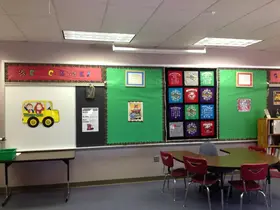
Combined Grade Classrooms, What Parents Should Know
Learn how combined-grade classrooms work, why public schools use them, potential benefits and challenges, and the questions parents should ask before enrolling their child in one today.