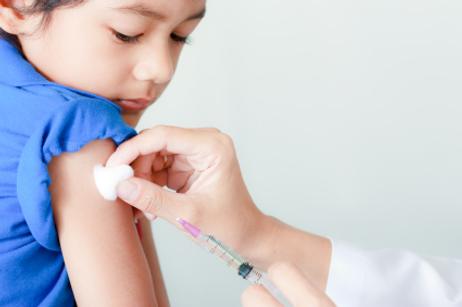
Depending on your child’s school and state policies, your son or daughter may not be able to attend their first day of class until they’re fully vaccinated. In an attempt to reduce common illnesses and eliminate potentially fatal or harmful diseases, medical leaders have created mandates that command all kids to be vaccinated. According to many experts, students who are not vaccinated are susceptible to an array of prospective health issues.
While these regulations were created to help protect all children, many parents argue that the vaccines pose too many unknown risks. Ultimately, a new debate has emerged: are these mandatory vaccines helping or hurting our children?
Why Vaccinate?
According to CNN News, by the time a child is 2 years old, he or she has most likely been injected with over 20 vaccines to prevent various health problems. Aligning with this early treatment method, most public schools demand that all children are vaccinated for common child-related sicknesses, including vaccines to prevent illnesses such as:
- Mumps
- Measles
- Chickenpox
- Flu
- Meningitis
- Tetanus
In addition to a wide spectrum of other potential preventative vaccines, the Center for Disease Control and Prevention (CDCP) asserts that immunization regulations must be enforced to protect all children in society. Ultimately, with the support of vaccinations, medical leaders, along with CDCP, believe that optimal immunization against illnesses is the best way to prevent a widespread breakout of common contagious diseases. Since children are forced into a small classroom area with countless physical interactions in a given day, experts assert that regulations help to keep each child safe and healthy.
Do Vaccines Violate Human Rights?
While medical leaders contest that vaccines help protect kids, there are an array of social groups who are adamantly opposed to mandatory vaccinations. In fact, some anti-vaccination groups argue that mandatory vaccines are a violation of human rights, as they force children to undergo procedures that some parents often find seriously harmful.
In fact, as CNN News further explains, many United States parents believe that the excess of mandatory vaccines is actually harming children’s immune systems. Many opposed to vaccines assert that new studies must be conducted to verify whether or not common mandatory vaccinations lead to various common health disorders that are now on the rise in young children.
For example, in the past 20 years, U.S. statistics prove that children are experiencing doubled rates of learning disabilities and Attention Deficit Disorder, tripled rates of diabetes, doubled rates of asthma, and a rise in autism at in every single state at the rate of 600 percent! As CNN News further argues, “We have a lot of kids who are sick, and we need to find out why. And we need to know whether or not the many vaccines we're giving our children are contributing to this rise in chronic disease and disability.”
While there are currently no clear reports that link specific vaccines with the various rise in mental and physical illnesses in kids, parents argue that kids should not be forced to endure these immunizations until there are more significant long-term studies and examinations of the various implications and side effects of these drugs.
Is Anti-Immunization Harmful?
Ultimately, while many parents are opposed to immunizing their kids, individuals in favor of mandatory vaccinations argue that the anti-immunization groups are simply taking advantage of the benefit of mandatory drugs. Essentially, the only reason that anti-vaccination parents are able to often override mandatory vaccine rules is due to the fact that so many kids in a population are in fact protected from the diseases with the required shots; therefore, if most of the vaccinated children are prevented from contracting a specific disease, then most of the unvaccinated children are not at risk to catching the said disease. As a result, an entire society of un-vaccinated kids could be seriously dangerous!
In fact, as more parents have contested the required vaccines for their children, some areas have seen a rise in “older” and preventable diseases. As AJC Research explains, “Children who have obtained legal exemptions from shots based on medical or religious reasons, as well as children who lack vaccinations or required forms but are within a legally allowed waiver period” are permitted to be excused from mandatory vaccinations prior to attending school. While this provides some children and families with more medical freedoms, many opposed to anti-immunization beliefs assert that the unprotected children are at a serious risk for an array of potential dangers.
- Questions? Contact us on Facebook @publicschoolreview. *