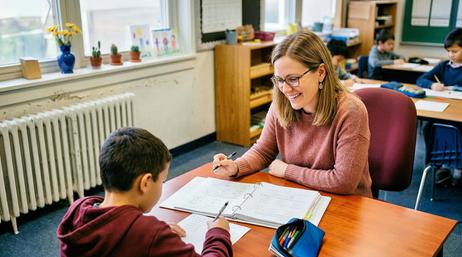
Choosing a public school involves much more than comparing test scores or graduation rates. While academic performance is important, it doesn't always reflect what students experience each day. A school's climate, the overall quality of its learning environment, relationships, and sense of safety, plays a major role in a child's academic success and emotional well-being.
Students who feel welcomed, respected, and supported are more likely to attend school regularly, participate in class, and build positive relationships with teachers and classmates. Conversely, schools with ongoing discipline problems, poor communication, or weak student engagement can make learning more difficult, regardless of their academic reputation.
The good news is that parents can often identify potential school climate issues before enrollment. By combining campus visits with public data, conversations with current families, and careful observation, you can gain a much clearer picture of what daily life is actually like inside a school.
What Is School Climate?
School climate refers to the overall character of a school. It encompasses everything from student behavior and teacher relationships to safety, communication, inclusiveness, and the way problems are handled. Although these qualities can be difficult to measure, they often have a lasting impact on a student's educational experience.
According to the National Center for Education Statistics (NCES), positive school climates are associated with stronger academic achievement, higher attendance rates, and fewer disciplinary issues. Schools that prioritize student well-being often create environments where children are more willing to participate, collaborate, and challenge themselves academically. Parents interested in learning more about how school climate is measured can explore the ED School Climate Surveys (EDSCLS).
No school is perfect, and every campus experiences occasional challenges. The goal isn't to find a flawless school but to determine whether concerns are isolated incidents or signs of broader cultural problems.
Look Beyond Academic Performance
It's easy to be impressed by high standardized test scores or impressive college acceptance statistics, but these numbers don't reveal whether students enjoy attending school or feel supported when challenges arise.
Instead, begin your research by reviewing your state's school report card. Most state Departments of Education publish information on attendance rates, chronic absenteeism, graduation rates, student achievement growth, and disciplinary data. Looking at these indicators together often provides a more balanced understanding of a school's overall health.
For example, a school with strong academic performance but unusually high suspension rates or chronic absenteeism may warrant additional questions. Likewise, a school showing steady academic growth alongside high student attendance may indicate a positive learning environment, even if its overall test scores aren't the highest in the district.
Observe the School During a Normal Day
One of the most valuable parts of any school visit occurs outside the classroom presentation. Rather than focusing solely on modern facilities or technology, spend time observing how students and staff interact throughout the day.
Notice whether teachers greet students by name, whether students appear comfortable asking questions, and whether hallways feel orderly without seeming overly restrictive. Pay attention during class changes, lunch periods, and dismissal. These unscripted moments often provide a more accurate picture of school culture than a carefully planned admissions presentation.
A healthy school climate usually feels welcoming rather than rigid. Students appear engaged, teachers interact naturally with one another, and administrators are visible throughout the building instead of remaining behind office doors.
Watch How Teachers Connect With Students
Teachers have an enormous influence on a school's climate because they shape the daily experiences of students.
As you observe classrooms, look beyond the lesson itself. Consider whether teachers encourage participation, answer questions respectfully, and maintain positive relationships with students. Even brief interactions in hallways or common areas can reveal whether mutual respect exists between faculty and students.
Schools with positive climates often foster strong relationships that extend beyond classroom instruction. Teachers know their students well, recognize their accomplishments, and provide support when challenges arise.
Ask Meaningful Questions About Bullying
Every school experiences occasional conflicts between students. What distinguishes a healthy school climate is how those situations are handled.
Rather than asking administrators whether bullying exists, ask them to explain their process for preventing, investigating, and responding to incidents. Schools with well-developed procedures are usually happy to explain how concerns are reported, how families are notified, and what support is available for affected students.
Parents can also review the StopBullying.gov guide on preventing bullying, which outlines warning signs, prevention strategies, and effective ways families and schools can work together. For additional guidance specific to public schools, Public School Review's article, Bullying Prevention in Public Schools: Family Guide 2026, offers practical advice on evaluating a school's approach to student safety and respect.
Evaluate Student Support Services
Academic success depends on more than strong instruction. Students also need access to support when they encounter academic, social, or emotional challenges.
During your visit, ask about the availability of school counselors, psychologists, social workers, and academic intervention programs. Find out how new students are welcomed into the school community and what resources are available if a student begins struggling academically or socially after enrollment.
Schools that invest in comprehensive student support often create environments where students feel comfortable seeking help before small problems become larger ones.
Review Discipline Practices Carefully
Discipline policies reveal a great deal about a school's overall philosophy.
Ask administrators to explain how behavioral issues are addressed and how families are involved throughout the process. Listen for evidence that expectations are communicated clearly and applied consistently. Effective schools balance accountability with opportunities for students to learn from mistakes and improve their behavior.
Pay attention not only to the written policies but also to how administrators describe them. Schools with healthy climates typically discuss discipline as one part of building a respectful learning community rather than as a list of punishments.
Speak With Current Parents
No brochure or website can fully capture what daily life is like inside a school. Current parents often provide valuable perspectives because they have experienced the school's communication, responsiveness, and culture firsthand.
Ask open-ended questions about their experiences. Instead of simply asking whether they like the school, encourage them to describe how teachers communicate, how concerns are handled, and whether they would choose the same school again. Looking for common themes across several conversations will usually provide a more balanced perspective than relying on a single opinion.
Listen to Students, Not Just Adults
While administrators and teachers can explain a school's policies, students often provide the clearest picture of what it's actually like to attend the school every day.
If possible, ask whether you can speak with a few current students during your visit. Their responses to simple questions can be surprisingly revealing. Ask what they enjoy most about the school, whether teachers are approachable, how new students are welcomed, and if they feel safe on campus. You might also ask what they would change if they had the opportunity.
Students don't need to give perfect answers. In fact, balanced responses that include both strengths and areas for improvement often sound more genuine than rehearsed praise. If multiple students independently describe supportive teachers, welcoming classmates, or a strong sense of community, those observations can reinforce what you've seen elsewhere.
Consider Teacher Stability
Teachers are central to creating a positive school climate, and schools with stable, experienced staffs often provide greater consistency for students.
Ask administrators about teacher retention and professional development opportunities. While some turnover is expected each year, frequent staff changes can disrupt classroom instruction and make it more difficult for students to build lasting relationships with educators.
During your visit, notice how teachers interact with one another. Friendly, collaborative relationships among staff members often reflect positive leadership and contribute to a healthier learning environment for students.
Evaluate Communication With Families
A school's communication style during the enrollment process often reflects how it communicates once students are enrolled.
Pay attention to how quickly emails and phone calls are returned and whether your questions receive clear, thoughtful answers. Ask how parents are informed about academic progress, attendance concerns, behavioral issues, and upcoming school events.
Schools that communicate openly and consistently help build trust with families. When parents feel informed and included, they're better equipped to support their children's education and address concerns before they become larger problems.
Look Beyond Rankings
School rankings can be useful starting points, but they should never be the sole basis for choosing a school.
A highly ranked school may not be the best fit if students report feeling disconnected or unsupported. Likewise, a school with average academic rankings may provide exceptional relationships, dedicated teachers, and a welcoming culture that allows students to thrive.
As you compare schools, consider reading Public School Review's article, How to Compare Public School Value Beyond Test Scores, which explains why families should evaluate a variety of factors instead of focusing exclusively on academic rankings.
Watch for Warning Signs
No school is without challenges, but certain patterns deserve closer attention before you enroll your child.
Be cautious if you notice administrators avoiding difficult questions, frequent reports of teacher turnover, consistently negative feedback from multiple families, or students who appear disengaged during your visit. High rates of chronic absenteeism or disciplinary issues may also warrant additional research.
At the same time, remember that no single statistic tells the entire story. Schools serve different communities and face different challenges. The goal is to gather information from multiple sources before reaching a conclusion.
Build a Complete Picture
Choosing a public school is rarely about finding perfection. Instead, it's about finding a school where your child will feel safe, supported, challenged, and connected.
Use state accountability reports, school visits, conversations with current families, and publicly available data together rather than relying on any single source. The National Center for Education Statistics provides additional information about public schools and education trends at https://nces.ed.gov, making it another valuable resource as you compare your options.
Remember that school climate is something you can often sense during a visit. Friendly interactions, engaged students, approachable teachers, and transparent communication usually indicate a healthy learning environment that extends beyond what can be measured by test scores alone.
Final Thoughts
Choosing a public school is one of the most important decisions families make, and school climate deserves just as much attention as academics. Students learn best when they feel respected, supported, and connected to their school community.
Before making your final decision, spend time observing the campus, asking thoughtful questions, reviewing publicly available data, and speaking with current parents and students. Looking beyond rankings and test scores can help you identify schools where children not only achieve academically but also develop confidence, resilience, and a genuine sense of belonging.
By taking a comprehensive approach to evaluating school climate before enrolling, you'll be better prepared to choose a public school where your child can succeed both inside and outside the classroom.