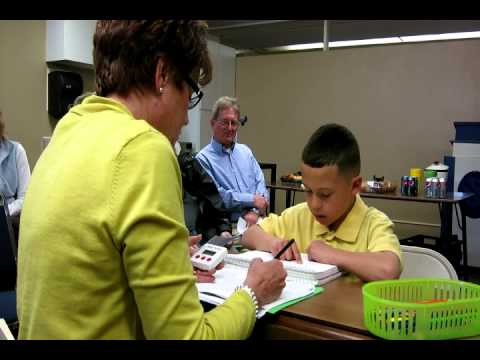
Serving 167 students in grades Kindergarten-2, Alice Terry Elementary School ranks in the bottom 50% of all schools in Colorado for overall test scores (math proficiency is bottom 50%, and reading proficiency is bottom 50%).
The percentage of students achieving proficiency in math is 55% (which is lower than the Colorado state average of 57%). The percentage of students achieving proficiency in reading/language arts is 53% (which is lower than the Colorado state average of 69%).
The student-teacher ratio of 15:1 is equal to the Colorado state level of 15:1.
Minority enrollment is 84% of the student body (majority Hispanic), which is higher than the Colorado state average of 51% (majority Hispanic).
Quick Facts (2026)
- Grades: Kindergarten-2
- Enrollment: 167 students
- Student-Teacher Ratio: 15:1
- Minority Enrollment: 84%
- Math Proficiency: 55%
- Reading Proficiency: 53%
- Source: National Center for Education Statistics (NCES), CO Dept. of Education
School Overview
Alice Terry Elementary School's student population of 167 students has declined by 15% over five school years.
The teacher population of 11 teachers has declined by 15% over five school years.
Grades Offered
Grades Kindergarten-2
(No virtual instruction)
Total Students
167 students
Total Classroom Teachers
11 teachers
School Calendar
School Motto
The District will provide a safe, productive learning environment.
School Rankings
The diversity score of Alice Terry Elementary School is 0.40, which is less than the diversity score at state average of 0.63. The school's diversity has stayed relatively flat over five school years.
Math Test Scores (% Proficient)
(13-14)55%
57%
Reading/Language Arts Test Scores (% Proficient)
(13-14)53%
69%
Student-Teacher Ratio
15:1
15:1
American Indian
n/a
1%
Asian
2%
3%
Hispanic
76%
37%
Black
3%
5%
White
16%
49%
Hawaiian
1%
n/a
Two or more races
2%
5%
All Ethnic Groups
Chronically Absent Students
(22-23)40.7%
33.6%
Eligible for Free Lunch
76%
39%
Eligible for Reduced Lunch
8%
5%
School Statewide Testing
School District Name
Source: National Center for Education Statistics (NCES), CO Dept. of Education
Frequently Asked Questions
What percent of students have achieved state testing proficiency in math and reading?
55% of students have achieved math proficiency (compared to the 57% CO state average), while 53% of students have achieved reading proficiency (compared to the 69% CO state average).
How many students attend Alice Terry Elementary School?
167 students attend Alice Terry Elementary School.
What is the racial composition of the student body?
76% of Alice Terry Elementary School students are Hispanic, 16% of students are White, 3% of students are Black, 2% of students are Asian, 2% of students are Two or more races, and 1% of students are Hawaiian.
What is the student-teacher ratio of Alice Terry Elementary School?
Alice Terry Elementary School has a student ration of 15:1, which is equal to the Colorado state average of 15:1.
What grades does Alice Terry Elementary School offer ?
Alice Terry Elementary School offers enrollment in grades Kindergarten-2 (No virtual instruction).
What school district is Alice Terry Elementary School part of?
Alice Terry Elementary School is part of Sheridan School District No. 2.
School Reviews
Review Alice Terry Elementary School. Reviews should be a few sentences in length. Please include any comments on:
- Quality of academic programs, teachers, and facilities
- Availability of music, art, sports and other extracurricular activities
Recent Articles

Phone Bans Are Expanding: Will They Actually Help Your Child?
Phone bans are spreading in public schools nationwide. Learn how to evaluate whether a school's cellphone policy will improve your child's learning and well-being.
Should You Move for a Better Public School or Stay Put?
Considering a move to a higher-rated public school? Learn how to weigh school quality, housing costs, and family priorities before relocating.
How to Compare Public School Value Beyond Test Scores
Learn how to evaluate public school value using student support, school climate, opportunities, and outcomes, not just standardized test scores.