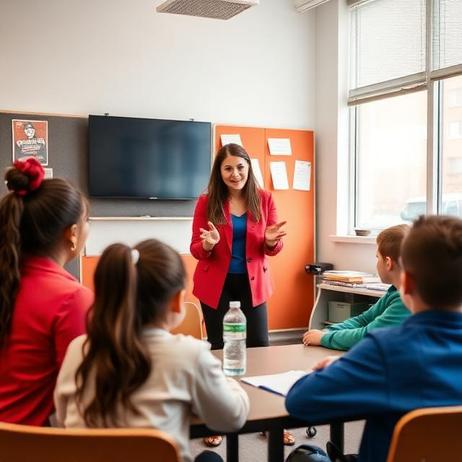
The debate over smaller class sizes remains central to education policy in 2026. Parents often assume that fewer students automatically lead to better outcomes, while districts must weigh the financial and logistical realities of reducing class size. The truth lies somewhere in between.
This updated analysis examines the benefits and trade-offs of smaller class sizes, drawing on recent research, policy developments, and real-world school practices.
What Are Smaller Class Sizes?
Class size refers to the number of students assigned to a teacher in a classroom. While definitions vary, most educators consider:
- Small classes: 15–18 students
- متوسط classes: 19–25 students
- Large classes: 26+ students
Policies on class size differ widely across states. According to the National Center for Education Statistics, average class sizes in U.S. public schools have remained relatively stable, though some districts have recently prioritized reductions in early grades.
The Benefits of Smaller Class Sizes
1. More Individualized Instruction
One of the most widely cited advantages of smaller class sizes is the ability for teachers to provide personalized attention. With fewer students:
- Teachers can adapt lessons to different learning styles
- Students receive more direct feedback
- Struggling learners are identified earlier
Research from the Tennessee STAR Project continues to influence policy discussions, showing long-term academic gains for students in smaller classes, especially in early grades.
2. Improved Student Engagement
Smaller classrooms tend to foster stronger participation. Students are more likely to:
- Ask questions
- Engage in discussions
- Build confidence in expressing ideas
This aligns with findings from the Brookings Institution, which notes that engagement often increases when teachers can interact more frequently with each student.
3. Better Classroom Management
Fewer students typically means fewer behavioral disruptions. Teachers can:
- Monitor student behavior more closely
- Address issues before they escalate
- Maintain a more focused learning environment
For parents concerned about discipline, smaller class sizes may contribute to a more structured and supportive classroom experience.
4. Stronger Teacher-Student Relationships
Smaller classes allow educators to build deeper connections with students. These relationships are linked to:
- Higher academic motivation
- Improved attendance
- Better social-emotional development
For additional insight into school environment factors, see The Pros and Cons of Public School.
The Drawbacks of Smaller Class Sizes
1. Higher Costs for Schools and Districts
Reducing class size requires significant investment. Districts must:
- Hire more teachers
- Build or expand classrooms
- Increase administrative resources
According to the Learning Policy Institute, class size reduction is one of the most expensive education reforms, particularly when implemented at scale.
2. Teacher Quality May Be Diluted
When districts rapidly reduce class sizes, they often need to hire additional teachers quickly. This can lead to:
- Less experienced educators entering classrooms
- Increased reliance on emergency certifications
- Variability in instructional quality
In some cases, teacher effectiveness has a greater impact on student outcomes than class size alone.
3. Limited Impact in Upper Grades
While smaller class sizes show strong benefits in early education, research suggests diminishing returns in middle and high school settings.
Older students tend to benefit more from:
- Advanced coursework
- Skilled subject-area teachers
- Access to extracurricular opportunities
Explore how these factors influence outcomes in Public School vs Private School.
4. Resource Trade-Offs
Investing heavily in smaller class sizes can limit funding for other priorities, such as:
- Technology integration
- School safety improvements
- Specialized programs (STEM, arts, career training)
District leaders must balance these competing needs carefully.
Smaller Class Sizes: Pros vs Cons
| Pros | Cons |
|---|---|
| More individualized attention | Higher operational costs |
| Increased student engagement | Potential teacher shortages |
| Better classroom management | Limited impact in higher grades |
| Stronger relationships | Reduced funding for other programs |
2026 Trends and Policy Updates
In 2026, several trends are shaping the conversation around smaller class sizes:
- Targeted reductions: Many states now focus on early elementary grades rather than across-the-board reductions
- Hybrid learning models: Technology is being used to supplement larger classes with personalized instruction
- Teacher retention focus: Districts are prioritizing teacher quality alongside class size
The U.S. Department of Education has also emphasized balanced approaches that combine reasonable class sizes with strong instructional support.
When Smaller Class Sizes Matter Most
Research suggests that smaller class sizes are most effective when:
- Implemented in kindergarten through third grade
- Combined with high-quality teaching
- Focused on underserved student populations
Parents evaluating schools should consider class size alongside other factors. For a broader view, see How to Choose the Right Public School.
Frequently Asked Questions
Do smaller class sizes guarantee better academic results?
No. While they can improve outcomes, teacher quality and curriculum play equally important roles.
What is the ideal class size?
There is no universal number, but many experts recommend 15–20 students in early grades.
Are smaller class sizes worth the cost?
It depends on the context. Early education and high-need populations tend to benefit the most.
Conclusion
The question of smaller class sizes: pros and cons does not have a simple answer. Smaller classes can enhance learning environments, particularly for younger students, but they come with significant financial and logistical challenges.
In 2026, the most effective strategies are not one-size-fits-all. Instead, districts are adopting targeted approaches that balance class size with teacher quality, technology, and student needs. For families, understanding these nuances is key to making informed decisions about public education.