The homeschooling ranks have continued to grow in the United States. According to the National Center for Education Statistics, about 5.2% of children ages 5 to 17 received academic instruction at home during the 2022-23 school year, compared with lower pre-pandemic levels. More recent tracking from Johns Hopkins University's Homeschool Hub found that homeschooling continued to grow in 2024-25, increasing at an average rate of 4.9% across reporting states.
Students who are homeschooled are usually taught many of the same subjects as their peers who attend public schools. Homeschooled students struggle with algebra, write book reports, study science, and learn foreign languages, just like their public-schooled friends.
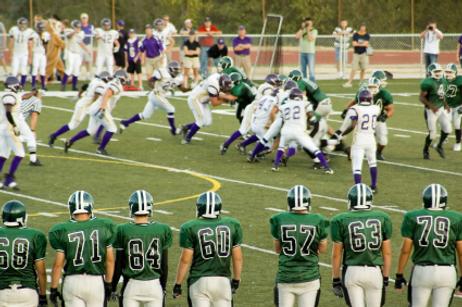
However, one aspect of the public school experience that homeschooled students may not always be able to enjoy is participating in team sports. In recent years, parents of homeschooled children in several states have continued pushing to change school district and athletic association rules, advocating for their children to be part of local public school sports teams. The movement has sparked debate on both sides of the issue, proving that not all parents or school districts are “team” players.
This video explains how to put your homeschooler in the public school's sports program.
Why Some School Boards Are Reluctant to Allow Homeschoolers on Their Teams
Homeschooled Students May Not Meet the Same Academic Eligibility Requirements
One of the primary objections raised by public school officials involves academic eligibility. Public school athletes usually must meet grade point average, attendance, enrollment, and conduct requirements to remain eligible for sports. School boards and athletic associations often ask how those same standards can be fairly applied to students who are not enrolled full-time in the public school system.
This remains a major issue in 2026. In many states with so-called "Tim Tebow laws," homeschooled students may be allowed to participate in public school athletics, but they must still meet residency, academic progress, immunization, age, and conduct requirements. In other states, access is limited or left to local school districts. Recent analyses from Legal Clarity show that roughly half of states guarantee some form of access while others restrict it heavily or leave the matter unresolved.
School officials who oppose broader access often argue that public school students must play by a clear and enforceable set of rules. If homeschooled students are evaluated differently, critics say the system may become inequitable.
Homeschooled Students Might Crowd Out Public School Students
Some school board members worry that homeschooled athletes might take spots on teams that should go to students enrolled in the public school. This concern is especially strong in competitive sports where roster sizes are limited.
The argument is simple: public school families support the school daily, students attend classes there, and athletes must balance school schedules with practice and competition. Critics ask whether a student who is not part of the full school community should be able to take a roster spot from a student who is.
This concern remains active in current policy debates. In Texas, for example, a 2025 law allowed homeschool students to participate in public school extracurricular activities unless districts opted out. Some large districts, including Houston ISD, voted to keep homeschooled students from competing in district activities, while other districts debated the issue locally, according to reporting from the Houston Chronicle.
Parents Who Homeschool Their Children Have Chosen to Opt Out of the System
Another longstanding objection is that parents who homeschool have chosen to opt out of the public education system and, as a result, have also chosen to forgo some privileges that come with enrollment.
Athletic associations and school leaders often view sports as part of the full public school experience, not a separate community service. From this perspective, students who want to participate in public school teams should also be enrolled in public school classes.
This argument has become more complicated as school choice has expanded. In 2026, families may choose among traditional public schools, charter schools, private schools, microschools, online programs, hybrid homeschooling models, and state-supported education savings account programs. Parents interested in comparing these options may also find helpful information in Public School Review's article on Public School Choice, Magnet Programs, Charter Options: What's Best?.
Why Some Say the Homeschooled Should Be Allowed to Play
To Keep Out Homeschooled Students Is Discrimination
Parents who support access argue that excluding homeschooled students from public school sports is unfair. They contend that homeschooled students are still local children who live in the district, follow state education requirements, and should not be barred from participating in community-based athletic opportunities.
Supporters often point out that sports provide more than competition. They help students build discipline, teamwork, leadership, resilience, and social connection. For homeschooled students, access to public school teams can also provide valuable interaction with peers. Similar benefits are discussed in Public School Review's article on How Important is the Student-Teacher Ratio for Students?, which examines the importance of student connections and engagement.
This issue continues to generate legislative activity. In 2025, Mississippi considered a Tim Tebow Act that would allow homeschooled students to participate in public school sports, reflecting the continuing national debate over access and fairness, according to analysis from the University of Oregon's HEDCO Institute.
Parents of Homeschooled Students Are Still Taxpayers
Proponents also argue that parents of homeschooled students are taxpayers, which means they help fund public school buildings, athletic fields, coaches, and extracurricular programs. From this viewpoint, homeschooled families should not be excluded from programs their taxes help support.
This argument has become more prominent as homeschooling has grown since the pandemic. Census-based and education policy research show that homeschooling remains above pre-pandemic levels, with state-level growth continuing in many places, according to the Johns Hopkins Homeschool Hub.
Supporters also note that some public schools allow homeschooled students to participate in selected activities, such as band, theater, or academic clubs, while still barring them from sports. To many homeschool families, that distinction seems inconsistent.
Homeschooled Students Won't Hurt the Team
Supporters further assert that homeschooled students will not harm public school teams and may even become assets. In many districts, the number of homeschoolers interested in participating is small. Proponents argue that these students can enrich teams without overwhelming programs.
Many state laws that allow participation also include safeguards. Homeschooled students may need to live in the district, demonstrate academic progress, comply with athletic association rules, submit required paperwork, follow the same codes of conduct, and meet the same age and transfer rules as other athletes.
These requirements are intended to address concerns about fairness while allowing students to participate.
This video reports on the homeschoolers being allowed to play sports in Kansas public schools.
The 2026 Policy Landscape
The jury is still out on allowing homeschooled students to play on public school teams. For the moment, access remains highly dependent on state law, athletic association rules, and local school board policy.
Some states have adopted strong homeschool access laws. Others allow local districts to decide. Still others continue to restrict participation or require partial enrollment. As of 2026, families cannot assume that a homeschooled student will automatically be eligible to play for a local public school team.
Parents should begin by checking three sources: state homeschool law, state athletic association rules, and local district policy. Eligibility may depend on residency, academic documentation, deadlines, age limits, transfer rules, insurance requirements, and whether the student is enrolled in any public school classes.
Final Thoughts
The debate over homeschooled students and public school sports reflects a larger conversation about education, school choice, fairness, and community access.
Opponents argue that public school sports should be reserved for students enrolled in public schools and subject to the same academic and attendance requirements. Supporters argue that homeschooled students are taxpayers' children, members of the community, and capable of meeting fair eligibility standards.
As homeschooling continues to grow and education options become more varied, this issue is unlikely to disappear. Families evaluating different educational pathways may also find value in Public School Review's articles on How to Choose a Public School for Your Child and Public School Rankings: Are They Accurate?, both of which explore how parents can evaluate educational opportunities beyond traditional assumptions.
For now, families interested in public school sports should research their state and district rules carefully, document academic progress, and communicate early with school officials before the athletic season begins.