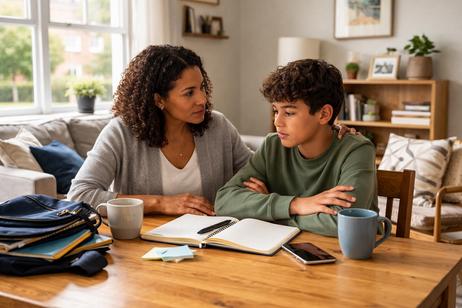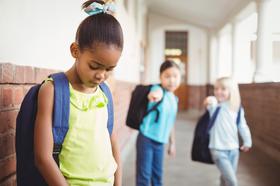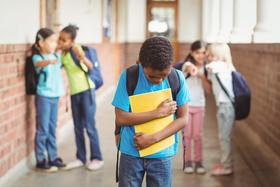
Bullying remains a pressing concern in public schools nationwide. Despite decades of awareness campaigns, the rise of cyberbullying and social pressures has made it essential for families to understand how schools address bullying, how students can stay safe, and what resources are available in 2026. This guide offers families a comprehensive overview of bullying prevention, strategies schools employ, and steps parents can take to support their children.
Understanding Bullying in Schools
Bullying is defined as repeated aggressive behavior intended to harm or intimidate, often involving a power imbalance. It can manifest in several forms:
- Physical bullying: Hitting, pushing, or damaging a student’s belongings.
- Verbal bullying: Name-calling, teasing, or threatening.
- Social/relational bullying: Excluding peers, spreading rumors, or damaging reputations.
- Cyberbullying: Using digital platforms, such as social media or messaging apps, to harass or threaten.
According to the National Center for Education Statistics, approximately 20% of students aged 12–18 reported being bullied at school in 2024. While rates have plateaued, the impact of bullying remains profound, affecting mental health, academic performance, and social development.
Why Bullying Prevention Matters
Bullying can have long-term consequences for both victims and perpetrators. Students experiencing bullying are at higher risk for:
- Anxiety and depression
- Academic disengagement and absenteeism
- Decreased self-esteem
- Suicidal thoughts and behaviors
For families, understanding bullying prevention in public schools is critical for advocating for children’s safety and well-being. Schools are legally required under the U.S. Department of Education guidelines to maintain safe learning environments and implement anti-bullying policies.
Key Components of Effective Bullying Prevention Programs
Public schools increasingly