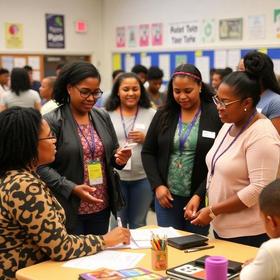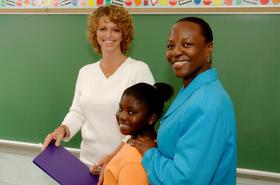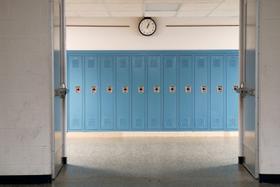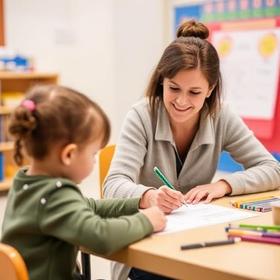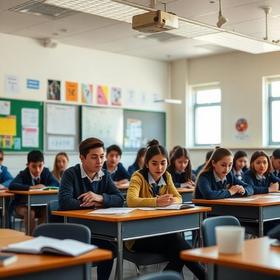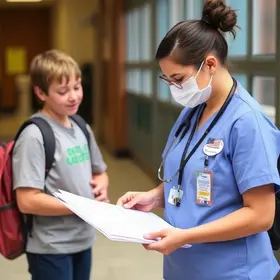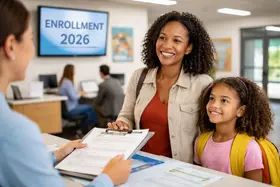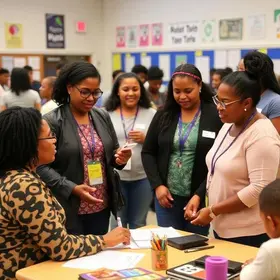
The first school tour is usually about impressions. Is the campus welcoming? Do classrooms look engaging? What programs are available? How does the principal describe the school?
The second school tour should be different.
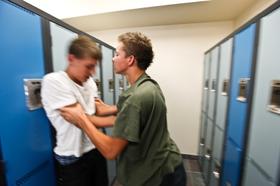
Once parents have narrowed their options, they can use a return visit to investigate questions that rarely occur during the first walk-through of the building. How often do teachers leave? What happens when a student falls behind? Are advertised electives actually available to most students? Who supervises the hallways between classes? How quickly will someone respond when a parent has a concern?
In 2026, these questions matter because the daily experience of attending a public school cannot be captured by test scores or a polished presentation. A second school tour gives families an opportunity to move from asking, "Do we like this school?" to the more useful question, "How would this school actually work for our child?"
Why a Second School Tour Can Be More Revealing
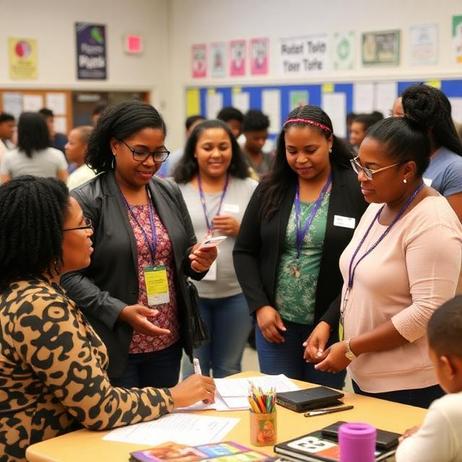
A first visit often happens during an open house or organized enrollment event. Schools naturally highlight accomplishments, facilities, specialized programs, and enthusiastic staff members. None of that information is unimportant, but it provides only part of the picture.
On a second visit, parents know what they have already heard. That frees them to examine what was not discussed.
Public School Review's School Choice Comparison Worksheet: 15 Factors Beyond Test Scores encourages families to consider factors such as school culture, student support, and programs alongside conventional performance