Updated
|
Powered by Propane: Greener School Buses
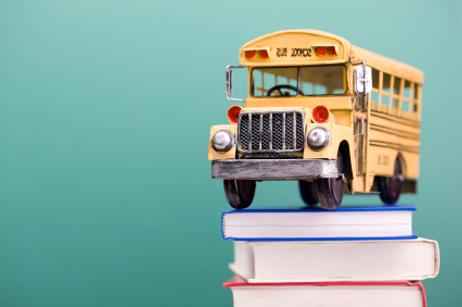
Diesel school buses are quickly becoming the dunces of the schoolyard, with many public schools switching to greener and more cost-effective propane school buses.

School buses have traditionally been the transportation of choice for public school students across the country. These big yellow vehicles have become a mainstay in both urban and suburban communities, offering students access to school campuses that might have difficulty getting to and from school otherwise. However, budget cuts, rising gas prices, and concerns over their environmental impact have forced many school districts to take another look at the diesel-run buses that dominate most school districts today. In some cases, propane buses are providing a cheaper and more environmentally friendly option.

This video looks at propane-powered school buses.

The Cost of Diesel

The expense of running children to and from school on diesel buses is not a small one by any means. According to a report in the Christian Science Monitor/2), it is estimated that more than 25 million children ride the bus to school each day. In some areas, year-round schooling means no respite from gas bills over the summer months. As the number of children requiring bus transportation remains relatively consistent, the cost of fuel does not.

The National Association for Fuel Transportation estimated that in some areas two years ago, the cost of fuel shot up from $1.95 per gallon to more than $4 per gallon during a single academic year. A 100% increase was extremely tough on many school districts that were already feeling the budget

. . .read more

Drug Testing Teachers: Testing Positive or Negative?

Updated
|
Drug Testing Teachers: Testing Positive or Negative?
This article examines the ongoing debate about drug testing for teachers in public schools. It discusses the rationale behind such policies, privacy concerns, cost implications, and the relatively low prevalence of drug use among educators. The piece also explores future considerations for drug testing policies in educational settings.

Drug testing has been commonplace in professions that require critical decision-making skills, ranging from police officers to civil servants. A growing number of individuals also believe that the people who spend the most time with our children should also be subject to random testing of this kind. Teachers have come under the gun in recent years over the issue of random drug testing. While some parents and education experts believe random testing is necessary to keep schools safe, teachers believe these tests violate their privacy rights. Public school teachers are not universally required to undergo drug testing in every state. No federal mandate requires drug testing for teachers, and no state laws specifically mandate it for all teachers across the United States. However, drug testing policies vary significantly by state and individual school districts.

Drug testing is one part of these policies, and it serves a necessary role in a drug-free work culture. And because of the negative impact drug use can have, especially in safety-sensitive industries, companies should consider the benefits of drug testing in the workplace when developing new safety policies. Source: PharmaChek

Why Drug Testing?

In numerous states, questions have arisen over whether teachers in public schools should undergo random drug testing as a part of their employment. The practice is shared with other professionals, and some believe teachers fall into a similar category because they work directly with students all day. They argue that teachers who fail random drug tests

. . .read more

Sex Offenders: Working in Your Local Schools

Updated
|
Sex Offenders: Working in Your Local Schools
Learn how public schools are strengthening hiring practices, background checks, and reporting requirements in 2026 to better protect students from educator sexual misconduct.

A troubling report by the Government Accountability Office (GAO) found that individuals with a history of sexual misconduct were working in some neighborhood schools. Even more concerning, some were able to obtain new teaching or staff positions after behaving inappropriately toward children in other school districts. The report identified numerous breakdowns in hiring practices that allowed these individuals back into schools because of incomplete background checks, poor record sharing, and administrative loopholes.

More than a decade later, the issue remains an important school safety concern. While states have strengthened hiring laws and school districts have improved screening procedures, experts agree that vigilance remains essential. Schools today are expected to conduct far more comprehensive background investigations than they did when the original GAO report was released, but inconsistencies between states and districts still exist.

Parents who want to better understand educator screening practices can also read Public School Review's guide to Should Schools Conduct Background Checks on Teachers?.

The GAO Report

The original report released by the U.S. Government Accountability Office examined 15 case studies involving public schools that employed individuals with troubling histories. According to the investigation, 11 of the employees had previously engaged in inappropriate sexual conduct involving children. In six of those cases, the individuals went on to abuse children again after obtaining employment in another school district.

The report was prepared in response to growing concerns about weaknesses in school hiring practices and followed earlier federal research highlighting educator sexual misconduct as

. . .read more

Local Schools and Charter Schools: Can They be Close Allies?

Updated
|
Local Schools and Charter Schools: Can They be Close Allies?
While local schools and charter schools have been portrayed as competitors, new initiatives are encouraging both schools to work together to improve the academic lot of all students.

Local schools and charter schools have historically clashed in many school districts. Local schools have complained that charters take away district funds and promote competition that has no place in the public school system. On the other hand, charter schools counter the fact that they typically receive less funding than other local schools, even though they are also considered public schools.

The District-Charter Collaboration Compact

The Bill and Melinda Gates Foundation is addressing this conflict directly at its source by providing financial incentives for charter and local schools to work together for the benefit of the students they serve. The District-Charter Collaboration Compact was designed by the foundation to encourage these two groups to find new and creative ways to work together to raise the bar on the standard of education in their communities. Schools that prove they can work well together will be rewarded with grants from the foundation that will go to providing access to consultants and advisors that will help them improve the quality of education across the board.

Vicki L. Phillips, director of education, College Ready, at the Bill and Melinda Gates Foundation, said in a press release on the foundation's website, "Traditional public schools and public charter schools share a common goal of preparing all students for future success. Too often, issues not tied to academic outcomes can make it difficult for schools and teachers to have the opportunity to learn from each other and build upon successful practices,

. . .read more

The Drama of Teacher Ratings: From a Suicide to Lawsuits

Updated
|
The Drama of Teacher Ratings: From a Suicide to Lawsuits
The reform in education has prompted a movement to rate teachers, which has generated its fair share of support and criticism. Learn about the controversy, lawsuits, and even a tragic suicide stemming from publicly released teacher ratings.

The debate over teacher evaluations has been raging for some time, with discussion over how to rate teachers in very different communities with very different student demographics by the same basic criteria. One solution that has been effectively used across the country is value-added analysis, which pits teacher performance against specific student expectations. While many agree that value-added analysis is the best system to gauge teacher performance today accurately, another conflict has been brewing – whether to make these evaluations accessible to the general public.

What is Value-Added Analysis?

According to an article at National Public Radio, value-added analysis is "a method for calculating teacher effectiveness based on how the teacher's students perform on standardized tests." Instead of strictly looking at the scores, however, these evaluations consider the expectations for the students based on 30 factors, including the students' ethnicity and whether they are poor enough to qualify for a free lunch. This methodology more accurately compares the performance of teachers who teach to different populations of students.

In addition to value-added analysis, most teachers are evaluated by a "soft" criterion, which tends to be more subjective. This might include classroom observations by the principal, student papers, and project evaluations. The data compiled on teachers through these evaluations has been historically kept private by the school district and used strictly by administrators for developing classroom strategies and managing a teacher's personal career track. However, that changed when the Los Angeles Times published teacher

. . .read more

Recent Articles

When a Public School Cancels a Course Your Child Needs
Learn what parents can do when public schools cancel essential courses, including protecting graduation credits, finding approved alternatives, requesting substitutions, and preventing disruptions to college or career plans before deadlines.
Verify School Assignment Before Buying a House
Before buying a house, learn how to verify your child's assigned public school, check conflicting property listings, confirm enrollment eligibility, and avoid costly school assignment surprises before closing on a property.
School Bus Commute Times: What Parents Should Know
Discover how long school bus commutes really take, why routes vary, and what parents should ask about pickup times, student fatigue, transportation reliability, and daily schedules before choosing schools.