Technology on Campus

From eBooks to web cams, technology on campus continues to grow. Learn how the latest technology impacts your child’s education. Get tips on the best ways to integrate technology into education and stay abreast of the latest developments and challenges facing schools.

View the most popular articles in Technology on Campus:

More Technology Finding a Place in Public Education

Updated
|
More Technology Finding a Place in Public Education
Learn about school districts that are finding funds to supply students and faculty with laptops, iPads and other technology tools to enhance the educational experience.

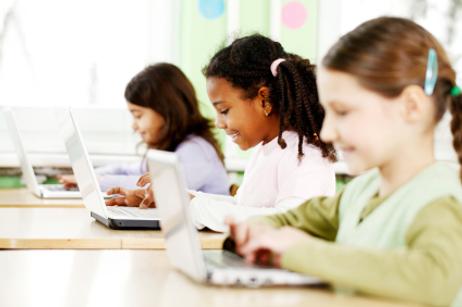
As technology takes a bigger place in the professional and personal world today, it is also finding its way into more and more public classrooms across the country. From laptops to iPads, students are learning to incorporate technology into the learning process to enhance their educational experience overall. This trend does not show any signs of slowing; in fact, school districts nationwide are finding more money in already tight budgets to equip classrooms with all the gadgetry they need to bring their students effectively into the 21st century. This article will take a look at exactly how technology is finding a place in the public school classroom today.

Online Textbooks Replacing Traditional Books

Online textbooks do not get lost or stolen, they don’t take up space in a locker or backpack, and they provide a wealth of additional resources - all with a single click of the mouse. It is no wonder that online textbooks are fast replacing traditional books today. A report in the Kingstowne Patch announced a pilot program in Fairfax County Schools to provide online social studies books for all high school and middle school students this year. To access the online books, students will be encouraged to bring their own laptops to school. Those that don’t have their own computers will be provided one by the district.

The schools are also working to ensure students will

. . .read more

Virtual Schools Offer Additional Options to Struggling Students

Updated
|
Virtual Schools Offer Additional Options to Struggling Students
Gaining in popularity, virtual schools can help an array of students complete their high school education. Learn about the benefits of virtual schools and whether they are right for your student.

Virtual learning may seem like a relatively new concept in the world of education, but distance learning via correspondence schools and other sources has actually been around for centuries. Virtual schools offer students the ability to get at least a portion of their education online, from the comfort of home. Some students even enroll in virtual schools full time, graduating without ever setting foot in a brick-and-mortar classroom! We’ll take a look at how the virtual school has evolved, what the benefits might be, and some areas of the country that are now actively promoting their virtual schools for struggling and overachieving students alike.

What is Virtual School?

According to WhatIs.com, virtual learning involves the use of computers and the Internet to create a classroom environment right at home. The core components of a successful virtual learning experience include:

  • Curriculum mapping that breaks curriculum down into assessable segments
  • The ability to track student progress
  • Sufficient online support for both students and faculty
  • Access to electronic communication like email, online chat, and video conferencing
  • Links via the Internet to outside resources that enhance the learning experience

When all of these components are included in the virtual learning environment, virtual schools can be just as effective, if not more so, than the traditional classroom for many students today. Virtual schools are available on both the public and private school levels, so parents can often search out the best online learning environment for their child’s unique needs and abilities.

The Benefits

. . .read more

Google Apps: Coming to a Public School Near You

Updated
|
Google Apps: Coming to a Public School Near You
Learn how Google Workspace for Education supports collaboration, communication, and digital learning in public schools in 2026.

Today's students must be well-versed in much more than the three traditional "Rs" that have carried public education for the past century. In order to compete in the global marketplace, students must also know their way around the most recent technology utilized in the workplace today.

To help students and teachers achieve that goal, Google Workspace for Education continues to bring technology into the classroom in real time. Through agreements with states, districts, and schools across the country, more public schools are seeing the results of digital learning tools in the classroom.

Using Google Docs in the Classroom

According to Google for Education, Google Apps can provide a multitude of uses in today's classroom, including:

  • Gmail allows students and teachers to easily communicate with one another
  • Docs gives students the opportunity to turn in assignments to the teacher directly from their own computer
  • Sites give students access to assignments, lesson plans, and research material at any time of the day or night
  • Groups provide additional opportunities for students to interact with instructors and classmates online

The addition of Google Apps makes the entire classroom more interactive, as teachers have the ability to coach students throughout the course of their assignments, and students have easy access to ask questions and get feedback. The "anytime, anywhere" access allows students and teachers to tailor their work time around their own schedules, rather than restricting them to standard school operating hours.

Parents interested in broader digital learning trends can

. . .read more

How Your Child Can Benefit from New Public School Laptop Programs

Updated
|
How Your Child Can Benefit from New Public School Laptop Programs
Learn about new laptop programs being instituted in public schools around the country, as well as how your child's education can benefit from the increased access to technology.

Today's children must be prepared for tomorrow's demands. Considering technology's paramount role in nearly every career and industry, developing technological fluency is important for every child.

Understanding the relationship between technology and education, public schools have begun to incorporate innovative laptop programs to help improve student learning and performance. According to ERIC Digest, laptop programs have been part of organized education practices since 1988; however, these laptop opportunities have only recently gained national popularity in the past few years.

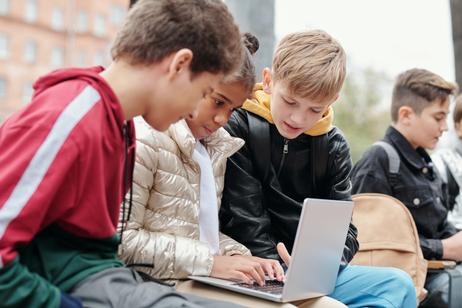
By incorporating laptops into public school classrooms, teachers can enhance the curriculum, providing students extensive research opportunities, access to up-to-date information, and many other learning benefits.

The Learning Benefits of Laptop Programs

As ERIC Digest further reveals, several leading computer companies have actively engaged in research to evaluate the benefits of laptops in public schools. In examining the perks, researchers and instructors report educational advantages, such as:

  • Textbooks are expensive and often outdated, but students can engage in up-to-date research through the internet with laptops.
  • Students can reinforce their lessons through their laptop's technological tools, including study games, class-specific discussion blogs, and other digital resources.
  • Students can edit and correct their writing with greater ease, as the laptops provide students with instant dictionaries, spell-checking tools, and thesaurus resources.
  • Students can become versed in technological tools, which will help provide students with greater preparation for their technology-based careers in the future.
  • Students from different financial backgrounds can have
. . .read more

Should Public Schools Ban Cell Phones?

Updated
|
Should Public Schools Ban Cell Phones?
Listen to both sides of the debate to decide if cell phones should be allowed or banned in public schools.

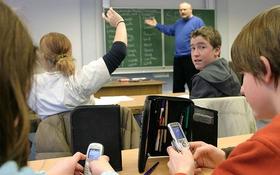
As students in public school today are exposed to endless technological advances, the use of cell phones seems to be an often ignored modern-day issue. While cell phones certainly offer students increased communication abilities, providing students with a tool for added safety and parent contact, many public school leaders assert that cell phones are a severe distraction in the educational process. Whether students are talking in the halls, on the phone in the restroom facilities, or texting during class, phones are proving to be a significant distraction in many students’ educational process.

To counteract the negative implications, many public schools have even issued a ban on the use of cell phones while on campus. Upon the onset of these drastic measures, a fairly glaring debate has arisen between school leaders and many community members.

The Ringing Debate

As school leaders are striving to improve student performance and the overall student learning experience, schools across the country are enforcing strict policies regarding cell phones. Specifically, the entire city of New York issued a general ban against cell phones in their city’s public schools.

According to eSchool News, a group of parents was so outraged by this ban that they have taken legal action against leaders, and they are suing the city for violating student rights to possess cell phones: “The eight parents' lead lawyer, Norman Siegel, said the lawsuit was filed against the city's Department of Education, schools Chancellor Joel Klein, and Mayor Michael Bloomberg after they ‘callously

. . .read more

Recent Articles

The Experience of Being a New Student Mid-Year
Learn what students experience when transferring to a public school mid-year and how schools help new students adjust socially and academically.
How Public Schools Structure Free Periods or Study Time
Learn how public schools structure free periods or study time to support homework, tutoring, enrichment, and student independence.
The Role of Hallways, Common Areas, and Shared Spaces in Public Schools
Discover how hallways, cafeterias, libraries, and shared spaces shape student learning, safety, and school culture in public schools.