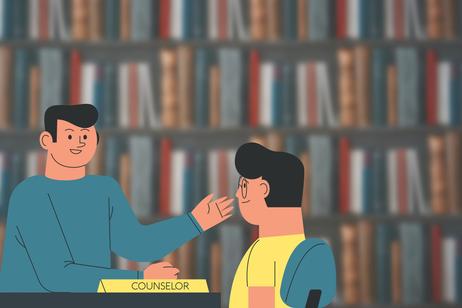
For a child experiencing academic struggles, anxiety, bullying, family difficulties, or emotional distress, a school counselor can provide an important source of stability. Having a trusted adult who understands their circumstances can make attending school feel more manageable. However, when that counselor unexpectedly leaves or is reassigned during the school year, children may feel uncertain about where to turn for support.
School counselor changes can occur because of retirement, medical leave, staff reassignments, resignations, or district restructuring. Although these changes may be routine from an administrative perspective, their impact on individual students can be significant.
Parents should understand how public schools manage these transitions, what happens to existing support arrangements, and how they can help their child establish a relationship with a new counselor without losing previously established progress.
Why a School Counselor Change Can Be Particularly Difficult
Developing trust takes time. Children who initially struggled to discuss personal concerns may have spent several months becoming comfortable with their school counselor. They may have established regular appointments, developed coping strategies or identified ways to manage challenging situations during the school day.
When that relationship ends unexpectedly, children may become reluctant to seek assistance. Some may worry about having to explain difficult experiences again, while others may question whether the replacement counselor will understand their circumstances.
Children experiencing mental health problems may find this transition particularly challenging. Losing a familiar source of support while managing existing difficulties can create additional uncertainty.
Parents should acknowledge these feelings without suggesting that the new counselor will necessarily be less effective. A child's reluctance to establish another relationship does not mean that the transition cannot ultimately be successful.
Understanding School Counselor Availability in 2026
School counseling resources vary considerably across public school districts. Some schools employ several counselors, while others share counseling professionals across multiple campuses.
According to data released in February 2026 by the American School Counselor Association, the national student-to-school-counselor ratio was 372 to 1 during the 2024–2025 academic year. Although this represents an improvement from 376 to 1 the previous year, it remains above the association's recommended ratio of 250 to 1.
These staffing pressures help explain why replacing a departing counselor may take time. Existing counselors may temporarily absorb additional responsibilities, potentially affecting appointment availability and communication with families.
Parents should establish whether their child's new counselor is a permanent replacement, a temporary staff member or someone dividing their time between several schools. Understanding the arrangement makes it easier to establish realistic expectations and identify potential gaps in support.
What Happens to Your Child's Existing Counseling Arrangements?
One of the most important questions parents should ask is whether existing support arrangements will continue automatically.
A child may have been receiving weekly check-ins, assistance with attendance difficulties, academic planning or support following a family emergency. These arrangements should not simply be forgotten because the staff member responsible for coordinating them has changed.
Parents should request clarification about who will assume responsibility for ongoing support. Important questions include:
Will previously scheduled counseling appointments continue?
Has the replacement counselor received relevant information about my child's support needs?
Who should my child approach if immediate assistance is required?
Will existing academic or emotional support arrangements change?
When can we review my child's progress with the new counselor?
Where possible, obtain written confirmation of agreed arrangements. This provides a useful reference if communication becomes inconsistent during the transition.
How Confidential Information Is Transferred
Parents may assume that a replacement counselor automatically receives every detail discussed during previous counseling sessions. However, transferring sensitive information requires careful consideration of confidentiality, educational records, applicable laws and professional responsibilities.
The American School Counselor Association's confidentiality guidance explains that counselors must protect student privacy while recognizing legal obligations, parental rights and circumstances requiring disclosure to prevent serious harm.
Parents should ask how the school communicates relevant support needs to replacement counselors without unnecessarily sharing sensitive personal information.
Children should also understand that they do not necessarily need to disclose every personal experience during their first appointment. Instead, the initial conversation can focus on current concerns, helpful strategies and what they need to feel comfortable at school.
A carefully managed transition can preserve important information while respecting the child's privacy and emotional readiness.
Helping Your Child Establish Trust With a New Counselor
Parents may naturally want their child to develop an immediate connection with the replacement counselor. However, expecting children to establish trust quickly can create unnecessary pressure.
An introductory meeting that does not require discussing sensitive experiences may be a helpful starting point. Children can learn how the counselor works, where their office is located and how appointments are arranged.
Younger children may benefit from being introduced by a familiar teacher. Older students may prefer an independent conversation or an opportunity to explain their preferences privately.
Parents should also consider maintaining communication with classroom teachers. Effective parent-teacher conferences can help identify changes in academic performance, participation or behavior while the new counseling relationship develops.
The objective is not to recreate the previous relationship immediately but to establish another dependable source of support.
Protecting Academic and Emotional Progress
A counselor change should not result in a child losing access to established educational assistance simply because responsibilities have shifted.
For students with documented accommodations under Section 504 or an Individualized Education Program (IEP), staff changes do not remove the school's obligations to implement required services and accommodations. Families should contact the appropriate coordinator or case manager to confirm that these arrangements remain in place.
Informal support arrangements may require additional follow-up. For example, a student who previously visited the counseling office before a particularly stressful class may need clarification about whether this remains possible.
Similarly, a child receiving support after experiencing bullying may need reassurance that existing reporting procedures and safety arrangements remain active.
Parents should communicate with school staff about strategies that were working before the change. Maintaining familiar routines can reduce unnecessary disruption while allowing the new counselor to become acquainted with the student's needs.
What If the School Does Not Have an Immediate Replacement?
Some public schools experience delays in recruiting qualified counseling professionals. During these periods, students may be assigned to another counselor, school psychologist, social worker or designated administrator, depending on the type of support required.
Parents should avoid assuming that these temporary arrangements will automatically meet their child's needs. Instead, request specific information about available assistance, appointment procedures and emergency contacts.
The American School Counselor Association's guidance on student mental health, revised in 2025, emphasizes short-term counseling, early intervention, collaboration and referrals to community professionals when students require more extensive assistance.
School counseling is not generally intended to replace long-term clinical mental health treatment. Children experiencing persistent or serious emotional difficulties may benefit from additional assistance through qualified healthcare professionals while school-based support continues.
Recognizing When the Transition Is Not Working
Some adjustment difficulties are understandable following a counselor change. However, parents should pay attention when their child's emotional or academic circumstances begin deteriorating.
Warning signs may include increasing school avoidance, missed counseling appointments, declining grades, withdrawal from activities or a reluctance to approach school staff for assistance.
Children may also express frustration about repeatedly explaining their circumstances to different adults without receiving consistent help.
If these difficulties emerge, parents should request a meeting with the counselor and relevant administrator. The discussion should focus on identifying interruptions in support, assigning responsibilities and establishing a practical follow-up schedule.
The American School Counselor Association's ethical standards emphasize professional collaboration and minimizing interruptions when transitioning primary counseling services.
If a child expresses thoughts of self-harm or faces an immediate safety concern, families should seek urgent professional assistance rather than waiting for a routine school counseling appointment.
Creating a Support System That Extends Beyond One Counselor
Although a trusted school counselor can make a considerable difference in a child's educational experience, developing relationships with several supportive adults can provide additional stability.
A classroom teacher, coach, school psychologist or other designated staff member may offer another appropriate point of contact when the primary counselor is unavailable.
Parents can encourage these connections without diminishing the importance of the previous counseling relationship. Establishing a broader support network can help children feel more secure during future staffing changes, school transitions or unexpected disruptions.
Final Thoughts
When your child's school counselor changes during a difficult year, maintaining continuity should be a priority. Children should not feel that their previous progress, personal circumstances or established support arrangements have been forgotten because a familiar staff member has departed.
By communicating with school administrators, confirming existing arrangements, respecting confidentiality and allowing time for new relationships to develop, parents can help their children navigate the transition successfully.
A counselor change may be unavoidable, but unnecessary interruptions to a child's educational and emotional support can often be prevented through thoughtful planning and effective communication.