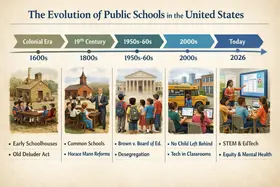
About Public Schools

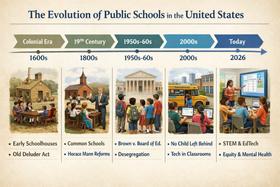
Here we cover the history of public schools, explain the various types and discuss their pros/cons. Learn more about technology on campus, health and nutrition issues, and the latest information related to a variety of student populations.

View the most popular articles in About Public Schools:

What a District Budget Cut Means for Your Child's School Experience

Updated
|
What a District Budget Cut Means for Your Child's School Experience
Learn how district budget cuts can affect class sizes, programs, staffing, transportation, and your child's daily school experience in 2026.

When parents hear that their local school district is facing budget cuts, the first reaction is often concern. Will teachers lose their jobs? Will favorite programs disappear? Will the quality of education decline?

The reality is that district budget cuts can affect students in many ways, some obvious and others less visible. While most districts work hard to minimize the impact on classrooms, financial reductions inevitably force difficult decisions about staffing, programs, transportation, technology, facilities, and student services.

For families, understanding what a budget cut actually means can help separate fact from speculation. More importantly, it can help parents recognize early signs of change and advocate effectively for their children when financial pressures arise.

Why More Districts Are Facing Budget Challenges in 2026

Across the country, school districts continue to navigate a complex financial landscape. Federal pandemic-relief funds that temporarily boosted school budgets have largely expired, while inflation continues to increase operating costs. At the same time, many districts are experiencing enrollment declines, which often reduce state funding allocations tied to student counts.

Parents looking to understand broader education finance trends may find Public School Review's guide to public school funding challenges helpful for understanding why many districts are reevaluating spending priorities.

Rising costs affect nearly every aspect of district operations. Salaries, employee benefits, transportation contracts, utilities, building maintenance, instructional technology, and special education services have all become more expensive in recent years. Even districts with strong academic performance may face difficult budget decisions if revenues fail

. . .read more

School Closure Risk: What Parents Should Check Before Moving

Updated
|
School Closure Risk: What Parents Should Check Before Moving
Learn how parents can assess school closure risk before buying or renting in a district, using enrollment, funding, and boundary data.

For many families, buying or renting a home begins with a familiar question: How good are the local public schools? Parents often compare test scores, graduation rates, class sizes, extracurricular programs, and college readiness indicators before choosing a neighborhood. In 2026, however, families should also ask a less obvious but increasingly important question: How stable is the school itself?

School closure risk has become a serious consideration in many communities. Declining enrollment, demographic shifts, aging buildings, rising operating costs, and changing housing patterns are prompting districts to consolidate campuses, redraw attendance boundaries, or close schools altogether. These decisions can affect students’ routines, transportation times, friendships, academic continuity, and even neighborhood real estate demand.

A school closure does not automatically mean a district is failing. In some cases, it reflects long-term planning and an effort to use public resources more efficiently. Still, families making major housing decisions should understand the warning signs before committing to a district.

Why School Closure Risk Is Rising in 2026

Public school enrollment patterns have changed significantly in many parts of the country. Lower birth rates, family migration, housing affordability challenges, expanded school choice, and post-pandemic enrollment shifts have all affected district planning. Families evaluating the current state of U.S. public schools should consider not only academic quality but also whether local schools are likely to remain viable over time.

According to the National Center for Education Statistics, enrollment trends vary widely by region, with some districts experiencing growth while others

. . .read more

How Teachers Collaborate Across Departments in Public Schools

Updated
|
How Teachers Collaborate Across Departments in Public Schools
Learn how teachers collaborate across departments to improve student outcomes, strengthen instruction, and prepare students for real-world success.

Walk into a successful public school today, and you will likely find more than strong individual teachers delivering lessons in separate classrooms. Increasingly, effective schools are building cultures where educators work together across departments to improve instruction, support student achievement, and create more meaningful learning experiences.

Cross-department collaboration has become especially important as schools focus on college and career readiness, project-based learning, and the development of critical thinking skills. Students rarely encounter real-world problems that fit neatly into a single subject area. As a result, educators are finding new ways to connect learning across disciplines.

From English and social studies partnerships to science and mathematics integration, teacher collaboration is helping public schools provide a more cohesive educational experience.

Why Cross-Department Collaboration Matters

Traditionally, academic departments operated largely independently. Mathematics teachers focused on math standards, English teachers concentrated on literacy, and science instructors emphasized laboratory skills and scientific concepts.

While subject expertise remains essential, today's educational goals often require a more integrated approach.

When teachers collaborate across departments, they can:

  • Reinforce common skills across multiple subjects
  • Create stronger connections between classroom content
  • Reduce duplication of assignments and assessments
  • Identify struggling students earlier
  • Improve student engagement through interdisciplinary projects
  • Strengthen critical thinking and problem-solving skills

According to research from the Institute of Education Sciences, collaborative professional learning communities can contribute to improved instructional practices and stronger student outcomes when implemented effectively.

Common Forms of Teacher Collaboration

Interdisciplinary Curriculum Planning

One of the most common forms of collaboration occurs during curriculum planning.

For example,

. . .read more

AI Report Cards: Should Schools Evaluate AI Use?

Updated
|
AI Report Cards: Should Schools Evaluate AI Use?
Explore whether schools should assess student AI use, the benefits, risks, and what responsible AI report cards could look like in 2026.

Artificial intelligence has moved from novelty to necessity in many classrooms. By 2026, students routinely use generative AI tools to brainstorm ideas, explain difficult concepts, summarize information, and receive instant feedback. At the same time, educators continue to wrestle with a difficult question: if AI is becoming a standard learning tool, should schools evaluate how students use it?

The concept of an "AI report card" is gaining attention among educators, policymakers, and school leaders. Rather than focusing solely on whether students used AI, proponents argue that schools should assess how responsibly, ethically, and effectively students incorporate AI into their learning.

For public schools, the debate is particularly important. As districts develop AI policies and digital literacy standards, many are beginning to view AI competency as a skill that deserves evaluation, much like research, writing, or technology literacy.

The question is no longer whether students will use AI. The question is whether schools should formally assess that use.

Why AI Use Has Become an Educational Issue

When ChatGPT and other generative AI tools first entered classrooms, many schools focused on detection and prevention. Educators worried about plagiarism, academic dishonesty, and students outsourcing their thinking.

Three years later, the conversation has evolved.

Recent guidance from UNESCO emphasizes a human-centered approach to AI in education, encouraging schools to teach students how to use AI responsibly rather than simply banning it. UNESCO's guidance highlights the importance of transparency, critical thinking, privacy awareness, and ethical use of AI systems in educational settings.

. . .read more

The Parent’s Guide to School Cell Phone Bans in 2026

Updated
|
The Parent’s Guide to School Cell Phone Bans in 2026
Learn how school cell phone bans work in 2026, why districts are adopting them, and what parents should expect.

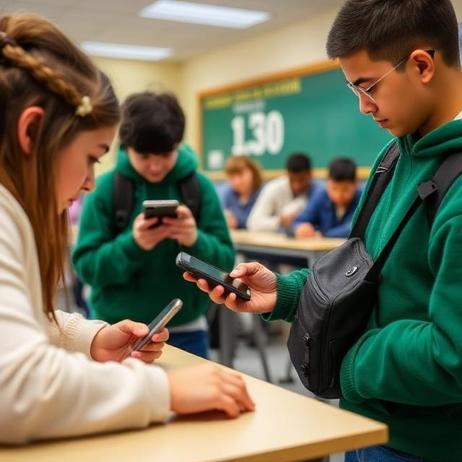
School cell phone bans have moved from a local school policy debate to a nationwide education trend. In 2026, public school districts across the United States are implementing stricter restrictions on student smartphone use, while many states have enacted laws requiring schools to adopt phone-free learning environments.

For parents, the shift raises important questions. Will banning phones improve learning? How do schools handle emergencies? What happens when students need technology for educational purposes?

This guide explains what school cell phone bans look like in 2026, why they are becoming more common, and how families can prepare.

Why School Cell Phone Bans Are Expanding

The primary argument behind school cell phone bans is simple: educators believe smartphones are a major source of distraction.

Recent data from the National Center for Education Statistics found that more than half of public school leaders reported negative effects from student cellphone use on academic performance, while even larger percentages cited concerns about attention spans and mental health. According to NCES, 77% of public schools already prohibit cellphone use during class time.

Parents may be surprised to learn that the movement is no longer limited to individual districts. Several states have adopted statewide restrictions or requirements that schools create formal cellphone policies, making phone-free classrooms a mainstream education policy rather than an experimental approach.

For many educators, the goal is not to eliminate technology. Most schools already provide students with district-issued laptops or tablets for instruction. Instead, the focus is reducing nonacademic distractions caused

. . .read more

Recent Articles

When Your Child Gets a Teacher You Didn't Request
Learn what parents can do when a child is assigned to an unexpected teacher, including when to wait, communicate, document concerns, request support, and seek reassignment appropriately.
Before Accepting a Public School Seat: 15 Checks
Before accepting a public school seat, parents should verify enrollment terms, transportation, staffing, academics, safety, support services, schedules, attendance rules, extracurriculars, costs, and long-term placement details carefully.
Will This Public School Offer the Same Programs Next Year?
Learn how parents can determine whether public school programs will continue next year by checking budgets, enrollment, staffing, board documents, grants, course schedules, and district priorities before enrolling.

About Public Schools

OVERVIEW OF PUBLIC SCHOOLS
A comprehensive look at the U.S. public school system, including history, governing bodies, funding, and services. Compare private, public and charter schools. Learn more about Magnet school programs and get tips on choosing the right school for your child.
TYPES OF PUBLIC SCHOOLS
Explore the different types of public schools, from charter to language immersion, and learn about the unique pros and cons of each type. Is a co-ed or single sex classroom best for your child? Charter school or magnet? Read expert advice and get valuable tips on the various public education programs available and how to choose what works best for your family.
TECHNOLOGY ON CAMPUS
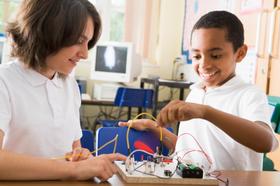
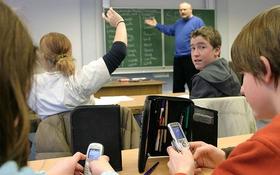
From eBooks to web cams, technology on campus continues to grow. Learn how the latest technology impacts your child’s education. Get tips on the best ways to integrate technology into education and stay abreast of the latest developments and challenges facing schools.
HEALTH AND NUTRITION AT SCHOOL
From vending machines to Jamie Oliver, bed bugs to tuberculosis, we provide an in-depth look at health and wellness in public schools. Help your kids stay healthy on campus and learn about current health epidemics, vaccination requirements, physical fitness programs and the latest food initiatives.
BACK TO SCHOOL
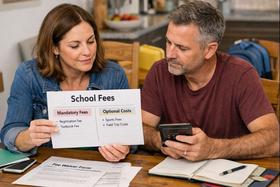
Learn more about preparing your child and wallet for a new school year. Inside you’ll find valuable advice to help your family prepare for the transition from swimsuits to school. While there is no tuition, public school education does not come without costs. Learn more about budgeting for a new school year and get great money saving tips.
STUDENT POPULATIONS
The latest trends, laws and resources for a variety of student populations. Every child has different needs, and this section offers helpful information for LGBT, special education, gifted, low-income, and minority students.