About Public Schools

Here we cover the history of public schools, explain the various types and discuss their pros/cons. Learn more about technology on campus, health and nutrition issues, and the latest information related to a variety of student populations.

View the most popular articles in About Public Schools:

Zero Tolerance Policies in Public Schools Today

Updated
|
Zero Tolerance Policies in Public Schools Today
An updated look at zero tolerance policies in public schools, including current trends, costs, legal concerns, and what parents need to know now.

Zero tolerance policies in public schools were originally designed to create safer learning environments by enforcing strict, predetermined consequences for specific behaviors. First widely adopted during the 1990s, these policies expanded rapidly in response to concerns about school violence and drug use. Today, zero tolerance remains a familiar term for parents and educators, but its application, impact, and public perception have evolved significantly.

As families plan for upcoming academic cycles, many are asking practical questions. How are discipline policies enforced today? Do zero tolerance rules affect school choice or enrollment decisions? What are the legal and emotional consequences for students? This updated article examines how zero tolerance policies function in modern public schools, the costs and challenges associated with them, and what parents should understand when advocating for their children.

What Are Zero Tolerance Policies?

Zero tolerance policies mandate specific disciplinary actions, often suspension or expulsion, for defined infractions regardless of intent or circumstances. Commonly cited violations include weapons possession, drug-related offenses, and serious acts of violence. In some districts, earlier versions of these policies also applied to less severe behaviors such as verbal threats or repeated classroom disruptions.

While federal law still requires strict disciplinary responses for certain offenses, particularly firearms on campus, many states and districts have revised their policies to allow greater administrative discretion. Today, zero tolerance is less likely to mean automatic punishment and more likely to exist as a framework within broader student discipline codes.

How Policies Have

. . .read more

Budgeting Hidden Costs of Public Schooling in 2026

Updated
|
Budgeting Hidden Costs of Public Schooling in 2026
Learn how families budget for school lunch, after-school care, and activities, the hidden costs of public schooling in 2026.

Budgeting for School Lunch, After-School Care & Activities: Hidden Costs of Public Schooling

Public education in the United States is often described as free. Tuition is not charged, textbooks are usually provided, and attendance is guaranteed. Yet for many families, the reality looks very different. Budgeting for school lunch, after-school care & activities has become a significant household expense, revealing the hidden costs of public schooling that can add up quickly over the course of a school year.

In 2026, inflation pressures, staffing shortages, and expanded enrichment offerings have increased out-of-pocket costs for families across the country. Understanding these hidden costs of public schooling helps parents plan realistically and advocate for transparency and support within their school communities.

This article examines the most common areas where families encounter unexpected expenses and offers practical guidance on budgeting for school lunch, after-school care & activities in today’s public school environment.

Why the Hidden Costs of Public Schooling Matter

The phrase hidden costs of public schooling refers to expenses that are not immediately obvious when a child enrolls in a public school. These costs are rarely included in district enrollment materials, yet they are unavoidable for many working families.

According to education finance analysts, non-tuition expenses now represent one of the fastest-growing burdens on middle-income households with school-aged children. Budgeting for school lunch, after-school care & activities has become essential, not optional, for families seeking stability and academic continuity.

For families with multiple

. . .read more

Year-Round Schooling in 2026: Updated Parent Guide

Updated
|
Year-Round Schooling in 2026: Updated Parent Guide
Explore the latest 2026 data, trends, costs, and parent planning tips in the ongoing debate over year-round schooling vs the traditional calendar.

Introduction

The discussion about whether public schools should adopt a year-round calendar continues to evolve in 2026 as families, educators, and policymakers weigh academic outcomes, cost implications, and household logistics. What once was a fringe alternative has moved into mainstream consideration, prompting questions about how calendar decisions affect student learning, family life, childcare, and long-term planning.

What Is Year-Round Schooling?
Year-round schooling typically involves redistributing the same overall number of instructional days across the entire year with shorter, more frequent breaks rather than one long summer vacation. Common models include the 45-15 schedule (45 days in session followed by 15 days off), 60-20, and 90-30 calendars. These schedules do not generally add instructional time, but they aim to reduce “summer learning loss,” maintain continuity, and provide intersession opportunities for remediation or enrichment.

Current Prevalence and Trends (2026)
About 10 percent of U.S. public schools now use a year-round or balanced calendar, a modest increase from earlier decades as districts seek solutions to post-pandemic learning challenges and scheduling inefficiencies.

In some places, year-round systems coexist with other scheduling reforms — such as later start times to support adolescent sleep health and block scheduling that allows longer class periods — illustrating a broader willingness to rethink traditional structures.

Academic Impact: Evidence and Debate
Proponents argue that balancing breaks across the year helps sustain learning. Research suggests long summer breaks can lead to significant “learning loss,” particularly in math and reading, which year-round calendars aim to mitigate.

Other

. . .read more

Understanding Public School Fees & Optional Costs Guide

Updated
|
Understanding Public School Fees & Optional Costs Guide
Discover what public school fees are required versus optional, with 2026 updates for parents, students, and educators on budgeting and planning.

Understanding Public School Fees & Optional Costs: What’s Mandatory vs. Optional

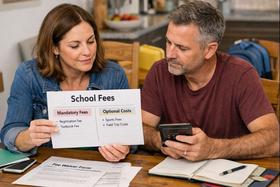
For many families, public education is synonymous with “free schooling.” However, the reality of public school fees & optional costs can be more complex. Across the United States in 2026, school districts continue to grapple with budgeting constraints, diverse local policies, and evolving educational expectations. For parents and caregivers, distinguishing between mandatory fees and optional costs is critical for effective financial planning and ensuring equitable access for all students.

This article provides an authoritative, parent-friendly guide to understanding public school fees & optional costs, what’s required versus what’s optional, and how to prepare financially without sacrificing educational opportunities.

Why Fees Exist in Public Schools

Public schools receive funding primarily through federal, state, and local taxes. Despite this base funding, many districts face budget pressures that lead them to charge fees for specific services and activities. These fees often help cover:

  • Materials and supplies

  • Transportation beyond standard routes

  • Extracurricular programs

  • Facility usage and maintenance

  • Specialized instructional programs

Understanding where these costs come from is the first step in discerning what families can expect to pay.

Core Differences: Mandatory Fees vs. Optional Costs

To make sense of school-related charges, it helps to categorize them:

Mandatory Fees
Charges that students must pay to participate in

. . .read more

Public School Schedule Options Explained for Families

Updated
|
Public School Schedule Options Explained for Families
Learn how public school schedule options like year-round calendars, block scheduling, and later start times affect students and families in 2026.

Public School Schedule Options: Year-Round, Block Scheduling, Later Start Times — What’s Best for Your Family?

Public school schedule options play an increasingly important role in how students learn, how families plan their days, and how districts respond to academic and social needs. In 2026, school systems across the United States continue to experiment with public school schedule options designed to improve learning outcomes, student wellness, and operational efficiency.

For parents comparing districts or considering enrollment alternatives, understanding public school schedule options is essential. This guide explains three of the most common public school schedule options used today: year-round schooling, block scheduling, and later school start times. Each option affects academics, child development, and family life in different ways.

Why Public School Schedule Options Matter

Public school schedule options influence far more than bell times. Research shows that scheduling affects student attention, sleep, academic performance, teacher collaboration, and even transportation costs. According to the National Center for Education Statistics, U.S. public schools serve more than 49 million students, making scheduling decisions a nationwide concern with wide-reaching implications.
https://nces.ed.gov/programs/coe/

As districts adapt to post-pandemic learning gaps and workforce challenges, public school schedule options are increasingly viewed as tools for improvement rather than fixed traditions.

Year-Round Schooling as a Public School Schedule Option

Year-round schooling is one of the most debated public school schedule options. Despite its name, year-round schooling does not usually increase the total number of instructional days. Instead,

. . .read more

Recent Articles

Zero Tolerance Policies in Public Schools Today
An updated look at zero tolerance policies in public schools, including current trends, costs, legal concerns, and what parents need to know now.
The Pros and Cons of Tracking in Schools Today
Explore the advantages and drawbacks of academic tracking in today’s public schools, including equity, outcomes, and what parents should consider.
Budgeting Hidden Costs of Public Schooling in 2026
Learn how families budget for school lunch, after-school care, and activities, the hidden costs of public schooling in 2026.

About Public Schools

OVERVIEW OF PUBLIC SCHOOLS
A comprehensive look at the U.S. public school system, including history, governing bodies, funding, and services. Compare private, public and charter schools. Learn more about Magnet school programs and get tips on choosing the right school for your child.
TYPES OF PUBLIC SCHOOLS
Explore the different types of public schools, from charter to language immersion, and learn about the unique pros and cons of each type. Is a co-ed or single sex classroom best for your child? Charter school or magnet? Read expert advice and get valuable tips on the various public education programs available and how to choose what works best for your family.
TECHNOLOGY ON CAMPUS
From eBooks to web cams, technology on campus continues to grow. Learn how the latest technology impacts your child’s education. Get tips on the best ways to integrate technology into education and stay abreast of the latest developments and challenges facing schools.
HEALTH AND NUTRITION AT SCHOOL
From vending machines to Jamie Oliver, bed bugs to tuberculosis, we provide an in-depth look at health and wellness in public schools. Help your kids stay healthy on campus and learn about current health epidemics, vaccination requirements, physical fitness programs and the latest food initiatives.
BACK TO SCHOOL
Learn more about preparing your child and wallet for a new school year. Inside you’ll find valuable advice to help your family prepare for the transition from swimsuits to school. While there is no tuition, public school education does not come without costs. Learn more about budgeting for a new school year and get great money saving tips.
STUDENT POPULATIONS
The latest trends, laws and resources for a variety of student populations. Every child has different needs, and this section offers helpful information for LGBT, special education, gifted, low-income, and minority students.