About Public Schools

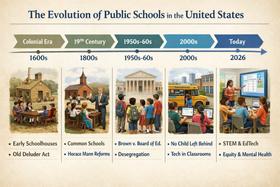
Here we cover the history of public schools, explain the various types and discuss their pros/cons. Learn more about technology on campus, health and nutrition issues, and the latest information related to a variety of student populations.

View the most popular articles in About Public Schools:

Can Sugar-Free Schools Improve Student Development And Grades?

Updated
|
Can Sugar-Free Schools Improve Student Development And Grades?
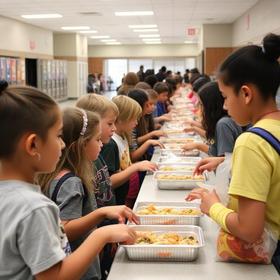
Learn about how sugar-free public schools enjoy improved student behavior, higher test scores, and healthier students.

While Americans are generally aware that a diet high in sugar can lead to diabetes and obesity, did you know that it can also negatively impact your child’s development? Some studies have found that children with high-sugar diets are more likely to engage in conflicts, have behavioral issues at school, and perform relatively poorly on standardized tests.

If these theories are true, then a diet free of sugar may be ideal for children, especially as students move through their formative years in public schools. Subsequently, some public school leaders have banned overly-sweetened foods for their students on campus. Remarkably, many of these “sugar-free” schools have reported significant changes and positive benefits!

In this video, Sarah Krieger reviews easy healthy school lunch ideas to include snack ideas for schools that have Nut and Sugar restrictions in place.

The Trend of Sugar-Free Schools

While many public schools have recently begun experimenting with sugar-free campuses, one particular elementary school in Georgia has enforced a no-sugar policy for nearly a decade. As CNN reports, Browns Mill Elementary School in Lithonia implemented a no-sugar policy for its K-5 students in the late 1990s. The elementary school prohibits bake sales, sodas, sweet snacks, and other unhealthy sugar-filled treats on campus.

In place of these options, students attending Browns Mill Elementary opt for healthier foods and beverages, such as low-fat milk, vegetables, and sandwiches served on

. . .read more

Can the State Force Homeschooled Kids into Public School Classrooms?

Updated
|
Can the State Force Homeschooled Kids into Public School Classrooms?
Learn about recent legal rulings that are forcing homeschooled children into public classrooms, as well as the controversy surrounding these cases.

Could homeschooling no longer be an option that parents and students have? Based upon recent legal rulings, children can be mandated into public school classrooms, with parents stripped of their right to administer homeschooling. For example, in North Carolina, a judge recently demanded that one mother’s home-schooled children be removed from her “at home classroom” in order to engage in more “challenging” curriculum provided by publically funded schools. What does this hold for the future of homeschooling?

The Verdict on Home School Rights

As World Net Daily reveals, a North Carolina judge has demanded that one family’s children be placed in public schools after debating whether or not the children were receiving adequate lessons and assessments at home. The mother, in this case, Vanessa Mills, argues that she initially pulled her children from the public school environment because she felt that her kids were not being sufficiently challenged. As such, for the past four years, Vanessa Mills has been taking charge of her children’s educational development through at-home lessons and instruction. While most parents can capably educate their children at home, the Mills case is rare and complex, as the children’s father brought the issue to trial, arguing that the efforts were not up to par.

According to the father’s lawyer, speaking on his client’s behalf, homeschooling has not provided his children with adequate socialization that can be achieved from the public school

. . .read more

How Well is Your School Prepared to Handle the H1N1?

Updated
|
How Well is Your School Prepared to Handle the H1N1?
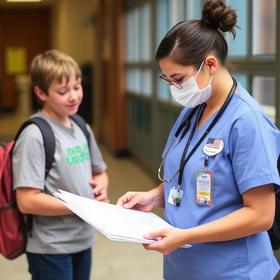
The start of the school year translates into greater risks for the spread of H1N1. Learn about how public schools across the country are combating the risks, as well as what you can do to keep your children safe.

As students return to school after summer, the risk of H1N1 grows stronger. Students confined to close quarters are at greater risk of contracting any type of illness, and this year, the flu is much more serious. To combat the risks of shared seating, enclosed classrooms, and close student contact, public schools are actively creating plans to prevent the spread of H1N1 before the school year begins.

Attempting to Prevent the Spread of H1N1 in Public Schools

As Voice of America News reveals, public schools across the country are preparing for the potentially pandemic spread of H1N1 among their elementary, middle, and high school students. In fact, "Health experts say the illness poses a special risk to schools, which are set to re-open at the start of the flu season."

In an attempt to prevent the spread of this serious virus, some public school leaders are requiring that students receive mandatory vaccinations. While nearly all public schools require kids to have vaccinations for illnesses such as polio and the measles, some leaders believe that students should be vaccinated for H1N1 when the treatment becomes available. Based upon current vaccine testing, students should be able to gain access to the vaccination by October of 2009.

The US Center for Disease Controls (CDC) warns parents and school leaders that the H1N1 could "come back strong this year and trigger a severe flu season," and subsequently, the CDC "is recommending vaccines for several

. . .read more

How Your Child Can Benefit from New Public School Laptop Programs

Updated
|
How Your Child Can Benefit from New Public School Laptop Programs
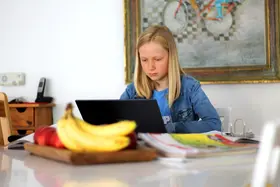
Learn about new laptop programs being instituted in public schools around the country, as well as how your child's education can benefit from the increased access to technology.

Today's children must be prepared for tomorrow's demands. Considering technology's paramount role in nearly every career and industry, developing technological fluency is important for every child.

Understanding the relationship between technology and education, public schools have begun to incorporate innovative laptop programs to help improve student learning and performance. According to ERIC Digest, laptop programs have been part of organized education practices since 1988; however, these laptop opportunities have only recently gained national popularity in the past few years.

By incorporating laptops into public school classrooms, teachers can enhance the curriculum, providing students extensive research opportunities, access to up-to-date information, and many other learning benefits.

The Learning Benefits of Laptop Programs

As ERIC Digest further reveals, several leading computer companies have actively engaged in research to evaluate the benefits of laptops in public schools. In examining the perks, researchers and instructors report educational advantages, such as:

  • Textbooks are expensive and often outdated, but students can engage in up-to-date research through the internet with laptops.
  • Students can reinforce their lessons through their laptop's technological tools, including study games, class-specific discussion blogs, and other digital resources.
  • Students can edit and correct their writing with greater ease, as the laptops provide students with instant dictionaries, spell-checking tools, and thesaurus resources.
  • Students can become versed in technological tools, which will help provide students with greater preparation for their technology-based careers in the future.
  • Students from different financial backgrounds can have
. . .read more

Does Your Child Have a Written Expression Disability? Dysgraphia Symptoms and Public School Solutions

Updated
|
Does Your Child Have a Written Expression Disability? Dysgraphia Symptoms and Public School Solutions
Learn about the symptoms of dysgraphia, a written disability that impacts otherwise intelligent students, as well as the means of support available through public schools.

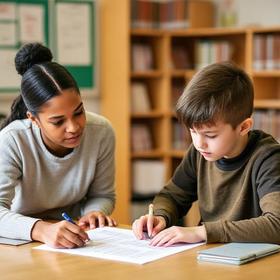
Dysgraphia is a specific learning disability that affects writing skills. It is characterized by difficulties in expressing thoughts on paper, leading to poor handwriting, spelling, and overall written expression. Individuals with dysgraphia often face challenges in educational settings, where writing is a crucial mode of communication and assessment. In this article, we will delve into what dysgraphia is, its symptoms and explore effective remediation and treatment strategies.

What is Dysgraphia?
Dysgraphia is a neurological-based learning disability that affects the motor and cognitive processes involved in writing. It is not related to intelligence or lack of effort; rather, it stems from differences in brain function that impact fine motor skills, spatial reasoning, and language processing. Dysgraphia can manifest in both children and adults, leading to frustration, low self-esteem, and academic struggles if left unidentified and unaddressed.

Symptoms of Dysgraphia

Illegible Handwriting: Individuals with dysgraphia often have messy and illegible handwriting, making it difficult for others to read their work.

Poor Spelling and Grammar: Dysgraphia can lead to frequent spelling errors and challenges with grammar and punctuation.

Inconsistent Letter Formation: People with dysgraphia may struggle to form letters consistently and mix uppercase and lowercase letters.

Slow Writing Speed: Writing can be time-consuming for individuals with dysgraphia due to motor coordination difficulties.

Trouble Organizing Thoughts: Dysgraphia can make it challenging to organize thoughts and ideas into coherent written sentences or paragraphs.

Avoidance of Writing Tasks: Those with dysgraphia may try to avoid writing tasks or experience anxiety when faced with writing assignments.

. . .read more

Recent Articles

Zero Tolerance Policies in Public Schools Today
An updated look at zero tolerance policies in public schools, including current trends, costs, legal concerns, and what parents need to know now.
The Pros and Cons of Tracking in Schools Today
Explore the advantages and drawbacks of academic tracking in today’s public schools, including equity, outcomes, and what parents should consider.
Budgeting Hidden Costs of Public Schooling in 2026
Learn how families budget for school lunch, after-school care, and activities, the hidden costs of public schooling in 2026.

About Public Schools

OVERVIEW OF PUBLIC SCHOOLS
A comprehensive look at the U.S. public school system, including history, governing bodies, funding, and services. Compare private, public and charter schools. Learn more about Magnet school programs and get tips on choosing the right school for your child.
TYPES OF PUBLIC SCHOOLS
Explore the different types of public schools, from charter to language immersion, and learn about the unique pros and cons of each type. Is a co-ed or single sex classroom best for your child? Charter school or magnet? Read expert advice and get valuable tips on the various public education programs available and how to choose what works best for your family.
TECHNOLOGY ON CAMPUS
From eBooks to web cams, technology on campus continues to grow. Learn how the latest technology impacts your child’s education. Get tips on the best ways to integrate technology into education and stay abreast of the latest developments and challenges facing schools.
HEALTH AND NUTRITION AT SCHOOL
From vending machines to Jamie Oliver, bed bugs to tuberculosis, we provide an in-depth look at health and wellness in public schools. Help your kids stay healthy on campus and learn about current health epidemics, vaccination requirements, physical fitness programs and the latest food initiatives.
BACK TO SCHOOL
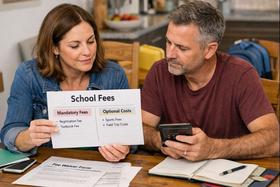
Learn more about preparing your child and wallet for a new school year. Inside you’ll find valuable advice to help your family prepare for the transition from swimsuits to school. While there is no tuition, public school education does not come without costs. Learn more about budgeting for a new school year and get great money saving tips.

STUDENT POPULATIONS
The latest trends, laws and resources for a variety of student populations. Every child has different needs, and this section offers helpful information for LGBT, special education, gifted, low-income, and minority students.