Evaluating Public Schools

This section provides tools to aid in finding the best public school option for your child. Compare private and public schools, explore school zoning issues, and delve into the public school grading and ranking system. Find information on the safest schools and what they are doing right.

View the most popular articles in Evaluating Public Schools:

How to Spot a School Climate Problem Before Enrolling

Updated
|
How to Spot a School Climate Problem Before Enrolling
Learn how to identify school climate problems before enrolling in a public school, including warning signs, key questions, and reliable data sources.

Choosing a public school involves much more than comparing test scores or graduation rates. While academic performance is important, it doesn't always reflect what students experience each day. A school's climate, the overall quality of its learning environment, relationships, and sense of safety, plays a major role in a child's academic success and emotional well-being.

Students who feel welcomed, respected, and supported are more likely to attend school regularly, participate in class, and build positive relationships with teachers and classmates. Conversely, schools with ongoing discipline problems, poor communication, or weak student engagement can make learning more difficult, regardless of their academic reputation.

The good news is that parents can often identify potential school climate issues before enrollment. By combining campus visits with public data, conversations with current families, and careful observation, you can gain a much clearer picture of what daily life is actually like inside a school.

What Is School Climate?

School climate refers to the overall character of a school. It encompasses everything from student behavior and teacher relationships to safety, communication, inclusiveness, and the way problems are handled. Although these qualities can be difficult to measure, they often have a lasting impact on a student's educational experience.

According to the National Center for Education Statistics (NCES), positive school climates are associated with stronger academic achievement, higher attendance rates, and fewer disciplinary issues. Schools that prioritize student well-being often create environments where children are more willing to participate, collaborate, and challenge themselves academically. Parents interested in

. . .read more

Should You Move for a Better Public School or Stay Put?

Updated
|
Should You Move for a Better Public School or Stay Put?
Considering a move to a higher-rated public school? Learn how to weigh school quality, housing costs, and family priorities before relocating.

For many parents, few decisions feel as consequential as choosing the right school for their children. In communities across the country, families often face a difficult question: Should we move to access a higher-rated public school, or can our child thrive where we are?

The answer is rarely straightforward. School ratings, district rankings, and test scores can make one community appear dramatically better than another. Yet moving comes with high financial, emotional, and lifestyle costs that can affect a family just as much as a school's academic reputation.

As housing prices continue to rise in many sought-after school districts, parents are increasingly weighing whether a move is truly necessary or whether staying put may offer comparable benefits. The decision requires looking beyond rankings and considering the broader picture of what helps children succeed both in school and in life.

Why Families Consider Moving

School quality has long been one of the biggest drivers of residential decisions in the United States. Homes located in highly rated school districts often command premium prices because families are willing to pay more for access to schools with strong reputations.

The appeal is understandable. Schools with impressive academic records may offer advanced coursework, experienced teachers, robust extracurricular programs, and strong graduation rates. Many parents view these opportunities as investments in their children's futures.

However, a school's reputation does not automatically mean it is the best fit for every student. As discussed in Public School Review's article on Public School Rankings: Are They

. . .read more

How to Compare Public School Value Beyond Test Scores

Updated
|
How to Compare Public School Value Beyond Test Scores
Learn how to evaluate public school value using student support, school climate, opportunities, and outcomes, not just standardized test scores.

For many families, the search for a public school begins with a simple question: Which school has the highest test scores?

Standardized test results are often the most visible measure of school performance. School rating websites, district report cards, and state accountability systems frequently place academic proficiency front and center, making it easy to assume that schools with higher scores automatically provide a better education.

The reality is far more complex. While test scores can offer useful information about academic performance, they provide only a narrow snapshot of what students experience in a school. Factors such as student growth, teacher quality, school culture, extracurricular opportunities, and post-graduation outcomes often paint a more complete picture of a school's overall value.

As discussed in Public School Review's article on public school rankings, rankings and test score data should be viewed as one piece of a much larger evaluation process. Families who take a broader approach are often better positioned to find schools that align with their children's academic needs, interests, and learning styles.

Why Test Scores Tell Only Part of the Story

Standardized tests are designed to measure student performance in specific academic subjects, typically mathematics, reading, and science. While these assessments can identify areas of strength and weakness, they cannot capture everything that contributes to a successful educational experience.

Student performance on standardized tests is influenced by numerous factors beyond classroom instruction. Household income, access to tutoring, parental education levels, language proficiency, and community resources can all affect

. . .read more

Understanding School Safety Policies in 2026

Updated
|
Understanding School Safety Policies in 2026
Learn how school safety policies are evolving in 2026, including mental health support, AI monitoring, emergency planning, and parent rights.

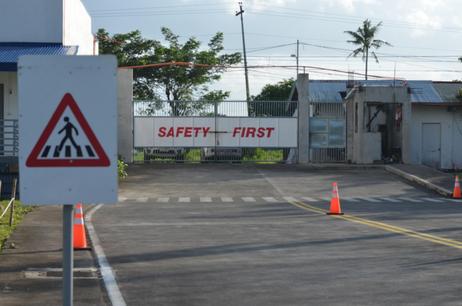
School safety policies in 2026 look very different from the security plans many districts relied on just a few years ago. Today’s public schools are balancing physical security, mental health support, digital monitoring, emergency preparedness, and student privacy concerns, all while trying to maintain welcoming learning environments.

For parents, educators, and students, understanding school safety policies is increasingly important. Safety plans now extend beyond locked doors and emergency drills. Districts are investing in anonymous reporting systems, behavioral threat assessment teams, cybersecurity protections, and expanded mental health services.

At the same time, schools face growing scrutiny over how much surveillance is appropriate, how student data is handled, and whether safety measures are actually improving outcomes.

This guide explains how school safety policies are changing in 2026, what families should expect from their local schools, and which trends are shaping the future of campus safety.

What Are School Safety Policies?

School safety policies are the procedures, systems, and rules designed to protect students, teachers, staff, and visitors from harm. These policies typically cover:

  • Emergency response procedures
  • Campus access controls
  • Bullying prevention
  • Mental health intervention
  • Threat assessment protocols
  • Digital and cybersecurity protections
  • Communication systems for families
  • Crisis recovery plans

Most districts now approach school safety using a layered model. Instead of relying on a single security solution, schools combine prevention, intervention, and emergency response strategies.

According to the National Center for Education Statistics, nearly all U.S. public schools now control building access during school hours and require visitor check-ins with identification badges. Security camera use has also expanded

. . .read more

Public vs Charter vs Magnet School: Which Is Best?

Updated
|
Public vs Charter vs Magnet School: Which Is Best?
Compare public, charter, and magnet schools in 2026. Learn key differences, benefits, and how to choose the best option for your child.

Choosing the right school is one of the most important decisions families make. When comparing public vs charter vs magnet school options, parents often find that each model offers distinct advantages, trade-offs, and learning environments.

In 2026, the landscape of public education continues to evolve, with expanded school choice, specialized programs, and increased accountability. Understanding how these three school types differ can help families make a confident, informed decision.

Understanding the Basics

Before diving into comparisons, it is helpful to define each type of school.

Traditional Public Schools

Traditional public schools are funded and operated by local school districts. They serve students based on geographic boundaries and must follow state curriculum standards.

Charter Schools

Charter schools are publicly funded but independently operated. They are granted more flexibility in curriculum, staffing, and teaching methods in exchange for meeting performance goals.

Magnet Schools

Magnet schools are public schools with specialized themes or curricula, such as STEM, performing arts, or international studies. They often attract students from across district lines.

Key Differences at a Glance

FeaturePublic SchoolsCharter SchoolsMagnet Schools
FundingPublicPublicPublic
GovernanceDistrict-runIndependentDistrict-run
AdmissionZoning-basedLottery (if oversubscribed)Application or lottery
CurriculumStandardizedFlexibleSpecialized focus
TransportationUsually providedVariesSometimes limited

Academic Approach and Curriculum

Public Schools: Standardized and Broad

Public schools follow state-approved curricula designed to serve a wide range of learners. This consistency ensures alignment with statewide standards and assessments.

According to the National Center for Education Statistics, over 85% of U.S. students attend traditional public schools, reflecting their central role in education nces.ed.gov.

Charter Schools: Flexible and Innovative

Charter schools often

. . .read more

Recent Articles

How to Evaluate School Safety Beyond Headlines
Learn how to evaluate school safety beyond headlines by examining reliable data, school climate, emergency planning, bullying prevention, communication, student experiences, and everyday security practices before choosing a school.
Choosing a Public School for Executive Function Needs
Learn how to choose a public school for a child with executive function challenges by evaluating routines, classroom support, organization, accommodations, communication, transitions, and special education services before enrollment.
What School Climate Surveys Tell You Before Enrolling
Learn how school climate surveys reveal student safety, belonging, relationships, engagement, and support, and how families can interpret results carefully before choosing a public school for their child today.

Evaluating Public Schools

SCHOOL ZONING
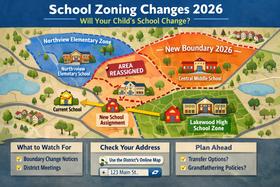
Learn more about zoning rules, how they impact schools and your child. This section offers information on the history of school zones, what they are, and how they work. Get information on who decides school boundaries and the impact those decisions have on the community.
GETTING STARTED
An overview of school designations, best practices for evaluating your options, and tips on choosing the best school for your child. Learn about Blue Ribbon, Vocational and Special Education schools. Get tips on finding the right school in a new neighborhood, city or state.
GRADING AND RANKING SCHOOLS
Explore the public school grading/ranking system, how it works and what it means. Get latest national rankings and read what critics of school grading have to say. Take a look at the nation’s top performing schools as ranked by U.S. News and Newsweek.
PUBLIC SCHOOL SAFETY
A comprehensive look at the safety of US public schools. Learn what schools are doing to combat gangs and drugs, prepare for natural disasters, and protect your children from predators. From web cameras to armed guards, see what tools public schools are employing to keep kids safe.
PUBLIC VS. PRIVATE SCHOOLS
A comparison of public and private schools, the pros and cons of each, and a look at the cost of getting a stellar education at both. Take a look at some of the most expensive schools, notable public school alumni, and learn more about “private” public schools.