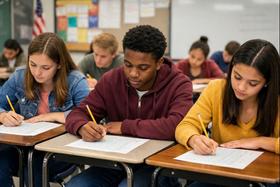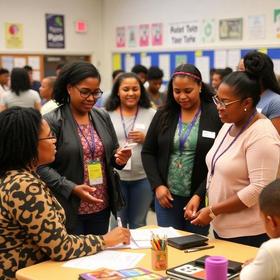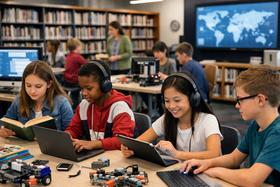
Cooperative learning is a successful teaching strategy in which small teams, each with students of different levels of ability, use a variety of learning activities to improve their understanding of a subject. Each member of a team is responsible not only for learning what is taught but also for helping teammates learn, thus creating an atmosphere of achievement. Students work through the assignment until all group members successfully understand and complete it.
As public schools continue emphasizing collaboration, communication, and problem-solving skills in 2026, cooperative learning remains one of the most effective instructional strategies for preparing students for both academic success and future careers. Research from the Institute of Education Sciences continues to support instructional practices that actively engage students in learning through discussion, teamwork, and shared responsibility.
Cooperative efforts result in participants striving for mutual benefit so that all group members:
- Gain from each other's efforts.
- Recognize that all group members share a common fate.
- Know that one's performance is influenced by both individual effort and the contributions of teammates.
- Feel proud and jointly celebrate when a group member is recognized for achievement.
This video illustrates the team model of learning.
Why Use Cooperative Learning?
Research has consistently shown that cooperative learning techniques:
- Promote student learning and academic achievement.
- Increase student retention.
- Enhance student satisfaction with the learning experience.
- Help students develop oral communication skills.
- Develop students' social and interpersonal skills.
- Promote student self-esteem.
- Encourage positive relationships among students from diverse backgrounds.